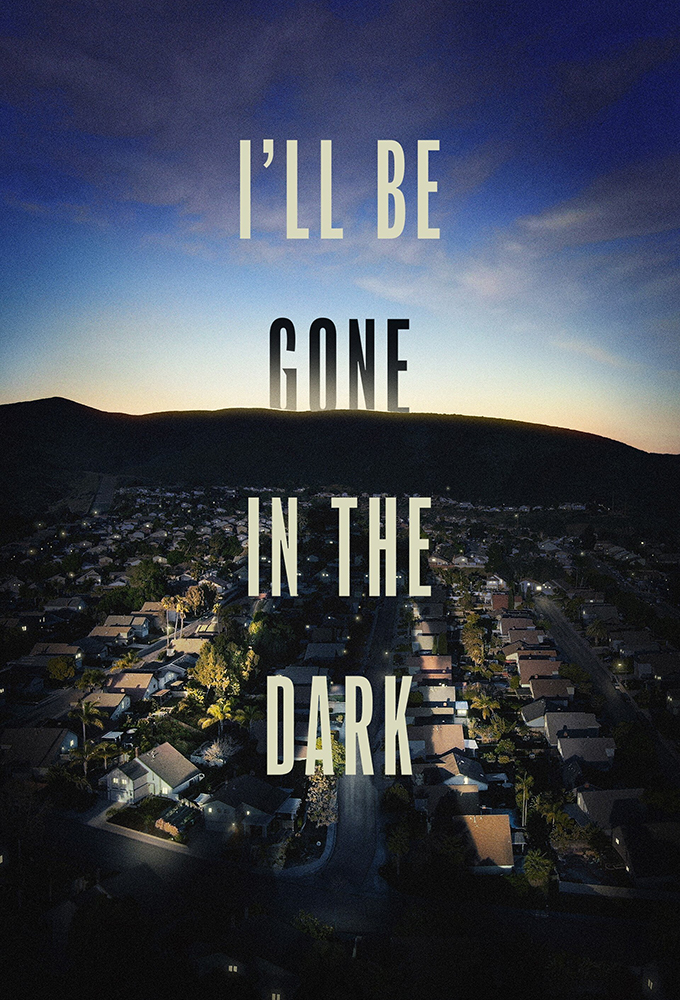

Why Watch
"Experience the haunting, relentless investigation that unmasked the Golden State Killer through one writer's consuming obsession."







AI Critic Analysis
Series Deep Dive:
Director Liz Garbus crafts an extraordinary adaptation of Michelle McNamara's bestselling investigation into the Golden State Killer. I'll Be Gone in the Dark transcends conventional true crime by balancing the terrifying pursuit of a violent predator with McNamara's own tragic, driven life. Through wrenching survivor testimony and archival research, this completed HBO docuseries provides an unsparing study of trauma, persistence, and the harrowing human cost of seeking justice.
Season: 1
| Watched? | # | Air Date | Episode Name |
|---|---|---|---|
| E1 | Jun 28, 2020 | Murder Habit | |
| E2 | Jul 05, 2020 | Reign of Terror | |
| E3 | Jul 12, 2020 | Rat in a Maze | |
| E4 | Jul 19, 2020 | The Motherlode | |
| E5 | Jul 26, 2020 | Monsters Recede but Never Vanish | |
| E6 | Aug 02, 2020 | Walk Into the Light | |
| E7 | Jun 21, 2021 | Show Us Your Face |
Production Note - Limited Series
Production Type: Documentary Series
I'll Be Gone in the Dark is a standalone Documentary Series designed as a completed, finite historical narrative. This HBO production meticulously chronicles the investigative journey of true crime author Michelle McNamara as she pursued the identity of the Golden State Killer. The series was constructed as a closed-ended exploration of both the cold case and McNamara's personal obsession, ensuring that the narrative arc concluded once the legal proceedings and the author's legacy were fully documented. The production utilized extensive archival footage, police records, and private journals to build a comprehensive timeline that leaves no room for ongoing seasonal expansion.
The scale of the project was inherently limited by the specific timeline of the crimes and the subsequent apprehension of Joseph James DeAngelo. While the series did release a special follow-up episode to address the final sentencing and closure for the survivors, this addition served as a definitive epilogue rather than a pivot toward a multi-season format. By focusing on a singular, high-profile criminal investigation and its emotional impact on the victims and the author, the creators ensured the production remained a self-contained historical record. Its conclusion marks the total exhaustion of the primary source material and the resolution of the central mystery.
If you liked I'll Be Gone in the Dark:


Technical Details
- Network: HBO
- Seasons: 1
- Years: 2020 - 2021
- Genre: Crime, Documentary, Mini-Series, Mystery