
Why Watch
"Celebrate classic B-movie horror hosted by the queen of camp, delivering razor-sharp wit and legendary gothic glamour."


AI Critic Analysis
Series Deep Dive:
As the quintessential horror host, Cassandra Peterson transformed late-night television into an art form with Elvira's Movie Macabre. Balancing subversive parody with genuine affection for vintage shock cinema, the broadcast elevated low-budget oddities through brilliant comedic commentary. In its final run, the series solidified its status as an enduring cult phenomenon, championing forgotten genre cinema with unbeatable charisma, wicked puns, and timeless midnight-movie charm.
Season: 8
| Watched? | # | Air Date | Episode Name |
|---|---|---|---|
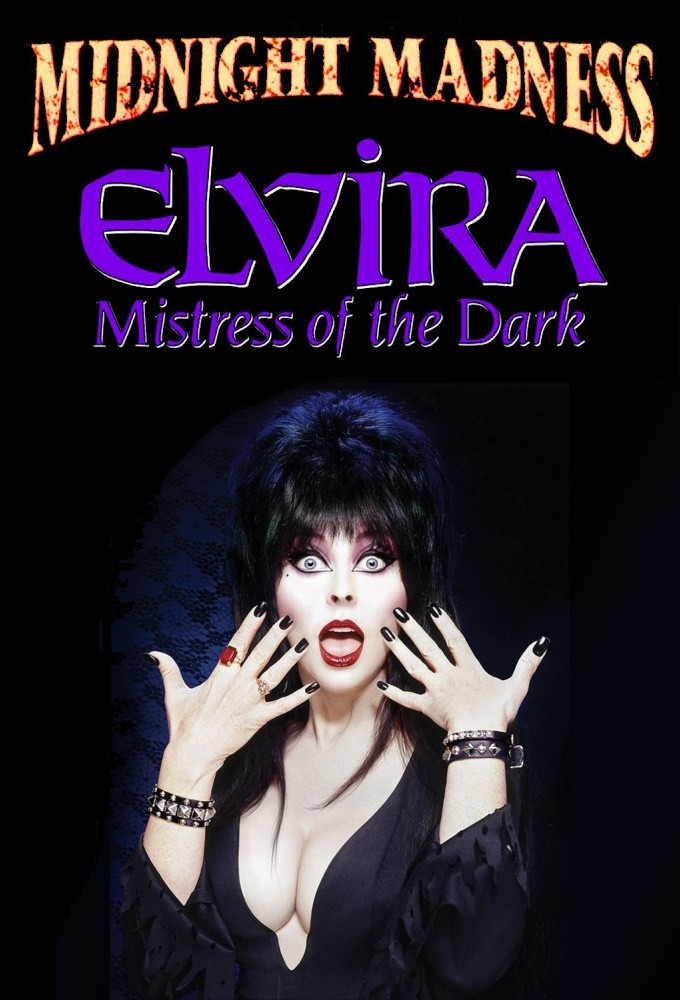
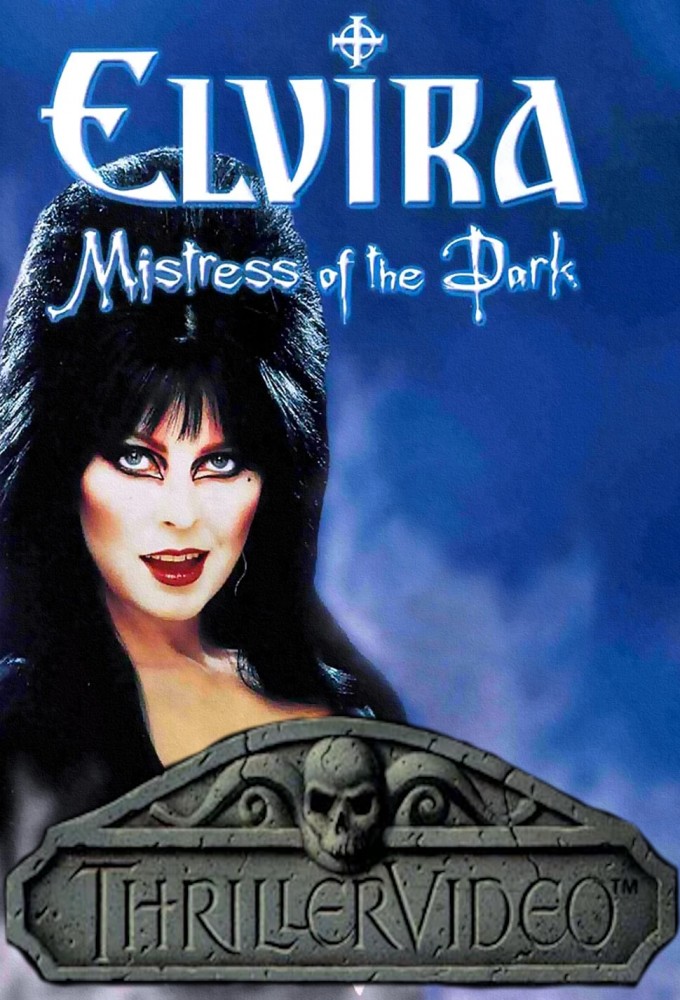
| E1 | Sep 05, 2021 | Elvira: Mistress of The Dark | |
| E2 | Sep 05, 2021 | House on Haunted Hill | |
| E3 | Sep 05, 2021 | City of the Dead | |
| E4 | Sep 05, 2021 | Messiah of Evil |
Series Legacy & Historical Archive
Franchise Status: The franchise continues through sporadic streaming revivals and anniversary specials, maintaining a strong presence in the digital distribution market.
Elvira's Movie Macabre remains a definitive pillar of Horror television, having concluded its influential run on KHJ-TV. Cassandra Peterson's creation of the Mistress of the Dark revolutionized the horror host archetype by blending campy humor with a gothic aesthetic that appealed to a broad demographic. The show successfully bridged the gap between serious cinephilia and lighthearted satire, making low-budget B-movies accessible and entertaining through witty commentary and iconic double entendres.
Today, the series is a rewatch staple because it captures a specific era of late-night television that prioritized personality-driven curation over polished production. Its cultural DNA is visible in modern digital content creators who use similar meta-commentary formats to engage with niche genres. By turning the viewing experience into a social event, the program solidified its place in pop culture history as a foundational text for both the horror community and the evolution of the television host persona.
If you liked Elvira's Movie Macabre:




Technical Details
- Network: Unknown
- Seasons: 8
- Years: 1981 - 2021
- Genre: Comedy, Horror