

Why Watch
"When humanity glimpses its future for two chaotic minutes, global paranoia collides with unavoidable destiny in this gripping sci-fi thriller."







AI Critic Analysis
Series Deep Dive:
A sudden global blackout leaves the entire planet unconscious, granting everyone a terrifying two-minute vision of their lives six months ahead. FlashForward delivers high-concept network ambition, using an intricate FBI investigation led by Joseph Fiennes to question free will versus deterministic fate. Though ABC cut short its run after a single season, the series remains an intriguing artifact of post-Lost serialized television that still demands attention.
Season: 1
| Watched? | # | Air Date | Episode Name |
|---|---|---|---|
| E1 | Sep 24, 2009 | No More Good Days | |
| E2 | Oct 01, 2009 | White to Play | |
| E3 | Oct 08, 2009 | 137 Sekunden | |
| E4 | Oct 15, 2009 | Black Swan | |
| E5 | Oct 22, 2009 | Gimme Some Truth | |
| E6 | Oct 29, 2009 | Scary Monsters and Super Creeps | |
| E7 | Nov 05, 2009 | The Gift | |
| E8 | Nov 12, 2009 | Playing Cards with Coyote | |
| E9 | Nov 19, 2009 | Believe | |
| E10 | Dec 03, 2009 | A561984 | |
| E11 | Mar 18, 2010 | Revelation Zero (1) | |
| E12 | Mar 18, 2010 | Revelation Zero (2) | |
| E13 | Mar 25, 2010 | Blowback | |
| E14 | Apr 01, 2010 | Better Angels | |
| E15 | Apr 08, 2010 | Queen Sacrifice | |
| E16 | Apr 15, 2010 | Let No Man Put Asunder | |
| E17 | Apr 22, 2010 | The Garden of Forking Paths | |
| E18 | Apr 29, 2010 | Goodbye Yellow Brick Road | |
| E19 | May 06, 2010 | Course Correction | |
| E20 | May 13, 2010 | The Negotiation | |
| E21 | May 20, 2010 | Countdown | |
| E22 | May 27, 2010 | Future Shock |
Series Legacy & Historical Archive
Franchise Status: Cancelled; remains a standalone single-season property with no active revival development.
FlashForward remains a definitive pillar of science fiction television, having concluded its influential run on ABC. The series carved out a unique space in the cultural zeitgeist by exploring a global high-concept premise where every human catches a glimpse of their future simultaneously. Its legacy is rooted in the sophisticated blending of procedural investigation with existential dread, forcing viewers to contemplate the interplay between predestination and free will. By grounding its massive scale in personal stakes, the show established a blueprint for the modern mystery-box drama that continues to influence how serialized narratives approach cliffhangers and ensemble-driven storytelling.
As a rewatch staple, the show thrives on its intricate web of foreshadowing and the tragic irony of its character arcs. Fans return to the series to dissect the Mosaic investigation and the subtle clues hidden within the flashforward visions that were never fully realized due to its untimely cancellation. This sense of unfinished business has elevated the show to cult status, where it serves as a fascinating time capsule of high-budget network ambition. Its enduring popularity stems from the universal question of what one would do with knowledge of the future, ensuring its place in the pantheon of speculative fiction that remains relevant long after its broadcast ended.
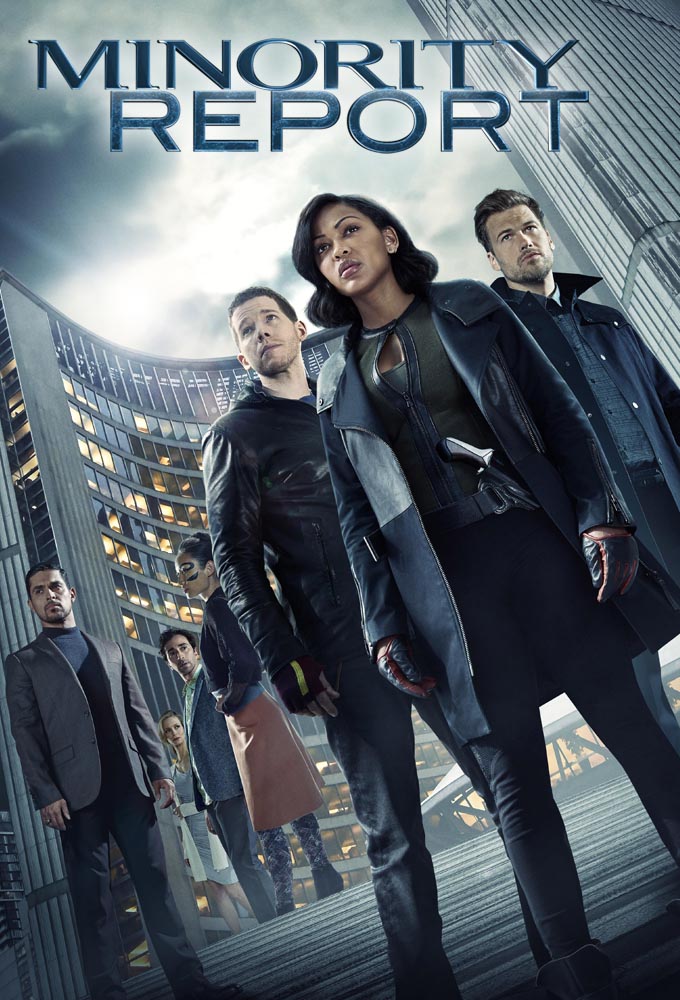
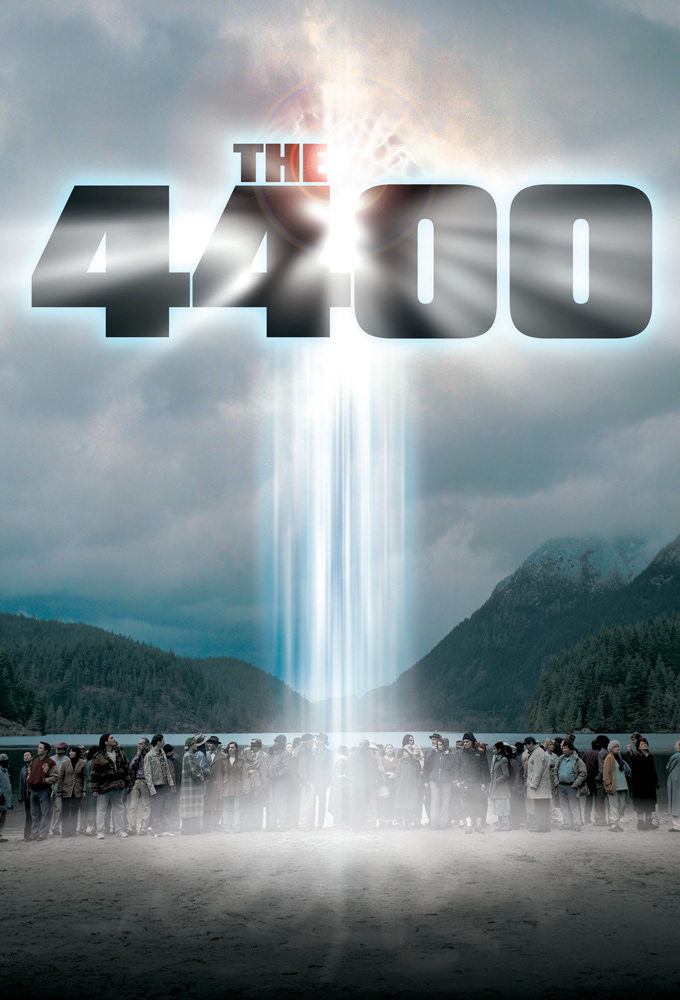
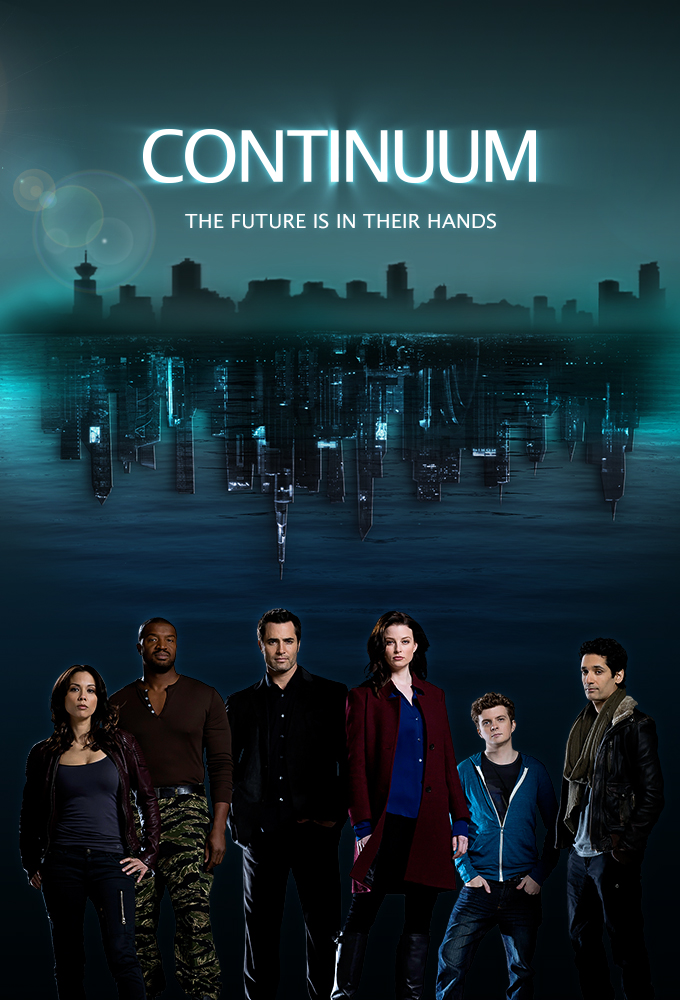
If you liked FlashForward:







Technical Details
- Network: ABC (US)
- Seasons: 1
- Years: 2009 - 2010
- Genre: Drama, Mystery, Science Fiction, Thriller
- Rating: TV-14