

Why Watch
"Rachel Nichols anchors this tight, high-stakes time-travel conflict confronting corporate authoritarianism, paradoxes, and the heavy price of shifting destiny."
Tone: Cerebral, Gritty Sci-Fi, Propulsive
Where to Watch















 Streaming details by:
JustWatch
Streaming details by:
JustWatch
AI Critic Analysis
Series Deep Dive:
In its final run, Continuum strips away procedural trappings to deliver a sharp, ideologically fractured climax. Kiera Cameron faces her ultimate temporal standoff against rival future factions while questioning her own loyalties. Showcase concludes the Canadian sci-fi powerhouse with a disciplined six-episode charge, offering a definitive resolution to its corporate dystopian timeline. Viewers navigating intricate time-travel mechanics will find a resolute ending that honors its central philosophical debates.
Analysis Refined:March 2026
Scheduled next refinement: in 449 days
Season: 4
| Watched? | # | Air Date | Episode Name |
|---|---|---|---|
| E1 | Sep 04, 2015 | Lost Hours | |
| E2 | Sep 11, 2015 | Rush Hour | |
| E3 | Sep 18, 2015 | Power Hour | |
| E4 | Sep 25, 2015 | Zero Hour | |
| E5 | Oct 02, 2015 | The Desperate Hours | |
| E6 | Oct 09, 2015 | Final Hour |
Series Legacy & Historical Archive
Franchise Status: Concluded Historical Archive
Continuum remains a definitive pillar of television, having concluded its influential run on Showcase. Rachel Nichols anchored the intelligent sci-fi drama with remarkable grit as Kiera Cameron, navigating fractured moral codes across a meticulously crafted temporal timeline. Its nuanced portrayal of corporate dystopia, revolutionary extremism, and technological ethics broke the boundaries of Canadian speculative television. Through complex paradoxical mechanics and razor-sharp pacing, Continuum cemented an enduring genre legacy that rewards scholarly re-examination to this day.
Oracle Insights Refined:March 2026
Scheduled next refinement: in 527 days
If you liked Continuum:


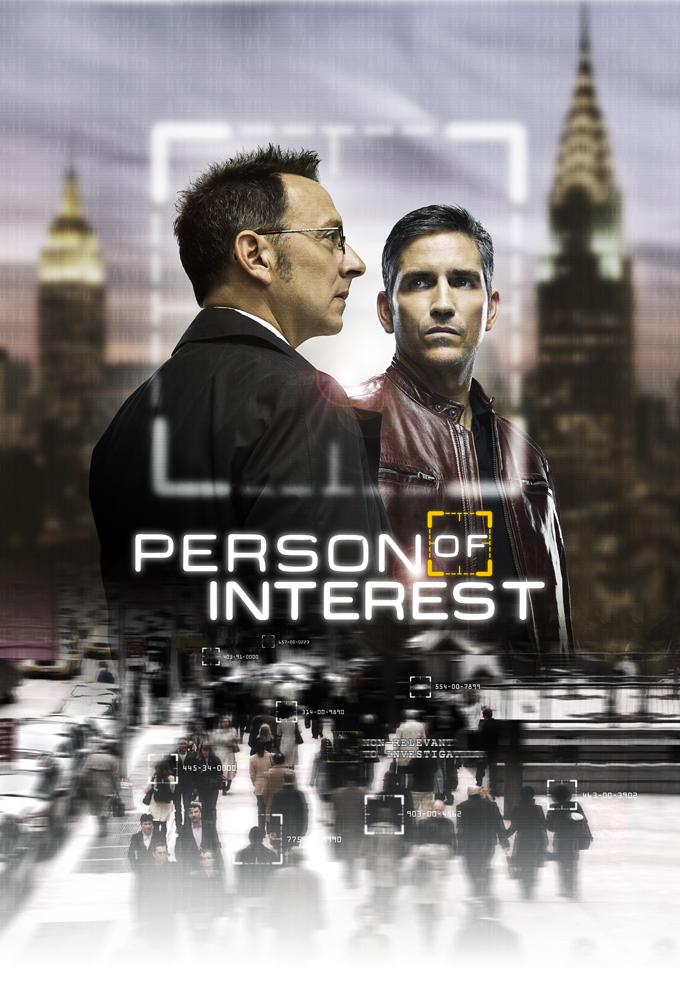


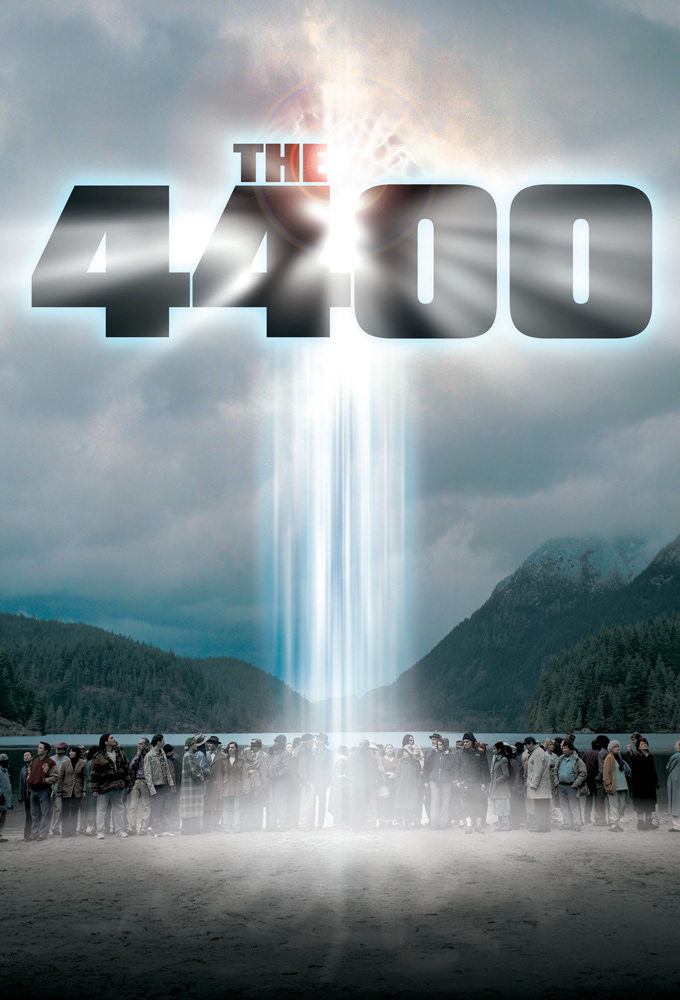

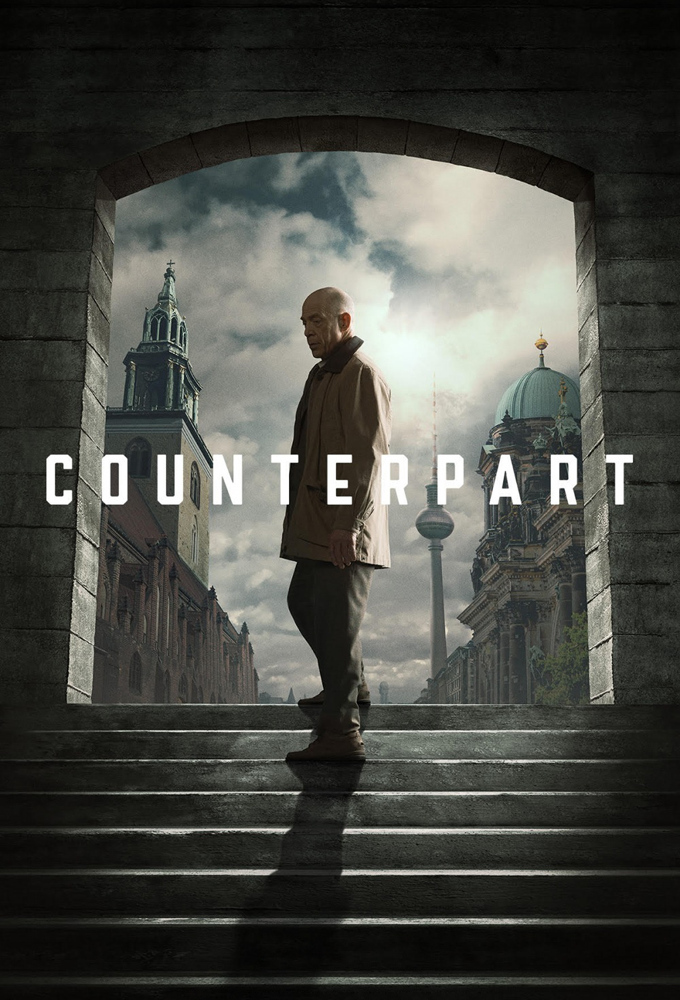
Technical Details
- Network: Showcase
- Seasons: 4
- Years: 2012 - 2015
- Genre: Action, Drama, Science Fiction, Thriller
- Rating: TV-14
Frequently Asked Questions
Continuum ran for a total of four seasons, airing between 2012 and 2015. While the first three seasons had longer episode counts, the final season was limited to six episodes to wrap up the story.
The series was not officially canceled in a traditional sense but was given a shortened final season to provide closure for the fans. While creator Simon Barry initially envisioned a seven-season arc, the network decided to conclude the series early due to production costs and shifting schedules.
There are currently no credible rumors or official announcements regarding a reboot or revival of the series. Although the creator has expressed interest in revisiting the world in the past, no active development is taking place at this time.
No, there are no live-action spin-offs or companion series set within the Continuum universe. The narrative remains strictly contained within the original four seasons of the television show.
Yes, because the showrunners were granted a final season to conclude the narrative, the series finale provides a resolution to Kiera Cameron's journey. The ending is widely considered definitive, addressing the primary time-travel conflicts established throughout the show.
Continuum was created by Simon Barry and was primarily filmed on location in Vancouver, British Columbia. The city serves as a central character in the show, representing both its present-day setting and its futuristic corporate-run landscape.
FAQ Refined:March 2026
Scheduled next refinement: in 191 days