
Why Watch
"Uncover hidden engineering marvels and clandestine military installations that altered the course of World War II history."
Where to Watch














 Streaming details by:
JustWatch
Streaming details by:
JustWatch
AI Critic Analysis
Series Deep Dive:
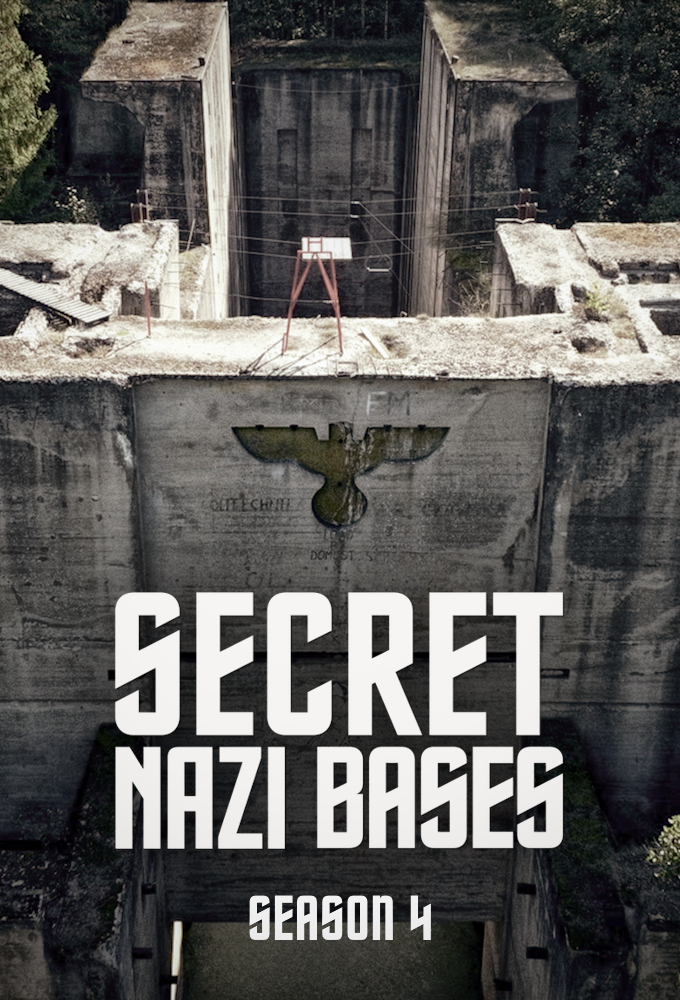
Blending field archaeology with archival research, Secret Nazi Bases examines the fortified installations and forgotten engineering projects scattered across Europe and beyond. In Season 4 on U&Yesterday, military historians decode the logistical scale behind these fortified complexes, demonstrating how subterranean bunkers and concealed laboratories supported Axis ambitions. The documentary format delivers meticulous technical analyses of these enduring ruins, shedding fresh perspective on modern warfare's industrial footprint.
Season: 4
| Watched? | # | Air Date | Episode Name |
|---|---|---|---|
| E1 | Jun 11, 2025 | A Secret Canal | |
| E2 | Jun 11, 2025 | Darkened Turrets | |
| E3 | Jun 18, 2025 | A Secret to Win the War | |
| E4 | Jun 18, 2025 | Vengeance Under the Dome | |
| E5 | Jun 25, 2025 | Island Battleship | |
| E6 | Jun 25, 2025 | Wolves in Wolves' Clothing |
Scheduling Insights - Seasonal Series
Release Window: Winter/Spring
Secret Nazi Bases has maintained a steady Annual rhythm for 5 years, typically returning in January. Since its debut in 2019, the series has functioned as a reliable winter fixture for networks like Yesterday and Science Channel. This consistency has turned the show into a seasonal staple for history enthusiasts who expect new investigative deep dives to arrive early in the calendar year without fail.
The production cycle has shown remarkable resilience, maintaining its yearly output even during global broadcasting shifts. Its broadcast trajectory follows a pattern of international distribution that prioritizes the first quarter for maximum viewership engagement. This predictable cadence suggests a highly efficient production pipeline that secures its place as a recurring cornerstone of documentary programming every January.
If you liked Secret Nazi Bases:



Technical Details
- Network: U&Yesterday
- Seasons: 4
- Years: 2019 - 2025
- Genre: Documentary, History, War