
Why Watch
"An unsettling true-crime docuseries dissecting how pop-culture horror cinema inspired a real, calculated high-school murder."



AI Critic Analysis
Series Deep Dive:
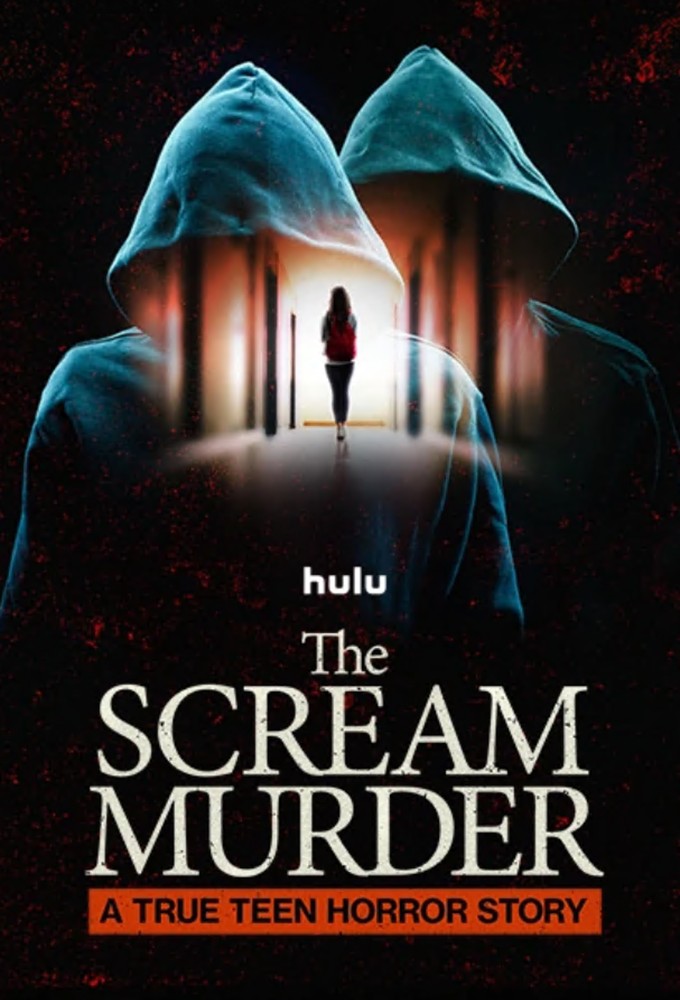
Hulu delivers an unflinching look into the 2006 killing of Cassie Jo Stoddart in The Scream Murder: A True Teen Horror Story. Through chilling archive recordings and candid family testimony, the limited series examines how two classmates turned cinematic slasher tropes into brutal reality. It offers a sobering post-mortem on adolescent sociopathy and suburban vulnerability, presenting a stark, complete chronicle that prioritizes psychological scrutiny over cheap sensationalism.
Season: 1
| Watched? | # | Air Date | Episode Name |
|---|---|---|---|
| E1 | Feb 11, 2026 | Alone in a Big, Dark House | |
| E2 | Feb 11, 2026 | Just Like Scream | |
| E3 | Feb 11, 2026 | Life is Cruel |
Production Note - Limited Series
Production Type: Miniseries
The Scream Murder: A True Teen Horror Story is a standalone Miniseries designed as a completed, finite historical narrative. The production was developed as a deep-dive investigative special to commemorate the anniversary of a notorious criminal case, focusing on the specific timeline and legal outcome of the events in Pocatello, Idaho. By concentrating on the singular legal trajectory and the closure of the judicial proceedings, the creators ensured the project remained a contained documentary work rather than an ongoing procedural.
The scale of the production was intentionally limited to provide a comprehensive look at the influence of pop culture on criminal behavior without the need for additional seasons. Because the perpetrators were sentenced to life in prison and the factual record is exhaustive, the series concludes naturally once the historical sequence of events is fully documented. This definitive structure allows the narrative to serve as a permanent record of the tragedy, fulfilling its purpose as a complete true-crime retrospective.
If you liked The Scream Murder: A True Teen Horror Story:






Trailer
Technical Details
- Network: Hulu
- Seasons: 1
- Years: 2026 - 2026
- Genre: Documentary