

Why Watch
"Experience classic Saturday-morning sci-fi fantasy where sorcery collides with super-science across a ruined, post-apocalyptic future Earth."





AI Critic Analysis
Series Deep Dive:
A cornerstone of early eighties animation, Thundarr the Barbarian combines Jack Kirby designs with Steve Gerber scripts to deliver fierce pulp adventure. Alongside Princess Ariel and Ookla the Mok, Thundarr wields his Sunsword against wicked wizards dominating a ruined Earth. Season 2 sharpens this vibrant collision of sword-and-sorcery and futuristic ruins, standing as an enduring Saturday-morning cartoon classic that redefined imaginative post-apocalyptic worldbuilding for generations of fans.
Season: 2
| Watched? | # | Air Date | Episode Name |
|---|---|---|---|
| E1 | Sep 12, 1981 | Wizard Wars | |
| E2 | Sep 19, 1981 | Fortress of Fear | |
| E3 | Sep 26, 1981 | Island of the Body Snatchers | |
| E4 | Oct 03, 1981 | City of Evil | |
| E5 | Oct 10, 1981 | Last Train to Doomsday | |
| E6 | Oct 17, 1981 | Master of the Stolen Sunsword | |
| E7 | Oct 24, 1981 | Trial by Terror | |
| E8 | Oct 31, 1981 | Prophecy of Peril |
Series Legacy & Historical Archive
Franchise Status: The franchise currently exists as a cult classic property with no active television revival, though it remains a staple of Warner Bros. Discovery's legacy library via the Hanna-Barbera and Ruby-Spears catalogs.
Thundarr the Barbarian remains a definitive pillar of Saturday morning television, having concluded its influential run on ABC. The series stands as a masterclass in the sword-and-sorcery genre, uniquely blended with a post-apocalyptic science fiction aesthetic that defined the early 1980s. By combining the imaginative character designs of comic book legends Alex Toth and Jack Kirby, the show created a visual language that felt far more sophisticated and gritty than its contemporaries. The Sunsword and the broken moon over a ruined Earth provided a hauntingly beautiful backdrop that captured the imaginations of a generation, ensuring its place in the pantheon of animation history.
Today, the program continues to be a rewatch staple because of its uncompromising world-building and the chemistry of its central trio. Unlike many episodic cartoons of the era, the adventures of Thundarr, Princess Ariel, and Ookla the Mok felt like part of a vast, unexplored frontier where magic and lost technology collided. Its influence can be seen in modern hits like Adventure Time and various dark fantasy tropes that favor environmental storytelling over heavy exposition. For fans, the show represents a peak era of creative risk-taking in children's programming, offering a timeless escape into a world that is both broken and wondrously alive.
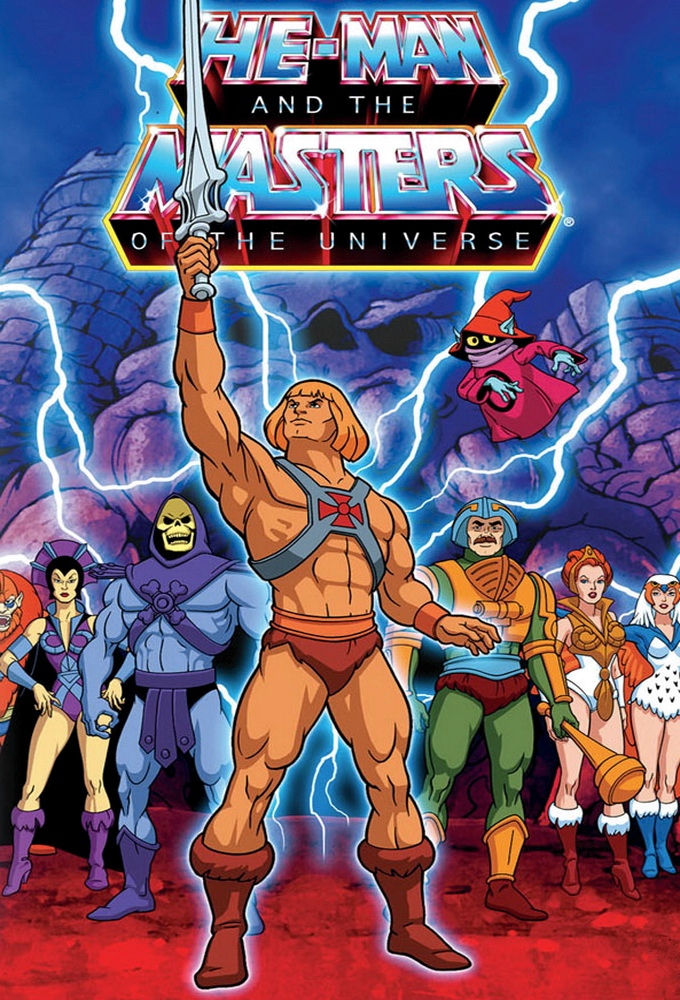
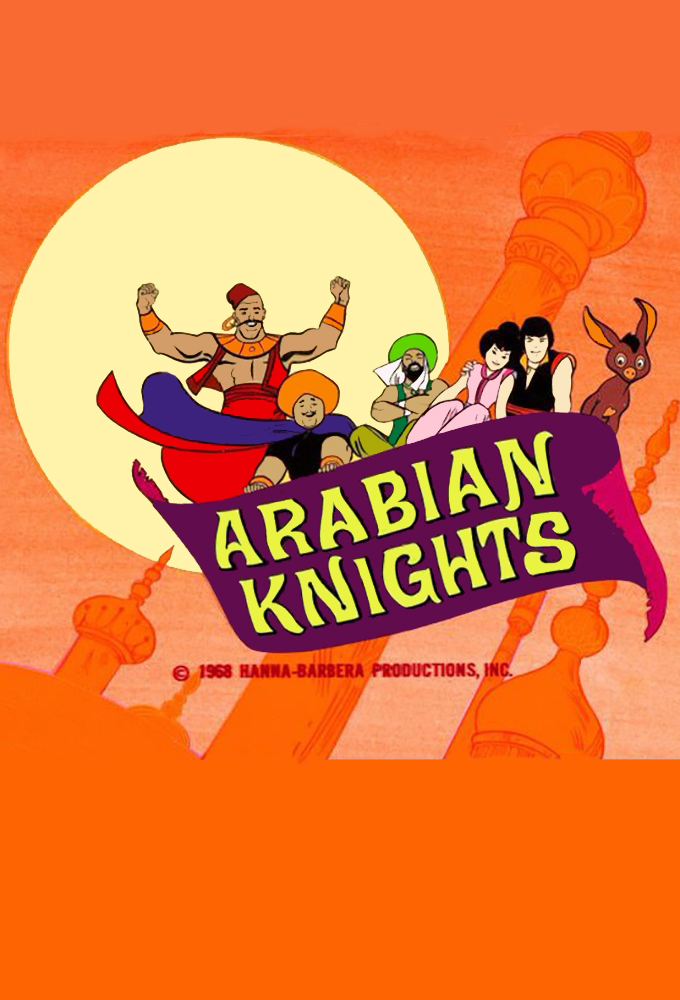
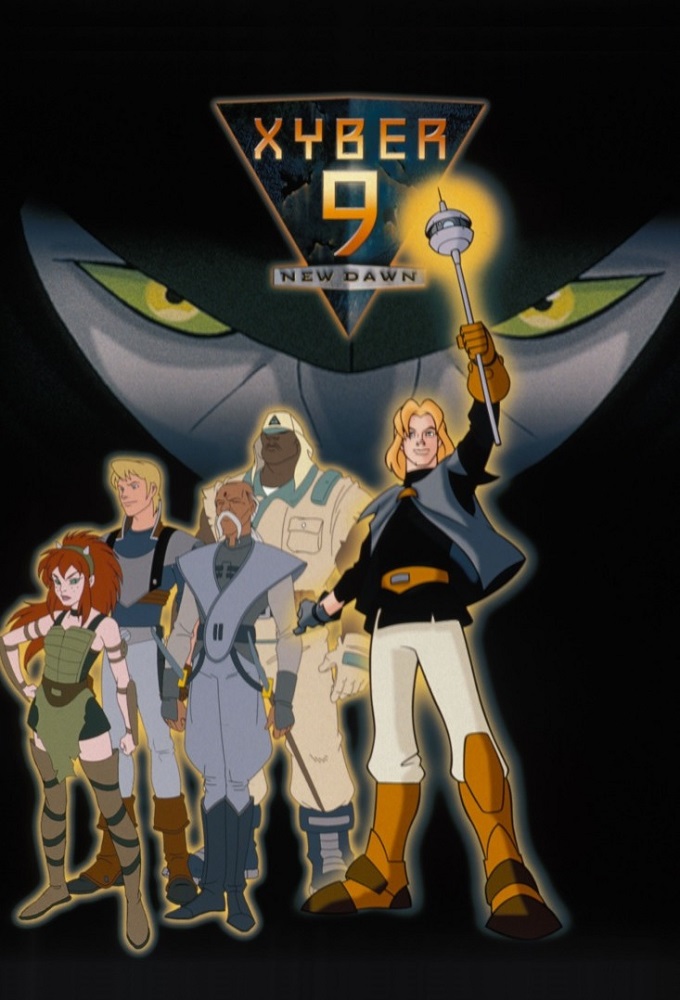
If you liked Thundarr the Barbarian:




Technical Details
- Network: ABC (US)
- Seasons: 2
- Years: 1980 - 1981
- Genre: Action, Adventure, Animation, Children, Family, Fantasy, Science Fiction
- Rating: TV-Y7