
Why Watch
"Relive the peak era of mid-2000s MTV skate counterculture, relentless household pranks, and unapologetic suburban anarchy."


AI Critic Analysis
Series Deep Dive:
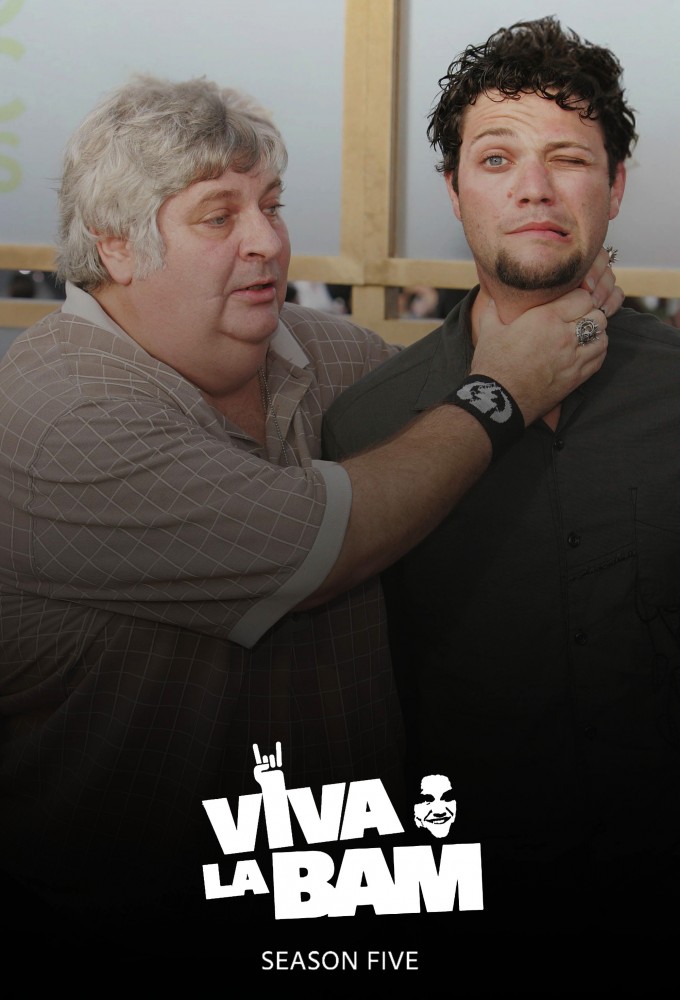
A cornerstone of early-2000s youth television, Viva La Bam chronicled the freewheeling pandemonium orchestrated by professional skateboarder Bam Margera. Flanked by his CKY crew and long-suffering family, Margera transformed his West Chester estate into an unpredictable playground of explosive stunts. In its fifth and final season, the MTV reality series delivered its closing round of high-energy absurdity, marking the end of an era for broadcast stunt comedy.
Season: 5
| Watched? | # | Air Date | Episode Name |
|---|---|---|---|
| E1 | Jun 26, 2005 | Viva La Brazil | |
| E2 | Jul 03, 2005 | Ape's Birthday Surprise | |
| E3 | Jul 10, 2005 | Vito's Revenge | |
| E4 | Jul 17, 2005 | Metal Mulisha | |
| E5 | Jul 24, 2005 | Limo vs. Lambo | |
| E6 | Jul 31, 2005 | Where's Vito? | |
| E7 | Aug 07, 2005 | Bam on the River | |
| E8 | Aug 14, 2005 | Finlandia |
Series Legacy & Historical Archive
Franchise Status: Concluded
Viva La Bam remains a definitive pillar of reality television, having concluded its influential run on MTV. Emerging from the raw chaos of the Jackass franchise, the series transformed Bam Margera’s suburban life into a surreal playground of creative destruction and skate culture. Its legacy is rooted in the unique chemistry between the CKY crew and Bam’s long-suffering family, creating a template for the lifestyle-based reality programming that would dominate the decade. The show managed to blend genuine familial affection with high-concept pranks, making the Margera household one of the most recognizable locations in pop culture history.
Today, the series serves as a nostalgic time capsule for the early 2000s skate aesthetic and the DIY spirit of that era. Fans return to the show for its unapologetic sense of freedom and the escapism provided by Bam’s seemingly limitless resources and imagination. While the landscape of television has shifted, the show’s influence persists in modern influencer content and stunt-based media. Its enduring status as a rewatch staple is driven by a longing for a specific moment in time when the line between home movies and professional production was first starting to blur.
If you liked Viva La Bam:





Technical Details
- Network: MTV
- Seasons: 5
- Years: 2003 - 2005
- Genre: Comedy, Reality
- Rating: TV-PG