
Why Watch
"Delight in razor-sharp corporate absurdity as Hugh Bonneville navigates the hilarious managerial chaos of the BBC."









AI Critic Analysis
Series Deep Dive:
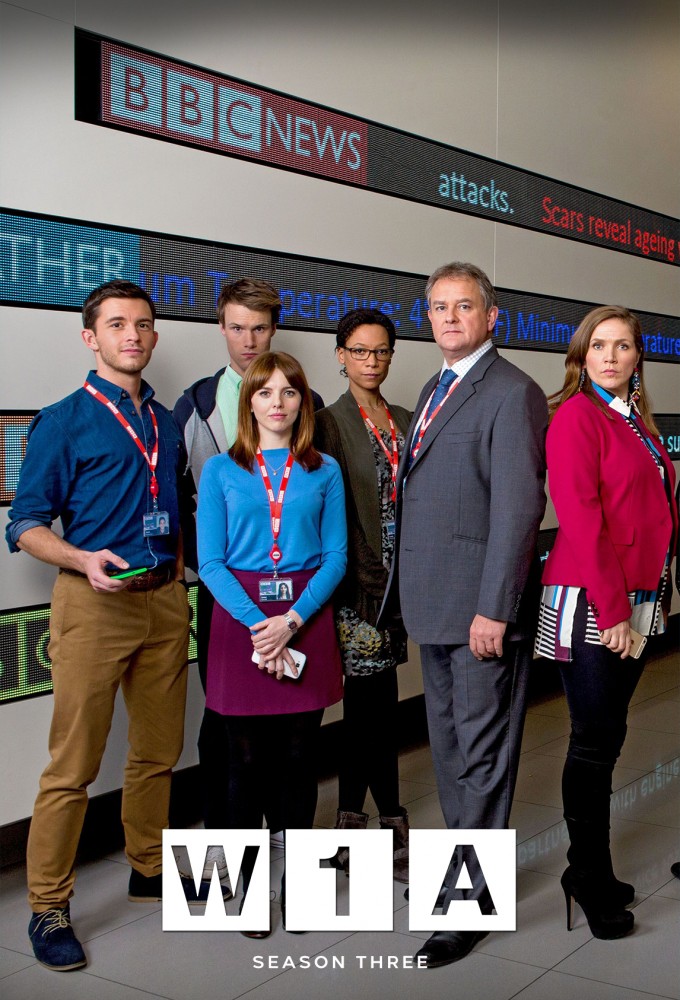
John Morton's biting mockumentary reaches its chaotic zenith in W1A Season 3. Hugh Bonneville leads an exceptional cast as Ian Fletcher, fighting through bureaucratic inertia, meaningless buzzwords, and relentless public relations catastrophes. Packed with rapid-fire dialogue and narrated with pitch-perfect deadpan irony by David Tennant, this final chapter delivers an incisive, hilarious autopsy of modern corporate doublespeak. It remains a masterclass in institutional comedy from BBC Two.
Season: 3
| Watched? | # | Air Date | Episode Name |
|---|---|---|---|
| E1 | Sep 18, 2017 | Episode 1 | |
| E2 | Sep 25, 2017 | Episode 2 | |
| E3 | Oct 02, 2017 | Episode 3 | |
| E4 | Oct 09, 2017 | Episode 4 | |
| E5 | Oct 16, 2017 | Episode 5 | |
| E6 | Oct 23, 2017 | Episode 6 |
Series Legacy & Historical Archive
Franchise Status: The series officially concluded in 2017, but the characters occasionally resurface for charity specials, such as a 2024 short for Comic Relief featuring the Way Ahead team.
W1A remains a definitive pillar of satirical television, having concluded its influential run on BBC Two. The show expertly captured the absurdity of corporate doublespeak and institutional inertia, creating a vernacular of management-speak that remains a shorthand for bureaucratic incompetence in the real world. Its legacy is anchored in its hyper-realistic portrayal of the creative industry, where the constant pursuit of shared values often results in total stagnation, making it a timeless mirror for any modern workplace environment.
As a rewatch staple, the series thrives on its rhythmic editing and the impeccable deadpan delivery of its ensemble cast. The character of Ian Fletcher serves as a universal surrogate for the frustrated professional, ensuring the show remains relatable long after its original broadcast. By lampooning the very institution that produced it, the series achieved a level of meta-commentary that few comedies dare to attempt, securing its place as a sophisticated critique of twenty-first-century institutional culture.