
Why Watch
"Uncover the bizarre, stranger-than-fiction clash between a controversial Oregon guru commune and threatened rural locals."



AI Critic Analysis
Series Deep Dive:
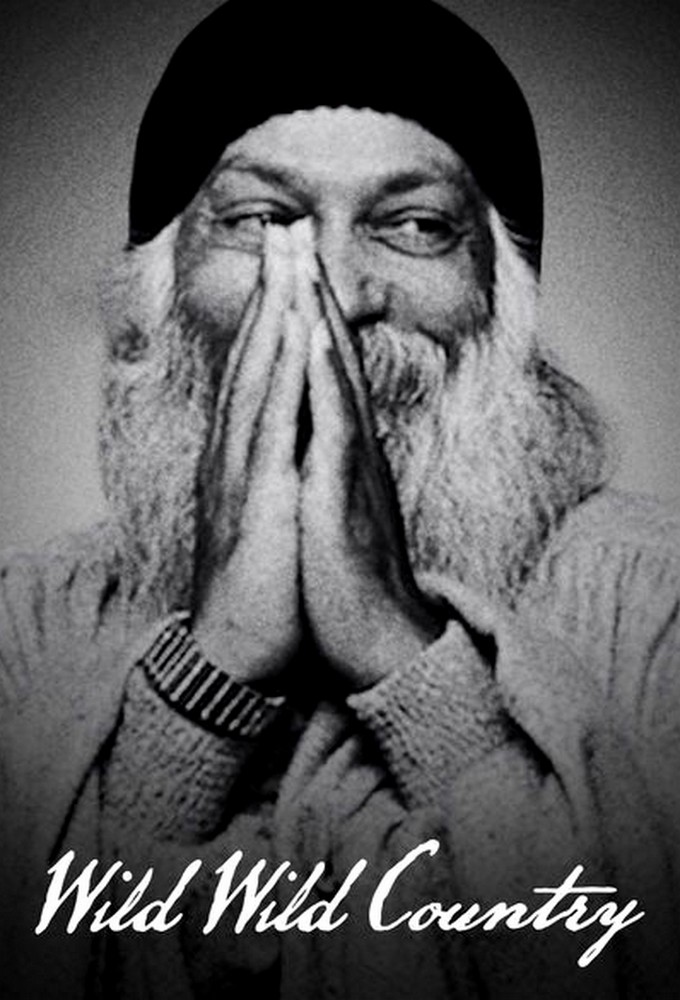
Directors Chapman and Maclain Way deliver an astonishing chronicle of faith, power, and paranoia in Wild Wild Country. Focusing on Bhagwan Shree Rajneesh’s contentious 1980s Oregon utopian community, the docuseries dissects the explosive friction between Rajneeshee leadership and neighboring ranchers. Through mesmerizing archival footage and candid modern interviews, this Netflix investigation examines constitutional friction, political espionage, and America's first bioterror attack with razor-sharp balance.
Season: 1
| Watched? | # | Air Date | Episode Name |
|---|---|---|---|
| E1 | Mar 16, 2018 | Part 1 | |
| E2 | Mar 16, 2018 | Part 2 | |
| E3 | Mar 16, 2018 | Part 3 | |
| E4 | Mar 16, 2018 | Part 4 | |
| E5 | Mar 16, 2018 | Part 5 | |
| E6 | Mar 16, 2018 | Part 6 |
Production Note - Limited Series
Production Type: Miniseries
Wild Wild Country is a standalone Miniseries designed as a completed, finite historical narrative. The production involved an extensive archival process that condensed thousands of hours of historical news reels and private footage into a six-part chronological exploration of the Rajneeshpuram community in Oregon. The creators intended for the series to function as a definitive deep dive into the cultural and legal conflict between the local residents and the followers of Bhagwan Shree Rajneesh during the 1980s.
The narrative structure was specifically built to conclude with the dissolution of the commune and the legal fallout surrounding its leadership, leaving no room for a continuation. Because the series covers a closed chapter of American history with specific historical figures, it was marketed and produced as a self-contained documentary event. The finite nature of the project ensured that all primary investigative threads were resolved within its initial run, cementing its status as a complete work of non-fiction storytelling.
If you liked Wild Wild Country:


Trailer
Technical Details
- Network: Netflix
- Seasons: 1
- Years: 2018 - 2018
- Genre: Crime, Documentary
- Rating: TV-MA