
Why Watch
"Nordic folklore clashes with trauma in a tense Danish mystery chronicling twenty-one missing high school graduates."



AI Critic Analysis
Series Deep Dive:
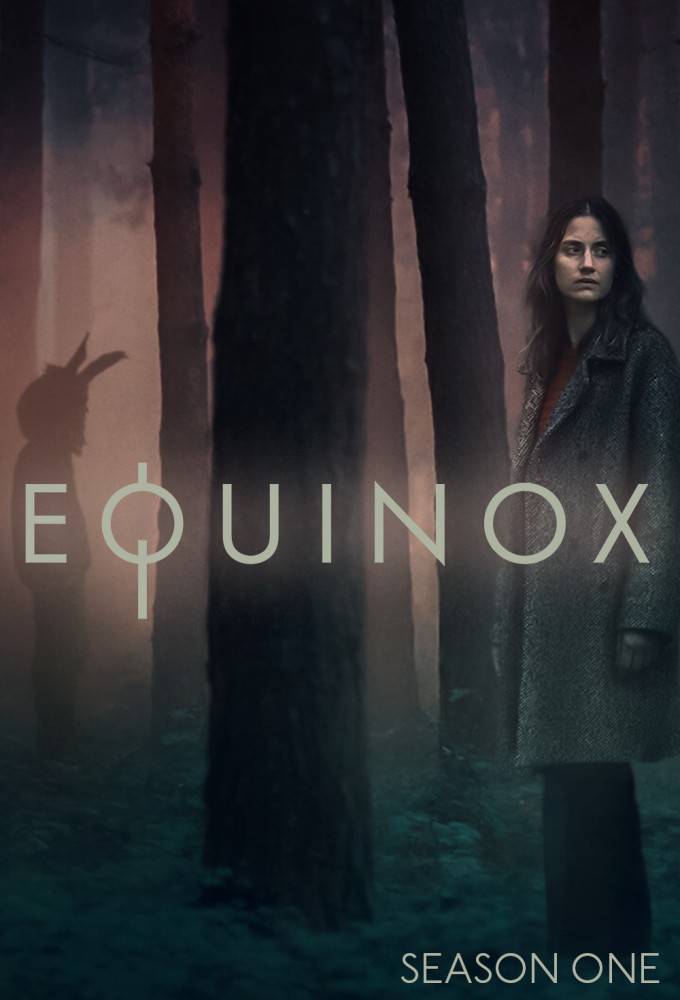
A chilling exploration of Scandinavian folk horror, Equinox follows a haunted radio host investigating her sister's bizarre disappearance decades prior. Combining atmospheric Nordic noir aesthetics with pagan mythology, this Netflix limited series constructs a dread-soaked narrative about grief, delusion, and ancient cycles. Viewers dissecting supernatural enigmas will appreciate its methodical pacing and eerie, uncompromising finale.
Season: 1
| Watched? | # | Air Date | Episode Name |
|---|---|---|---|
| E1 | Dec 30, 2020 | Det kommer til at ske igen | |
| E2 | Dec 30, 2020 | Pigen er væk | |
| E3 | Dec 30, 2020 | Hvad er det du ser, når du sover? | |
| E4 | Dec 30, 2020 | Alt på plads, plads til alt | |
| E5 | Dec 30, 2020 | Jeg hører stemmer | |
| E6 | Dec 30, 2020 | Blodet flyder i årerne |
Production Note - Limited Series
Production Type: Limited Series
Equinox (2020) is a standalone Limited Series designed as a completed, finite historical narrative. Developed by Apple Tree Productions for Netflix, the series was conceived as a high-concept supernatural thriller spanning six episodes. The production focused on adapting the successful Danish podcast Equinox 1985, ensuring that the central mystery regarding the disappearance of a school class was fully explored within a single season. By utilizing a dual-timeline structure, the creators were able to bridge the gap between the past and present, providing a comprehensive resolution to the psychological and mythological elements introduced at the start.
The decision to maintain a finite structure allowed the production team to commit to a cinematic quality that prioritized atmospheric world-building over long-term renewal potential. Because the source material provided a clear beginning, middle, and end, the show avoided the narrative stretching often found in multi-season dramas. This self-contained approach ensured that the character arcs for Astrid and her family reached their intended emotional destinations, solidifying the show's status as a complete work of television fiction.
If you liked Equinox (2020):




Technical Details
- Network: Netflix
- Seasons: 1
- Years: 2020 - 2020
- Genre: Drama, Fantasy, Mystery, Thriller
- Rating: TV-MA