
Why Watch
"An unsparing documentary series analyzing mass violence through firsthand survivor accounts and critical law enforcement post-mortems."











AI Critic Analysis
Series Deep Dive:
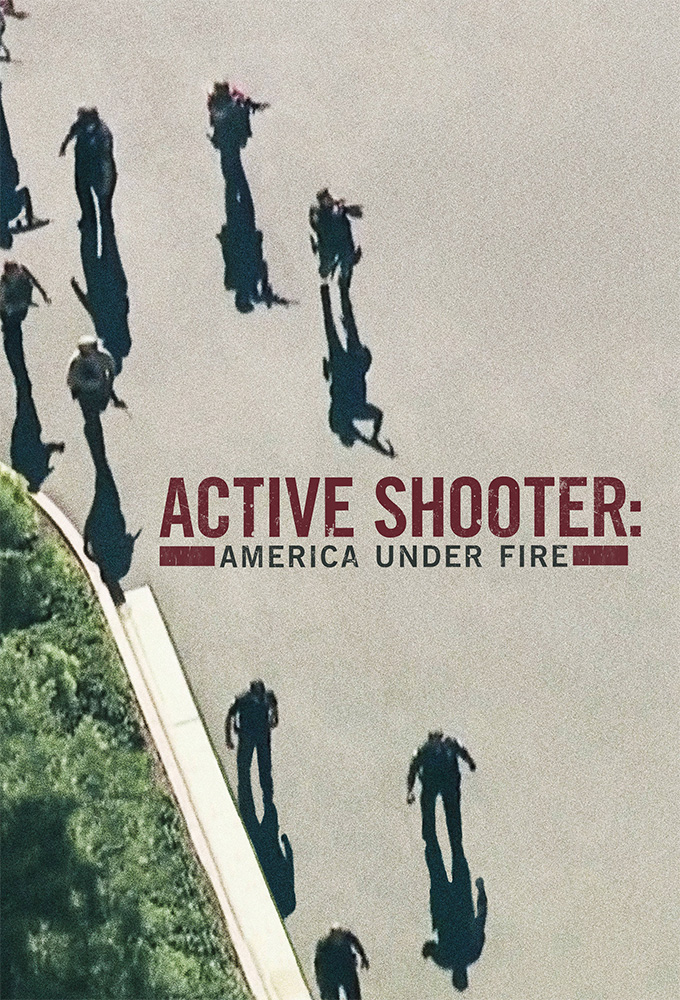
Active Shooter: America Under Fire presents a devastating examination of domestic tragedy, spotlighting nationwide incidents with journalistic sobriety. Across its eight-part run, the series blends raw first-person testimony from survivors, paramedics, and first responders to evaluate critical response tactics and systemic failures. Uncompromising and rigorous, this completed docuseries avoids sensationalism, prioritizing human resilience and emergency logistics over perpetrator notoriety. It remains a poignant, analytical archive of modern public safety.
Season: 1
| Watched? | # | Air Date | Episode Name |
|---|---|---|---|
| E1 | Sep 29, 2017 | Aurora, Colorado | |
| E2 | Oct 06, 2017 | San Bernardino, California | |
| E3 | Oct 13, 2017 | Charleston, South Carolina | |
| E4 | Oct 20, 2017 | Washington, D.C. | |
| E5 | Oct 27, 2017 | Orlando, Florida | |
| E6 | Nov 03, 2017 | Santa Monica, California | |
| E7 | Nov 10, 2017 | Oak Creek, Wisconsin | |
| E8 | Nov 17, 2017 | Columbine, Colorado |
Production Note - Limited Series
Production Type: Docuseries
Active Shooter: America Under Fire is a standalone Docuseries designed as a completed, finite historical narrative. The production was conceived as a deep-dive investigation into the anatomy of mass casualty events, focusing on eight specific tragedies ranging from the Aurora theater shooting to the Pulse nightclub attack. By utilizing first-hand accounts from survivors and first responders, the series aimed to provide a comprehensive sociological study rather than a recurring news program.
The series concluded its run after fulfilling its specific mission to document these high-profile incidents and their lasting impact on American policy and public safety. Because the project was structured around a finite set of case studies intended to spark a national conversation during a specific cultural window, the production reached its natural conclusion. Showtime maintained the series as a complete eight-part volume, ensuring the narrative remains a permanent historical record of the era.
If you liked Active Shooter: America Under Fire:





Technical Details
- Network: Paramount+ with Showtime
- Seasons: 1
- Years: 2017 - 2017
- Genre: Crime, Documentary
- Rating: TV-14