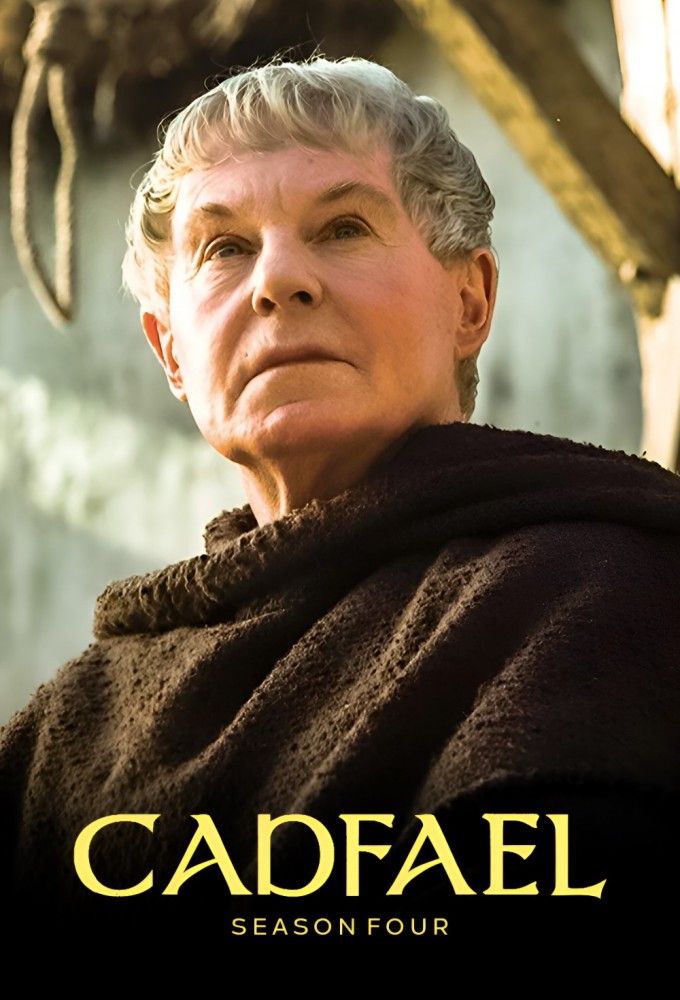

Why Watch
"Derek Jacobi delivers a brilliant, compassionate performance as medieval history's sharpest herbalist-monk solving brutal monastic murders."




AI Critic Analysis
Series Deep Dive:
Sir Derek Jacobi anchors Cadfael with understated brilliance, bringing Ellis Peters' 12th-century Benedictine monk to life against the bloody civil war of The Anarchy. Blending monastic serenity with forensic herbalism, this classic British mystery stands apart for its authentic historical texture, moral complexity, and measured pacing. Cadfael remains an essential benchmark for medieval crime drama, concluding with an evocative final run of mysteries that honor its literary roots.
Season: 4
| Watched? | # | Air Date | Episode Name |
|---|---|---|---|
| E1 | Jun 23, 1998 | The Holy Thief | |
| E2 | Dec 23, 1998 | The Potter's Field | |
| E3 | Dec 28, 1998 | The Pilgrim of Hate |
Series Legacy & Historical Archive
Franchise Status: The franchise remains dormant as a television production, though the original Ellis Peters novels continue to see new editions and the series remains a staple in global syndication and streaming catalogs for period drama enthusiasts.
Cadfael remains a definitive pillar of Medieval Mystery television, having concluded its influential run on ITV. The series set a high bar for historical authenticity, utilizing its Shropshire settings and the gravity of Sir Derek Jacobi to transform the monastic life into a compelling backdrop for forensic inquiry. By blending the aesthetic of the 12th century with the logic of a modern procedural, it carved out a unique space in the cultural landscape that paved the way for future historical crime dramas.
Today, the show remains a rewatch staple because of its atmospheric pacing and the humanistic depth of its title character. Unlike many high-octane thrillers, it offers a cerebral and moral exploration of justice during the Anarchy, providing viewers with a sense of comfort and intellectual satisfaction. Its legacy is found in its quiet dignity and the meticulous attention to period detail that ensures the production feels timeless rather than dated, securing its place as a quintessential example of British heritage television.
If you liked Cadfael:




Technical Details
- Network: ITV1
- Seasons: 4
- Years: 1994 - 1998
- Genre: Crime, Drama, History, Mystery