
Why Watch
"David Jason delivers an unforgettable masterclass in British procedural drama as the cynical, fiercely compassionate Inspector Jack Frost."
Tone: Gritty, Cynical, Melancholic Procedural










AI Critic Analysis
Series Deep Dive:
Led by Sir David Jason’s career-defining performance, A Touch of Frost stands apart from standard police procedurals through raw humanity and moral complexity. In its final chapter, Denton’s battle-worn detective confronts personal sacrifice and tragic closures. The series balances dry, gallows humor with genuine heartbreak, cementing Detective Inspector Jack Frost as one of British television's most enduring figures. Discover where to stream every classic episode and explore full broadcast details on Series Reminder.
Analysis Refined:March 2026
Scheduled next refinement: in 434 days
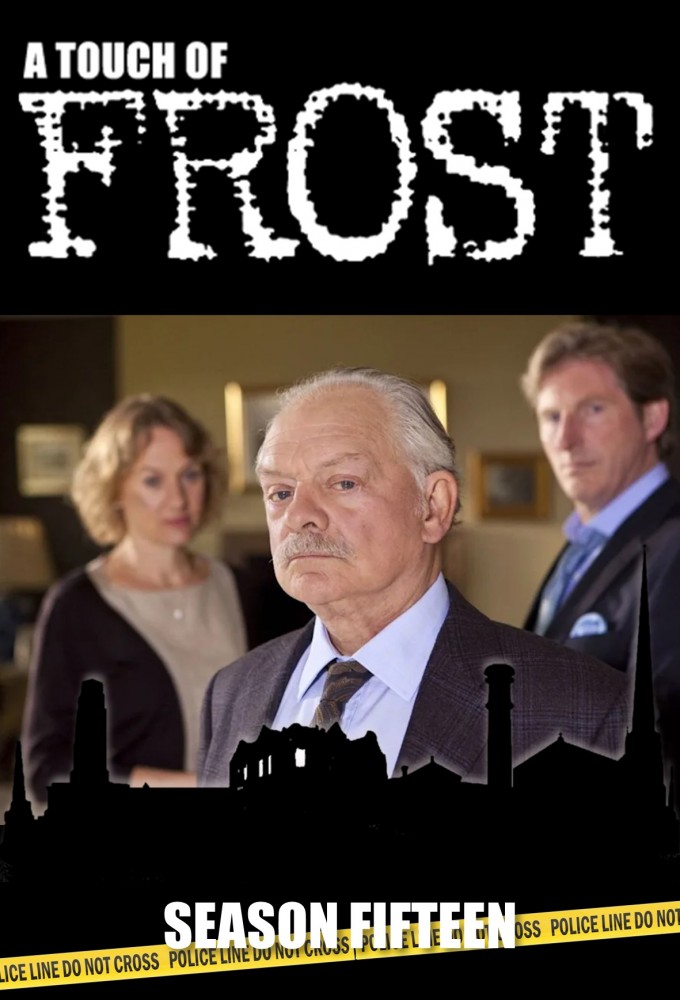
Season: 15
| Watched? | # | Air Date | Episode Name |
|---|---|---|---|
| E1 | Apr 04, 2010 | If Dogs Run Free (1) | |
| E2 | Apr 05, 2010 | If Dogs Run Free (2) |
Series Legacy & Historical Archive
Franchise Status: Concluded Historical Archive
A Touch of Frost remains a definitive pillar of television, having concluded its influential run on ITV1. David Jason's masterclass performance as Detective Inspector Jack Frost transformed the traditional procedural into an emotionally rich portrait of weariness, empathy, and biting wit. Set against the bleak backdrop of fictional Denton, the series expertly blended gritty investigative drama with unvarnished human vulnerability. Decades later, its masterfully constructed mysteries, memorable supporting ensemble, and bittersweet tone continue to define the gold standard of British crime television.
Oracle Insights Refined:March 2026
Scheduled next refinement: in 498 days
If you liked A Touch of Frost:


Technical Details
- Network: ITV1
- Seasons: 15
- Years: 1992 - 2010
- Genre: Crime, Drama, Mystery
Frequently Asked Questions
The series concluded because lead actor David Jason felt he was too old to realistically portray a police detective after reaching the age of 70. He and the production team decided to end the show on a high note while it was still highly rated by audiences.
There are a total of 15 seasons, or series, which aired between 1992 and 2010. These seasons consist of 42 feature-length episodes that follow the investigations of Detective Inspector Jack Frost.
Currently, there are no official plans or credible industry rumors suggesting a reboot or revival is in development. While David Jason has expressed a fondness for the character, no network has announced a project to bring the series back.
There are no television spin-offs based on the characters or the world of A Touch of Frost. The show is an adaptation of the Jack Frost novels by R.D. Wingfield, which remain the only other major media featuring the character.
The show ended with a two-part finale titled If Dogs Run Free, which featured the retirement of Jack Frost from the police force. The producers filmed multiple endings to keep the outcome a secret, ultimately airing a version where Frost's partner, George Toolan, tragically dies.
The complete series is widely available on streaming platforms specializing in British television, such as BritBox and ITVX. Availability may vary by region, but it frequently appears on digital broadcast channels dedicated to classic crime dramas.
FAQ Refined:March 2026
Scheduled next refinement: in 182 days