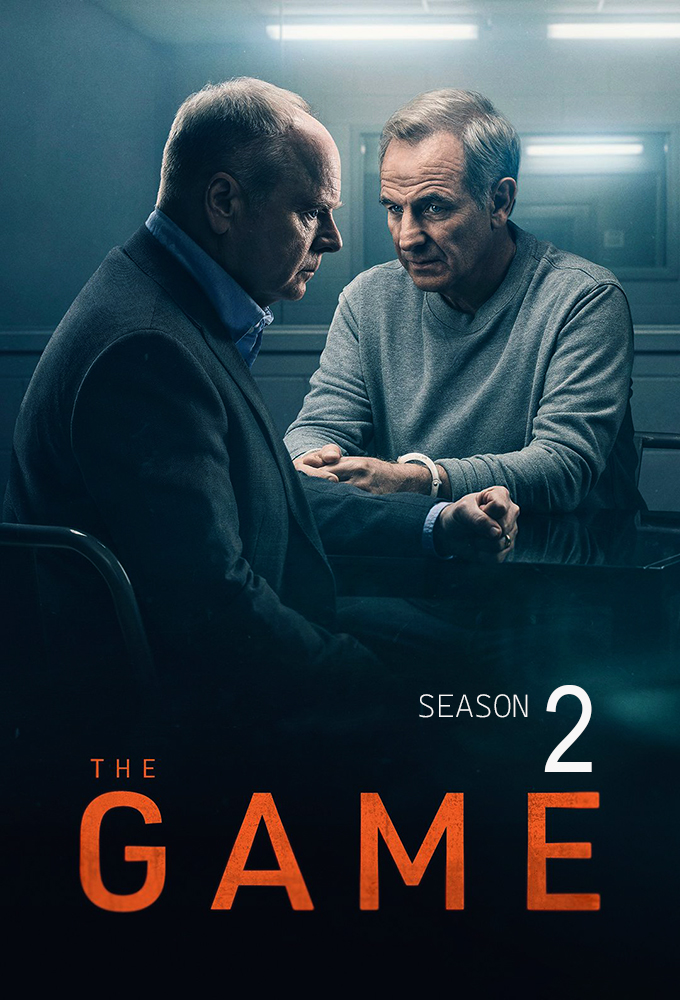

Why Watch
"Razor-sharp psychological stakes and volatile dynamics elevate this calculated thriller into an addictive display of high-wire deception."
Tone: Tense, Psychological, Methodical Drama




AI Critic Analysis
Series Deep Dive:
Following a calculated second chapter on Channel 5, The Game (2025) solidifies its reputation as an unyielding psychological exercise. The series delivers intricate plotting where every maneuver extracts a costly toll from its central ensemble. As viewers await renewal updates following the tense season finale, the production maintains impressive narrative discipline, grounding complex betrayals in razor-sharp dialogue and genuine human frailty.
Analysis Refined:August 2026
Scheduled next refinement: in 200 days
Season: 2
| Watched? | # | Air Date | Episode Name |
|---|---|---|---|
| E1 | Sep 01, 2026 | Episode 1 | |
| E2 | Sep 02, 2026 | Episode 2 | |
| E3 | Sep 08, 2026 | Episode 3 | |
| E4 | Sep 09, 2026 | Episode 4 |
Scheduling Insights - Seasonal Series
Release Window: Late Spring to Late Summer
The Game (2025) has maintained a steady Annual rhythm, typically returning in May. The British cat-and-mouse psychological thriller originally premiered in May 2025 across consecutive weeknights on Channel 5, captivating audiences with its high-stakes drama. Proving popular, the series preserved its annual production cycle by returning for its second installment in late summer 2026. This consistent broadcasting schedule reflects Channel 5's strategy of programming compact, high-impact crime thrillers across prime scheduling slots to maximize audience engagement.
Oracle Insights Refined:September 2026
Scheduled next refinement: in 311 days
If you liked The Game (2025):







Trailer
Technical Details
- Network: 5
- Seasons: 2
- Years: 2025 - 2026
- Genre: Crime, Drama, Thriller
Frequently Asked Questions
The Game (2025) is broadcast on Channel 5 in the United Kingdom. Episodes are also made available for digital streaming on My5.
The Game (2025) follows a mid-season broadcast release strategy. New seasons and series rollouts are scheduled for early-year debuts on Channel 5.
The Game (2025) holds a continuing status on Channel 5. Renewal information and scheduling confirmations for the next production cycle remain on track according to network planning.
A standard series run for The Game (2025) consists of four to six episodes. Channel 5 typically commissions compact, focused episode batches for this format.
Viewers can stream episodes on demand via My5, Channel 5's official video-on-demand service. Catch-up access is available immediately after television broadcast.
FAQ Refined:August 2026
Scheduled next refinement: in 332 days