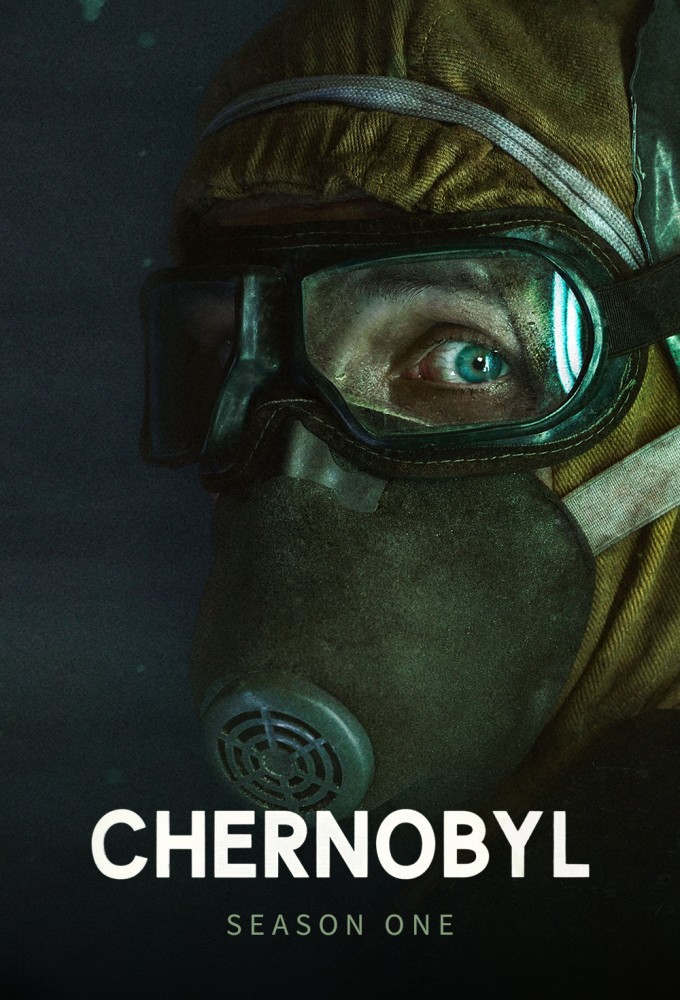

Why Watch
"An unflinching, masterfully acted dramatization exposing the catastrophic human cost of institutional deception and nuclear catastrophe."






AI Critic Analysis
Series Deep Dive:
Craig Mazin's historical miniseries Chernobyl remains a harrowing examination of bureaucratic arrogance and mortal sacrifice. Across five devastating episodes, the production reconstructs the 1986 Soviet nuclear disaster with exacting historical precision. Anchored by commanding performances from Jared Harris and Stellan Skarsgård, this HBO masterpiece transforms catastrophic institutional failure into an urgent, unsparing procedural thriller that interrogates the profound cost of state-mandated lies.
Season: 1
| Watched? | # | Air Date | Episode Name |
|---|---|---|---|
| E1 | May 06, 2019 | 1:23:45 | |
| E2 | May 13, 2019 | Please Remain Calm | |
| E3 | May 20, 2019 | Open Wide, O Earth | |
| E4 | May 27, 2019 | The Happiness of All Mankind | |
| E5 | Jun 03, 2019 | Vichnaya Pamyat |
Production Note - Limited Series
Production Type: Limited Series
Chernobyl is a standalone Limited Series designed as a completed, finite historical narrative. The production was conceived by creator Craig Mazin as a rigorous five-part examination of the 1986 nuclear disaster, focusing on both the scientific reality of the core meltdown and the systemic political failures that followed. Because the series was built upon the historical record and the personal accounts of those involved, the narrative was inherently restricted to the specific window of the catastrophe and the subsequent cleanup efforts.
The scale of the production was immense, utilizing the decommissioned Ignalina Nuclear Power Plant in Lithuania to provide an authentic visual double for the RBMK reactor at the heart of the story. This commitment to realism extended to the scripts, which were designed to conclude with the 1987 trial of the plant officials, effectively closing the loop on the primary legal and scientific conflicts presented. By treating the project as a singular television event, the producers were able to maintain a high level of cinematic quality and narrative focus that would have been diluted by any attempt at a multi-season expansion.
If you liked Chernobyl:




Technical Details
- Network: HBO
- Seasons: 1
- Years: 2019 - 2019
- Genre: Drama, History, Mini-Series, Thriller
- Rating: TV-MA