

Why Watch
"An incendiary dystopian thriller where nocturnal curfews enforce gender safety, challenging police procedural conventions with biting social commentary."
AI Critic Analysis
Series Deep Dive:
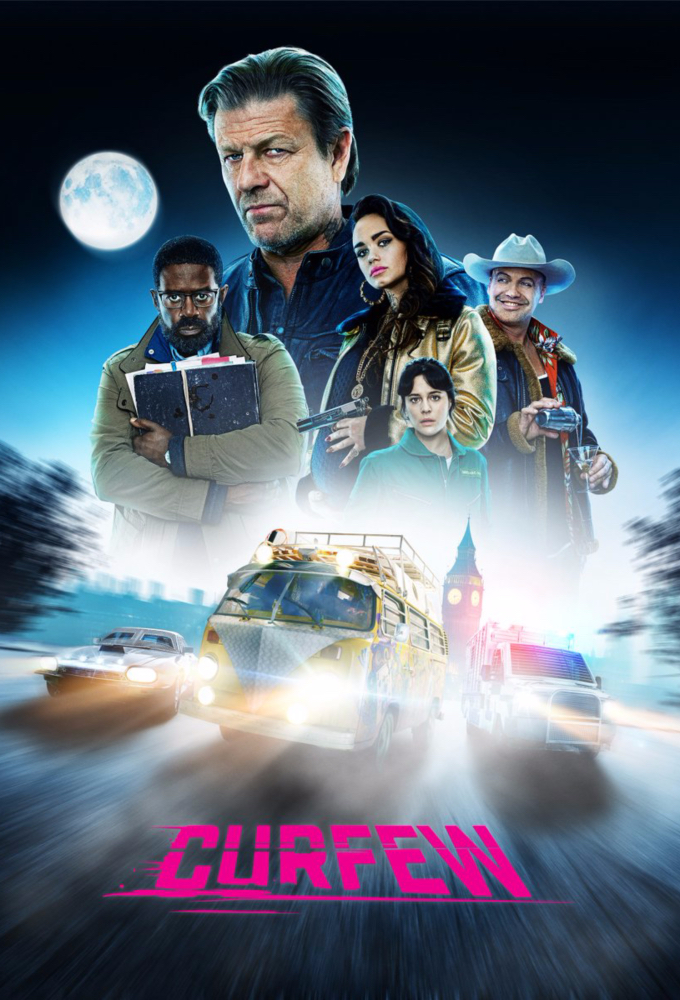
Paramount+ delivers a razor-sharp adaptation of Jayne Croll's novel with Curfew. Set in an alternate Britain where men are restricted by mandatory nighttime curfews, the series turns a gruesome homicide investigation into a provocative social interrogation. Bolstered by intense performances and tight pacing, this completed crime drama examines systemic control, trust, and paranoia. The limited run provides a searing, complete narrative arc that rewards meticulous mystery enthusiasts.
Season: 1
| Watched? | # | Air Date | Episode Name |
|---|---|---|---|
| E1 | Oct 10, 2024 | Here We Are | |
| E2 | Oct 17, 2024 | Lovers | |
| E3 | Oct 24, 2024 | Pipe Down | |
| E4 | Oct 31, 2024 | Choose Me | |
| E5 | Nov 07, 2024 | Total Harmony | |
| E6 | Nov 14, 2024 | Curfew Time |
Production Note - Limited Series
Production Type: Limited Series
Curfew (2024) is a standalone Limited Series designed as a completed, finite historical narrative. This Paramount+ original production was developed as a high-concept crime thriller based on the novel After Dark by Jayne Cowie. The six-part series explores a provocative premise where men are legally required to stay indoors after sunset, utilizing a structured mystery format to examine gender dynamics and societal control. Because the series was commissioned as a faithful adaptation of a singular literary source, the creative team focused on delivering a comprehensive investigation into a specific murder case that resolves within its initial run.
The production scale involved significant location filming to establish the eerie, quiet atmosphere of a city under strict legal restrictions. By centering the narrative on a closed-ended police procedural framework, the showrunners ensured that the overarching tension regarding the Curfew Act and the central crime reached a definitive climax. This intentional design as a limited event allowed the writers to maintain a tight pace and provide closure to the character arcs without the need for multi-season expansion, cementing its status as a self-contained television event.
If you liked Curfew (2024):



Trailer
Technical Details
- Network: Paramount+
- Seasons: 1
- Years: 2024 - 2024
- Genre: Crime, Drama, Thriller