

Why Watch
"Witness astonishing psychological illusions and sharp mentalism that turn ordinary human perception completely inside out on screen."


AI Critic Analysis
Series Deep Dive:
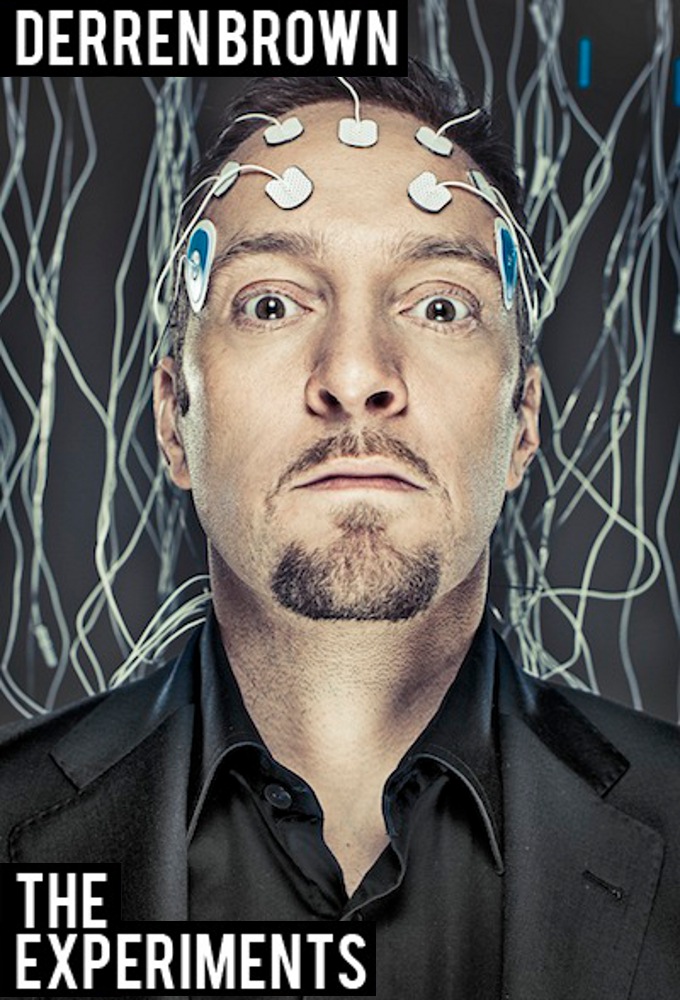
Before psychological illusion became a television staple, Derren Brown: Mind Control redefined the genre on Channel 4. Blending magic, suggestion, and sharp showmanship, the series exposed cognitive blind spots with precision. Mind Control remains essential viewing for fans of high-concept mentalism. Explore full season archives and track where to stream classic episodes across trusted platforms right here on Series Reminder.
Season: 1
| Watched? | # | Air Date | Episode Name |
|---|---|---|---|
| E1 | Dec 27, 2000 | Toothache, Ad Agency | |
| E2 | Dec 27, 2000 | Oxford Union, Boxing Gym | |
| E3 | Dec 27, 2000 | Casino, Market | |
| E4 | Dec 27, 2000 | St Pancras, Models | |
| E5 | Dec 27, 2000 | Shopping Centre, Assault Course | |
| E6 | Dec 27, 2000 | Prison, Greyhounds |
Series Legacy & Historical Archive
Franchise Status: The original series concluded, but the format evolved into numerous high-concept specials and international stage tours that continue the brand legacy.
Derren Brown: Mind Control remains a definitive pillar of psychological illusion television, having concluded its influential run on Channel 4. The series redefined the boundaries of magic by shifting the focus from physical sleight of hand to the manipulation of human perception and suggestion. By blending elements of traditional conjuring with neuro-linguistic programming and social psychology, Brown created a unique subgenre that challenged viewers to question their own cognitive vulnerabilities. This approach established a template for modern mentalism and remains a foundational text for anyone interested in the intersection of performance art and behavioral science.
The show persists as a rewatch staple because of its atmospheric production and the intellectual curiosity it inspires in its audience. Unlike standard variety shows, each segment feels like a sophisticated experiment that invites the viewer into the process of deception. Its legacy is visible in the subsequent wave of psychological thrillers and reality-bending programming that prizes intellectual engagement over simple spectacle. Fans return to the series not just for the reveals, but for the masterful storytelling and the unsettling realization of how easily the human mind can be steered by a charismatic practitioner.
If you liked Derren Brown: Mind Control:



Technical Details
- Network: Channel 4
- Seasons: 1
- Years: 2000 - 2000
- Genre: Documentary