

Why Watch
"Witness astonishing psychological experiments where ordinary volunteers surrender control to dark illusions and unpredictable twists of fate."
AI Critic Analysis
Series Deep Dive:
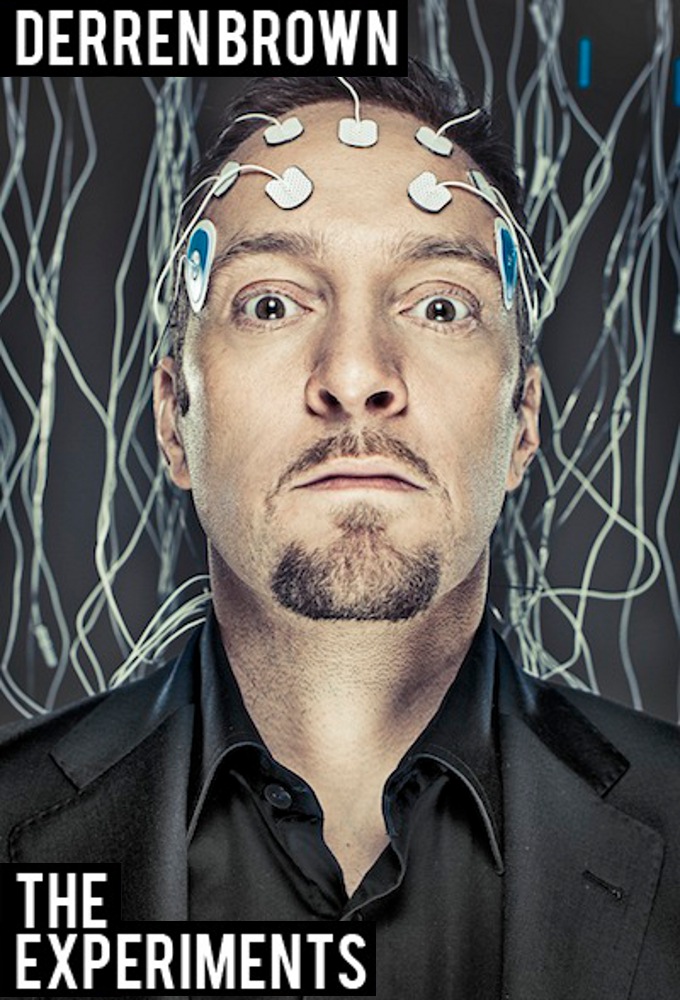
Master mentalist Derren Brown delivers brilliant psychological theatre in Derren Brown: Trick or Treat Season 2. Armed with cards that dictate heavenly boons or sinister scenarios, Brown manipulates perception, memory, and free will with surgical precision. Each episode serves as a gripping study of human gullibility and resilience, proving why this Channel 4 classic remains one of British television's most fascinating, thought-provoking investigations of the human mind.
Season: 2
| Watched? | # | Air Date | Episode Name |
|---|---|---|---|
| E1 | May 02, 2008 | Quiz | |
| E2 | May 09, 2008 | Kitten | |
| E3 | May 16, 2008 | Time | |
| E4 | May 23, 2008 | Escape | |
| E5 | May 30, 2008 | Confidence | |
| E6 | Jun 06, 2008 | Superstition |
Series Legacy & Historical Archive
Franchise Status: Completed; Derren Brown continues to produce standalone specials and stage shows under his brand, but the specific Trick or Treat anthology format has not been revived since 2008.
Derren Brown: Trick or Treat remains a definitive pillar of psychological entertainment television, having concluded its influential run on Channel 4. The series mastered the intersection of psychological manipulation and high-stakes social experimentation, creating a blueprint for the modern mentalism genre. By placing ordinary participants in extraordinary circumstances based on the simple flip of a card, the show explored the depths of human suggestibility and the power of narrative framing. Its legacy is found in how it elevated magic from simple sleight of hand to a profound exploration of the human mind, ensuring its place as a cornerstone of British television history.
As a rewatch staple, the program retains its potency because it invites viewers to scrutinize the ethics and mechanisms of influence alongside the participants. The duality of the trick or treat outcomes provided a structured tension that remains compelling even years after the initial broadcast. Fans return to the series not just for the spectacle of the stunts, but for the intellectual curiosity it fosters regarding subconscious behavior and the limits of free will. It serves as a masterclass in atmospheric production and psychological storytelling that continues to inspire contemporary creators in the field of experimental media.
If you liked Derren Brown: Trick or Treat:






Technical Details
- Network: Channel 4
- Seasons: 2
- Years: 2007 - 2008
- Genre: Documentary, Reality