

Why Watch
"Experience the darker, surprisingly mature Saturday-morning classic that defined tabletop fantasy for an entire generation of animation fans."




AI Critic Analysis
Series Deep Dive:
A benchmark of mid-eighties animation, Dungeons & Dragons transcended standard Saturday-morning fare by investing real stakes into its stranded teenage heroes. Season 3 delivers darker moral quandaries and intense confrontations with Venger, pushing the boundaries of network censorship. The writing remains uncommonly sharp, offering thoughtful character growth and emotional depth that solidify this concluding chapter as an enduring landmark in animated television fantasy.
Season: 3
| Watched? | # | Air Date | Episode Name |
|---|---|---|---|
| E1 | Sep 14, 1985 | The Dungeon at the Heart of Dawn | |
| E2 | Sep 21, 1985 | The Time Lost | |
| E3 | Sep 28, 1985 | Odyssey of the Twelfth Talisman | |
| E4 | Oct 12, 1985 | Citadel of Shadow | |
| E5 | Nov 09, 1985 | Cave of the Fairie Dragons | |
| E6 | Dec 07, 1985 | The Winds of Darkness |
Series Legacy & Historical Archive
Franchise Status: Concluded
Dungeons & Dragons remains a definitive pillar of fantasy animation television, having concluded its influential run on CBS. The series broke new ground in the early 1980s by introducing a darker, more serialized narrative style to Saturday morning cartoons. Its premise of six children transported to a magical realm via a theme park ride resonated deeply with a generation of viewers, blending high-stakes adventure with character-driven drama. By utilizing the core mechanics and monsters of the original tabletop game, the show acted as a crucial bridge that brought the burgeoning role-playing subculture into the mainstream living room.
Today, the show is a rewatch staple because of its unique atmosphere and the lingering mystery of its unproduced finale. Fans return to the series not just for nostalgia, but to appreciate the surprisingly complex moral dilemmas faced by the young protagonists under the guidance of the enigmatic Dungeon Master. Its DNA can be seen in modern hits like Stranger Things, proving that the archetypes and emotional stakes established in this animated classic continue to define how we tell stories about friendship and survival in fantastical worlds.
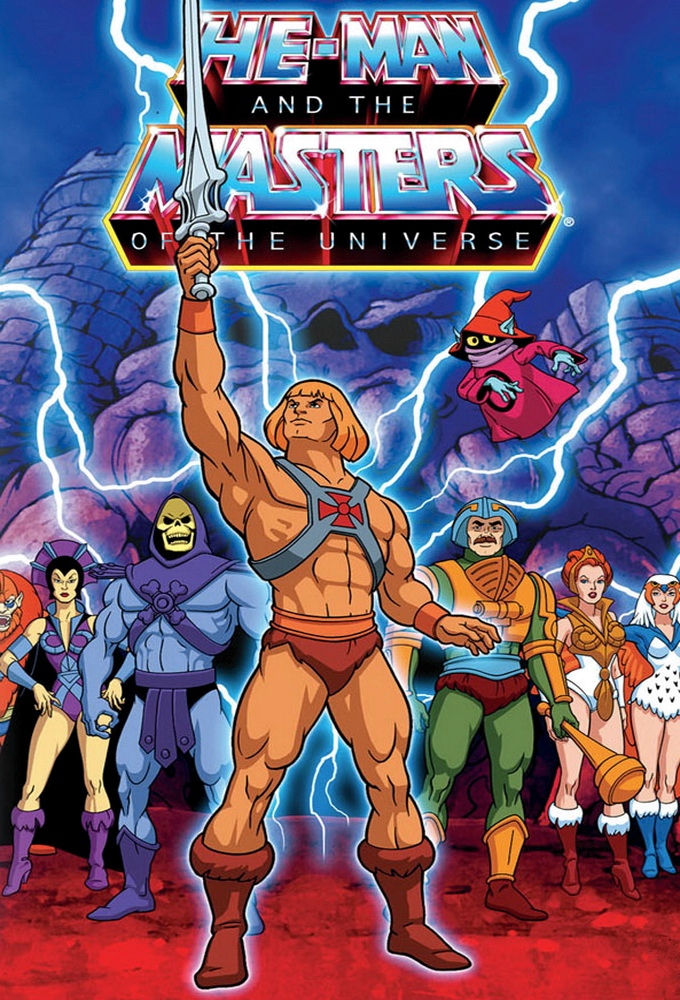
If you liked Dungeons & Dragons:




Technical Details
- Network: CBS
- Seasons: 3
- Years: 1983 - 1985
- Genre: Action, Adventure, Animation, Children, Comedy, Fantasy
- Rating: TV-Y7