
Why Watch
"Relive the definitive Saturday-morning adaptation featuring complex mutant allegories, operatic melodrama, and iconic Marvel comic storylines."






AI Critic Analysis
Series Deep Dive:
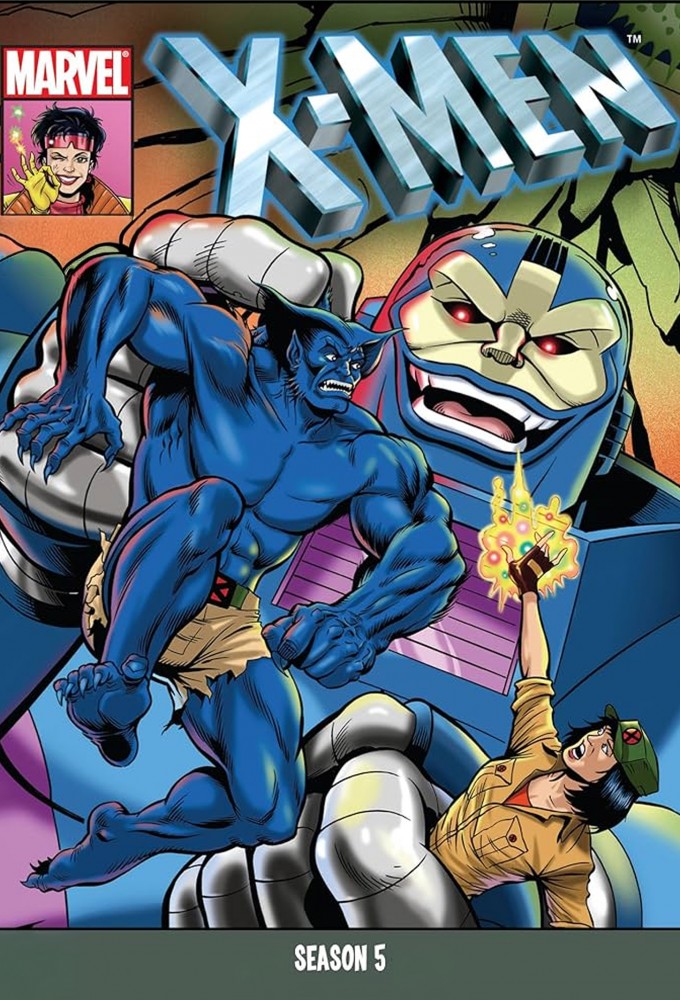
A cornerstone of superhero animation, X-Men: The Animated Series elevated morning television by prioritizing serialized drama, philosophical friction, and nuanced social allegories. Across its iconic run, the groundbreaking FOX saga fearlessly translated seminal comic arcs like The Dark Phoenix Saga with remarkable fidelity. Season 5 concludes Professor Charles Xavier’s legacy, delivering an emotionally resonant finale that firmly cemented the show as a peerless cultural phenomenon.
Season: 5
| Watched? | # | Air Date | Episode Name |
|---|---|---|---|
| E1 | Sep 07, 1996 | The Phalanx Covenant (1) | |
| E2 | Sep 07, 1996 | The Phalanx Covenant (2) | |
| E3 | Sep 14, 1996 | A Deal with the Devil | |
| E4 | Sep 21, 1996 | No Mutant Is an Island | |
| E5 | Oct 05, 1996 | Longshot | |
| E6 | Oct 26, 1996 | Bloodlines | |
| E7 | Nov 02, 1996 | Storm Front (1) | |
| E8 | Nov 09, 1996 | Storm Front (2) | |
| E9 | Nov 16, 1996 | Jubilee's Fairy Tale Theatre | |
| E10 | Feb 08, 1997 | The Fifth Horseman | |
| E11 | Feb 22, 1997 | Old Soldiers | |
| E12 | Sep 06, 1997 | Hidden Agendas | |
| E13 | Sep 13, 1997 | Descent | |
| E14 | Sep 20, 1997 | Graduation Day |
Series Legacy & Historical Archive
Franchise Status: Active / Legacy Revival
X-Men: The Animated Series remains a definitive pillar of superhero television, having concluded its influential run on Fox. By translating complex comic book arcs like the Dark Phoenix Saga into a serialized format, the show introduced millions of viewers to mature themes of social justice and systemic prejudice. It moved beyond simple episodic battles to explore the human condition through the lens of mutant identity, effectively establishing the blueprint for the modern cinematic universe. This sophisticated approach to storytelling ensured that the series was not merely a commercial for toys but a legitimate piece of dramatic art that challenged its audience.
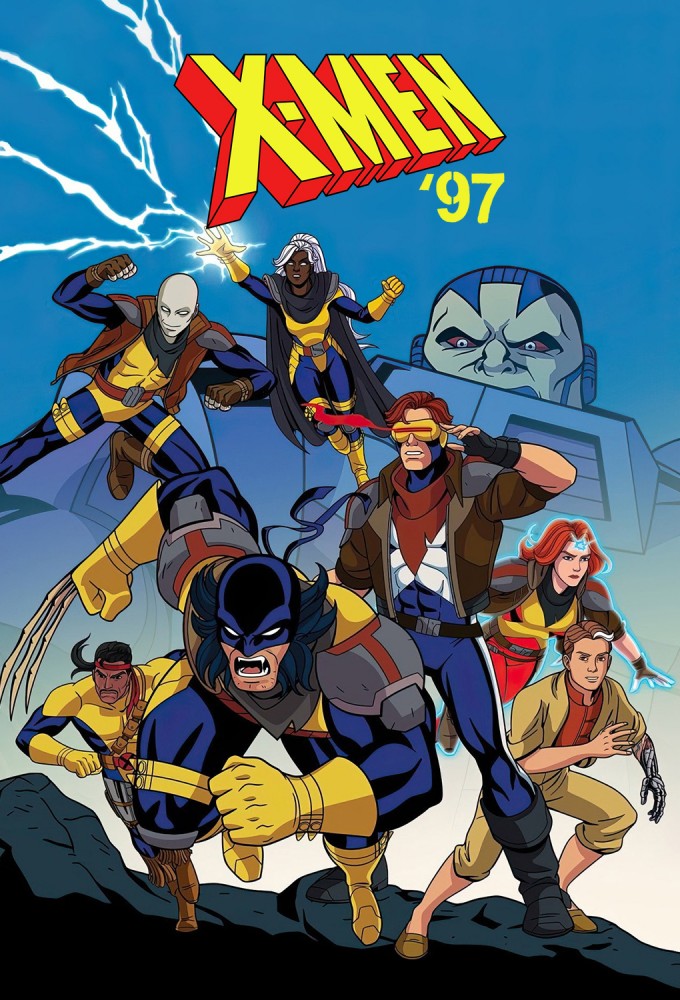
The show remains a rewatch staple due to its iconic aesthetic and the definitive vocal performances that still represent the characters for many fans. Its vibrant character designs and synth-heavy theme song created a sensory experience that defines 1990s pop culture. Beyond nostalgia, the series maintains its relevance because its core message of unity in the face of adversity remains universally applicable. The recent success of its direct continuation further solidifies its legacy as the foundational text for the entire X-Men franchise across all media platforms.
If you liked X-Men: The Animated Series:



Technical Details
- Network: FOX
- Seasons: 5
- Years: 1992 - 1997
- Genre: Action, Animation, Children, Family, Science Fiction
- Rating: TV-Y7