

Why Watch
"Experience the darker stakes, Digimon Emperor saga, and legacy DigiDestined team-ups that redefine this iconic monster-taming anime classic."
Tone: Nostalgic, High-Stakes, Anime Adventure


AI Critic Analysis
Series Deep Dive:
Building upon its predecessor, Digimon: Digital Monsters Season 2 elevates the franchise with mature conflict and dynamic world-building. Introducing armor digivolution and the conflicted Digimon Emperor, the narrative pushes past simple good versus evil. Veteran DigiDestined pass the torch to a compelling new squad, creating an enduring bridge between eras. It remains essential viewing for anime fans exploring foundational fantasy lore and high-concept monster-battling mechanics.
Analysis Refined:March 2026
Scheduled next refinement: in 359 days
Season: 2
| Watched? | # | Air Date | Episode Name |
|---|---|---|---|
| E1 | Apr 02, 2000 | 勇気を受け継ぐ者 | |
| E2 | Apr 09, 2000 | デジタルゲートオープン | |
| E3 | Apr 16, 2000 | デジメンタルアップ | |
| E4 | Apr 23, 2000 | 闇の王デジモンカイザー | |
| E5 | Apr 30, 2000 | ダークタワーを倒せ | |
| E6 | May 07, 2000 | 危険なピクニック | |
| E7 | May 14, 2000 | ヒカリノキオク | |
| E8 | May 21, 2000 | デジモンカイザーの孤独 | |
| E9 | May 28, 2000 | イービルリング魔力の暴走 | |
| E10 | Jun 04, 2000 | 敵はメタルグレイモン | |
| E11 | Jun 11, 2000 | 青い稲妻ライドラモン | |
| E12 | Jun 18, 2000 | デジモン牧場の決闘 | |
| E13 | Jun 25, 2000 | ダゴモンの呼び声 | |
| E14 | Jul 02, 2000 | 疾風(かぜ)のシュリモン | |
| E15 | Jul 16, 2000 | シュリモン武芸帳 | |
| E16 | Jul 23, 2000 | サブマリモン海底からの脱出 | |
| E17 | Jul 30, 2000 | お台場メモリアル | |
| E18 | Aug 06, 2000 | カイザーの基地を追え! | |
| E19 | Aug 13, 2000 | 合成魔獣キメラモン | |
| E20 | Aug 20, 2000 | 超絶進化!黄金のマグナモン | |
| E21 | Aug 27, 2000 | サヨナラ、賢ちゃん…… | |
| E22 | Sep 03, 2000 | 豪勇進化!エクスブイモン | |
| E23 | Sep 10, 2000 | デジヴァイスが闇に染まる時 | |
| E24 | Sep 17, 2000 | 大地の装甲アンキロモン | |
| E25 | Sep 24, 2000 | 大空の騎士アクィラモン | |
| E26 | Oct 01, 2000 | ジョグレス進化 今、心をひとつに | |
| E27 | Oct 08, 2000 | 無敵合体!パイルドラモン | |
| E28 | Oct 15, 2000 | 昆虫(バグ)使いの罠!! | |
| E29 | Oct 22, 2000 | アルケニモン蜘蛛女のミス | |
| E30 | Oct 29, 2000 | 暗黒究極体ブラックウォーグレイモン | |
| E31 | Nov 05, 2000 | 愛の嵐シルフィーモン | |
| E32 | Nov 12, 2000 | 謎の遺跡ホーリーストーン | |
| E33 | Nov 19, 2000 | 今日のミヤコは京の都 | |
| E34 | Nov 26, 2000 | ホーリーポイントを守れ | |
| E35 | Dec 03, 2000 | 爆進!ブラックウォーグレイモン | |
| E36 | Dec 10, 2000 | 鋼の天使シャッコウモン | |
| E37 | Dec 17, 2000 | 巨大究極体チンロンモン | |
| E38 | Dec 24, 2000 | ホーリーナイト・デジモン大集合! | |
| E39 | Dec 24, 2000 | 全員出動! インペリアルドラモン | |
| E40 | Jan 14, 2001 | ニューヨーク香港大混戦! | |
| E41 | Jan 21, 2001 | サンゴとベルサイユ大乱戦! | |
| E42 | Jan 28, 2001 | 恋とボルシチ大激戦! | |
| E43 | Feb 04, 2001 | デーモン軍団の襲来 | |
| E44 | Feb 11, 2001 | 暗黒デジモンとの死闘 | |
| E45 | Feb 18, 2001 | 暗黒のゲート | |
| E46 | Feb 25, 2001 | ブラックウォーグレイモンVSウォーグレイモン | |
| E47 | Mar 04, 2001 | ブラックウォーグレイモンの封印 | |
| E48 | Mar 11, 2001 | 恐怖!ベリアルヴァンデモン | |
| E49 | Mar 18, 2001 | 最後のアーマー進化 | |
| E50 | Mar 25, 2001 | ぼくらのデジタルワールド |
Series Legacy & Historical Archive
Franchise Status: Active Ongoing Franchise (Modern spin-offs, films, and video games currently in production)
Digimon: Digital Monsters remains a definitive pillar of television, having concluded its influential run on Fuji TV. Groundbreaking for its time, the series navigated complex themes of grief, emotional trauma, and maturity through the lens of digital fantasy.
Elevated by resonant character arcs and dynamic creature evolutions, Digimon transcended its status as a merchandising vehicle. It carved out a lasting, sophisticated legacy in late-nineties anime history, consistently captivating generations of dedicated international viewers across numerous decades of television.
Elevated by resonant character arcs and dynamic creature evolutions, Digimon transcended its status as a merchandising vehicle. It carved out a lasting, sophisticated legacy in late-nineties anime history, consistently captivating generations of dedicated international viewers across numerous decades of television.
Oracle Insights Refined:March 2026
Scheduled next refinement: in 480 days
If you liked Digimon: Digital Monsters:




Technical Details
- Network: Fuji TV
- Seasons: 2
- Years: 1999 - 2001
- Genre: Action, Adventure, Animation, Anime, Family, Fantasy, Science Fiction, Thriller
- Rating: TV-Y7
Frequently Asked Questions
The original run concluded its initial broadcast cycle to allow the franchise to evolve through new themes and cast rotations. While it was not canceled due to failure, the series took a multi-year hiatus after the fourth season to refresh the brand's strategy and toy line.
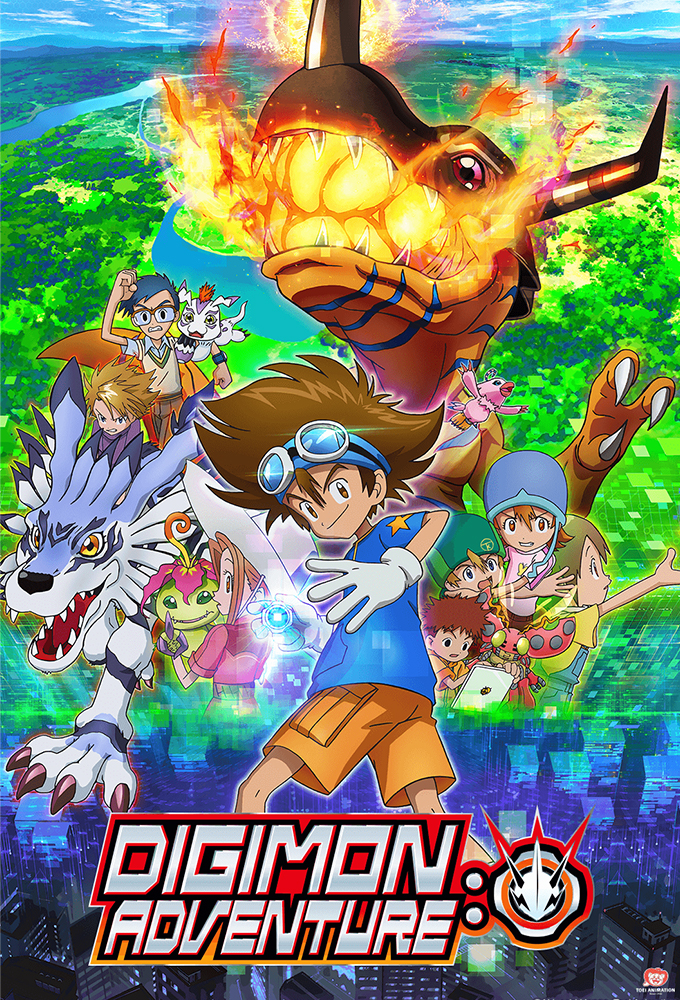
A direct reboot titled Digimon Adventure (2020) has already been released, reimagining the original 1999 story for a modern audience. Furthermore, the franchise continues to revive the original characters through sequel films like Digimon Adventure tri. and Last Evolution Kizuna.
The Digimon franchise currently consists of over ten distinct seasons, beginning with the original 1999 series and extending through modern entries like Ghost Game. Each season typically introduces a new set of protagonists and digital mechanics, though some are direct sequels to previous arcs.
The series has expanded into numerous spin-offs including theatrical movies, manga series like Digimon V-Tamer 01, and an extensive library of video games. These projects often explore different corners of the Digital World that are not featured in the primary television broadcasts.
The original characters returned in the Digimon Adventure tri. film series and the movie Last Evolution Kizuna to conclude their character arcs as young adults. These projects serve as a direct legacy continuation for fans of the first two seasons of the show.
The 2020 reboot features the same characters as the 1999 original but places them in a modern setting with updated technology and a completely different plot. It focuses more on high-stakes action and contemporary digital threats rather than the survival-based narrative of the classic series.
FAQ Refined:March 2026
Scheduled next refinement: in 188 days