
Why Watch
"Chris O'Dowd crafts a delightfully eccentric, nostalgic Irish childhood comedy fueled by whimsical imagination and quirky small-town charm."











AI Critic Analysis
Series Deep Dive:
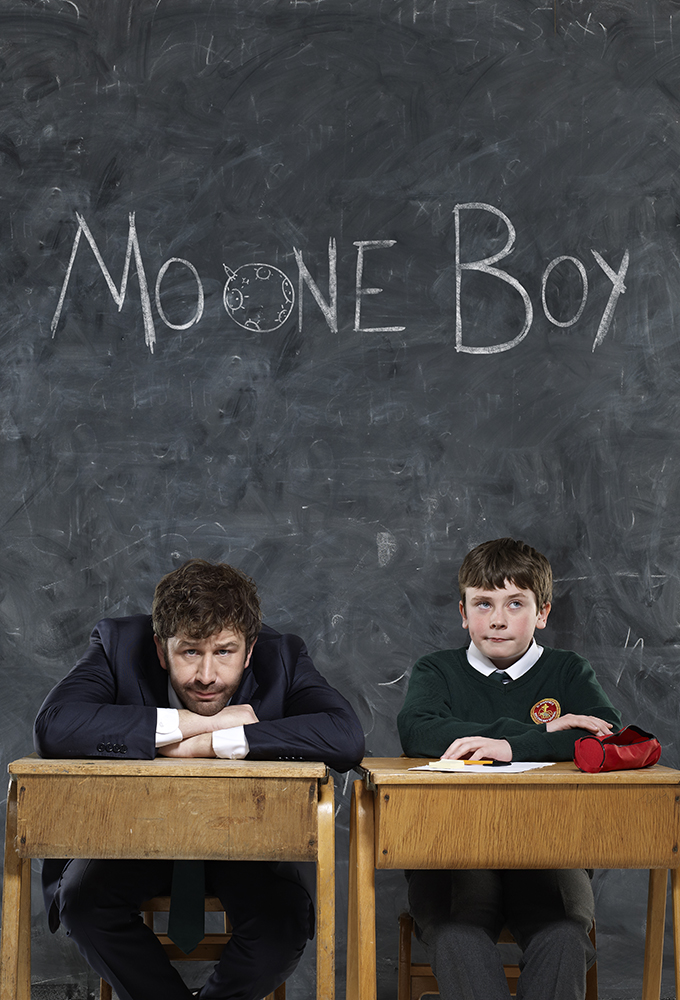
Created by Chris O'Dowd, Moone Boy delivers a sharp yet endearing chronicle of rural Irish youth in the late 1980s and early 1990s. Blending warm family dynamics with quirky animated interludes, the third season completes the eccentric coming-of-age journey of young Martin Moone and Sean, his loquacious imaginary friend. It remains a masterclass in nostalgic humor, grounded in authentic small-town eccentricities and flawless comedic chemistry across its brief, memorable run.
Season: 3
| Watched? | # | Air Date | Episode Name |
|---|---|---|---|
| E1 | Mar 02, 2015 | Where the Streets Do Have Names | |
| E2 | Mar 09, 2015 | The Plunder Years | |
| E3 | Mar 16, 2015 | Fecks, Lies and Videotape | |
| E4 | Mar 23, 2015 | Unidentified Feckin' Objects | |
| E5 | Mar 30, 2015 | Bells 'n' Smells | |
| E6 | Apr 06, 2015 | Gershwin's Bucket List |
Series Legacy & Historical Archive
Franchise Status: Completed; Chris O'Dowd has expressed interest in a future film adaptation or a 'twenty years later' revival, though no active production is confirmed.
Moone Boy remains a definitive pillar of coming-of-age comedy television, having concluded its influential run on Sky One. The series carved out a unique space in the cultural landscape by blending the mundane realities of 1980s and 90s rural Ireland with the whimsical, hand-drawn logic of a young boy's imagination. Its legacy is defined by this warmth and sincerity, avoiding the cynicism often found in sitcoms to instead celebrate the chaotic but loving bonds of the Moone family and the surreal companionship of an invisible best friend.
The show remains a rewatch staple because it captures a specific era of transition, both for the characters and for Ireland itself, with a nostalgic accuracy that transcends its geographic setting. Its DNA can be seen in subsequent hit comedies like Derry Girls, which similarly balance historical specificity with universal adolescent anxieties. By grounding its high-concept premise in genuine heart and sharp wit, Moone Boy secured its status as a timeless piece of television that continues to resonate with new generations of viewers seeking comfort and laughter.