
Why Watch
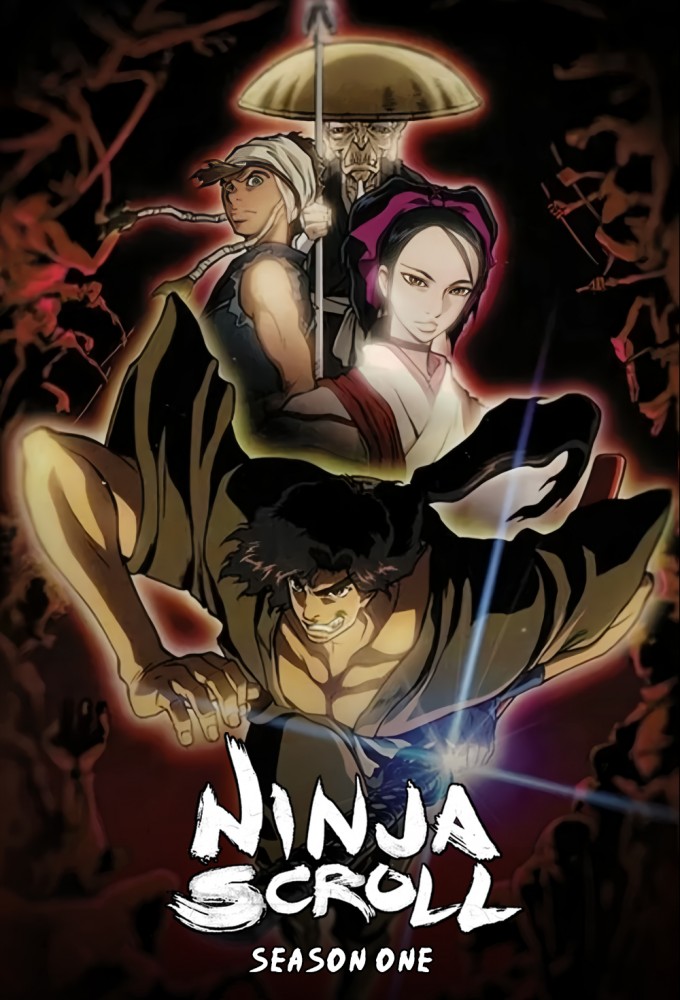
"Relive brutal supernatural swordplay as wandering swordsman Jubei Kibagami cuts through monstrous feudal assassins with unrelenting lethal precision."







AI Critic Analysis
Series Deep Dive:
Serving as an expansive televised continuation of Yoshiaki Kawajiri's landmark anime feature, Ninja Scroll: The Series delivers uncompromising feudal carnage. Wandering mercenary Jubei Kibagami finds himself thrust into conflict over the sacred Dragon Stone, pursued by ruthless demonic factions. With kinetic animation produced by Madhouse, this WOWOW broadcast remains an essential dark fantasy saga. Explore the complete season archive and track air dates across historical releases on Series Reminder.
Season: 1
| Watched? | # | Air Date | Episode Name |
|---|---|---|---|
| E1 | Apr 15, 2003 | ||
| E2 | Apr 22, 2003 | ||
| E3 | Apr 29, 2003 | ||
| E4 | May 06, 2003 | ||
| E5 | May 13, 2003 | ||
| E6 | May 20, 2003 | ||
| E7 | May 27, 2003 | ||
| E8 | Jun 03, 2003 | ||
| E9 | Jun 17, 2003 | ||
| E10 | Jun 24, 2003 | ||
| E11 | Jul 01, 2003 | ||
| E12 | Jul 08, 2003 | ||
| E13 | Jul 15, 2003 |
Series Legacy & Historical Archive
Franchise Status: The franchise currently exists in a dormant state regarding new animation, though the 20th anniversary of the series has sparked renewed interest in potential high-definition remasters and legacy licensing for streaming platforms.
Ninja Scroll: The Series remains a definitive pillar of supernatural action television, having concluded its influential run on WOWOW. Following the journey of the mercenary swordsman Jubei Kibagami, the show successfully translated the visceral aesthetic of the 1993 feature film into a serialized format that expanded the lore of the Dragon Stone and the Kimon Clan. It stands as a testament to early 2000s dark fantasy, utilizing a monster-of-the-week structure that allowed for diverse character designs and inventive combat choreography that pushed the boundaries of televised violence at the time.
The cultural DNA of the series persists through its gritty atmosphere and the archetype of the wandering ronin, which continues to influence modern dark shonen and seinen titles. Fans return to the series for its uncompromising tone and the nostalgic quality of its traditional hand-drawn animation style, which captures a specific era of anime history. By balancing episodic encounters with an overarching political conspiracy involving the Hiruko and Kimon clans, the show secured its place as a rewatch staple for those seeking a mature, action-heavy narrative that prioritizes atmosphere and stylized swordplay over modern tropes.
If you liked Ninja Scroll: The Series:






Technical Details
- Network: WOWOW
- Seasons: 1
- Years: 2003 - 2003
- Genre: Action, Adventure, Animation, Anime, Comedy, Fantasy