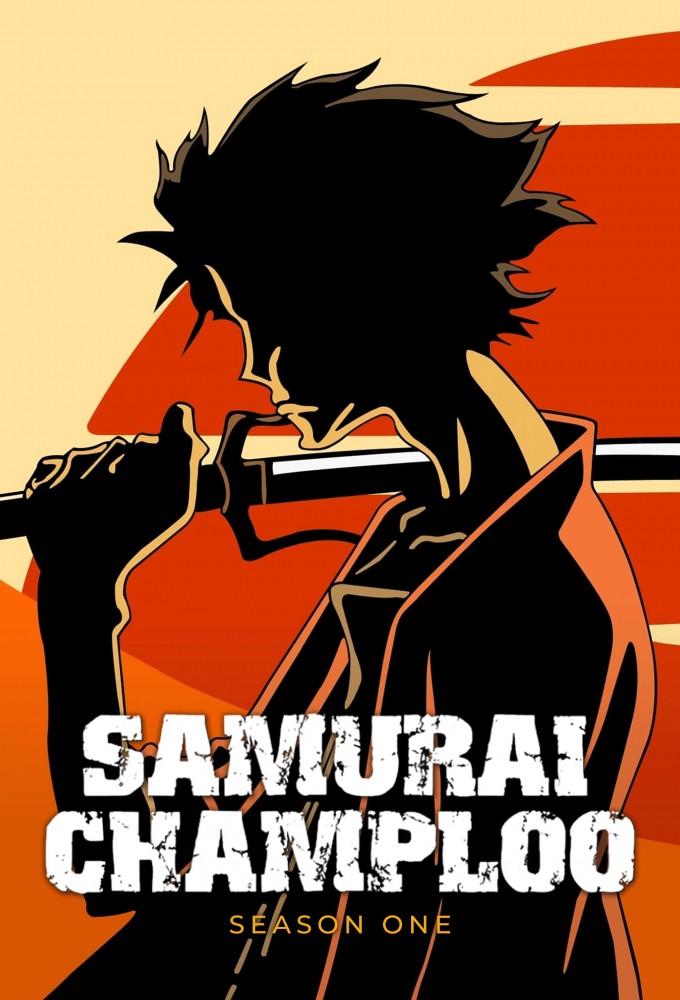

Why Watch
"Shinichiro Watanabe masterfully blends Edo-period swordplay with iconic lo-fi hip-hop beats in this timeless, stylish road-trip adventure."






AI Critic Analysis
Series Deep Dive:
Director Shinichiro Watanabe reinvents historical anime by fusing hip-hop culture with traditional chanbara cinema. Samurai Champloo chronicles the wanderings of Mugen, Jin, and Fuu across Edo-era Japan. Driven by kinetic swordplay, an unforgettable soundtrack curated by Nujabes, and poignant episodic detours, the series delivers a masterclass in style and pacing. Decades later, this complete 26-episode journey remains essential viewing for enthusiasts seeking peerless aesthetic execution and deeply resonant character dynamics.
Season: 1
| Watched? | # | Air Date | Episode Name |
|---|---|---|---|
| E1 | May 20, 2004 | 風怒濤 | |
| E2 | Jun 03, 2004 | 百鬼夜行 | |
| E3 | Jun 10, 2004 | 以心伝心 其之壱 | |
| E4 | Jun 17, 2004 | 以心伝心 其之弐 | |
| E5 | Jun 24, 2004 | 馬耳東風 | |
| E6 | Jul 01, 2004 | 赤毛異人 | |
| E7 | Jul 08, 2004 | 四面楚歌 | |
| E8 | Jul 15, 2004 | 唯我独尊 | |
| E9 | Jul 22, 2004 | 魑魅魍魎 | |
| E10 | Jul 29, 2004 | 以毒制毒 | |
| E11 | Aug 05, 2004 | 堕落天使 | |
| E12 | Aug 12, 2004 | 温故知新 | |
| E13 | Aug 26, 2004 | 暗夜行路 其之壱 | |
| E14 | Sep 02, 2004 | 暗夜行路 其之弐 | |
| E15 | Sep 09, 2004 | 徹頭徹尾 | |
| E16 | Sep 16, 2004 | 酔生夢死 ひと夢 | |
| E17 | Sep 23, 2004 | 酔生夢死 ふた夢 | |
| E18 | Jan 22, 2005 | 文武両道 | |
| E19 | Jan 29, 2005 | 因果応報 | |
| E20 | Feb 05, 2005 | 悲歌慷慨 其之壱 | |
| E21 | Feb 12, 2005 | 悲歌慷慨 其之弐 | |
| E22 | Feb 19, 2005 | 怒髪衝天 | |
| E23 | Feb 26, 2005 | 一球入魂 | |
| E24 | Mar 05, 2005 | 生死流転 其之壱 | |
| E25 | Mar 12, 2005 | 生死流転 其之弐 | |
| E26 | Mar 19, 2005 | 生死流転 其之参 |
Series Legacy & Historical Archive
Franchise Status: Concluded
Samurai Champloo remains a definitive pillar of anime television, having concluded its influential run on Fuji TV. Created by Shinichiro Watanabe, the series successfully bridged the gap between Eastern historical drama and Western urban subculture, creating a unique aesthetic known as champloo or mix. This fusion went beyond mere surface-level visuals, embedding hip-hop philosophy and lo-fi rhythms into the very pacing of the storytelling. Its legacy is cemented by its ability to humanize the marginalized figures of the Edo period, making a centuries-old setting feel immediate and deeply relatable to a modern, global audience.
Fans frequently return to the series because of its incredible atmospheric depth and the iconic soundtrack curated by artists like Nujabes. Unlike many long-running franchises that suffer from narrative bloat, this show offers a tight, self-contained journey that focuses on the transient nature of friendship and the search for identity. The sharp contrast between the wild, unpredictable swordplay of Mugen and the precise, traditional techniques of Jin provides endless visual appeal, while Fuu serves as the emotional heart that binds the trio together. It remains an essential piece of media that proves how stylistic experimentation can result in a timeless masterpiece.
If you liked Samurai Champloo:






Technical Details
- Network: Fuji TV
- Seasons: 1
- Years: 2004 - 2005
- Genre: Action, Adventure, Animation, Anime, Comedy, Drama, Thriller
- Rating: TV-MA