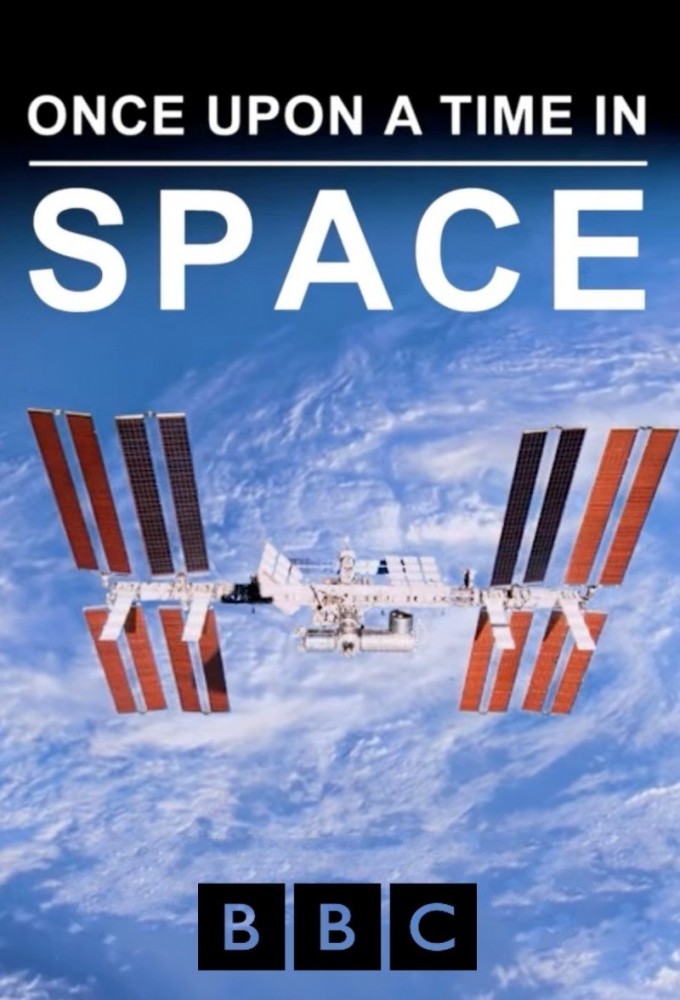

Why Watch
"An arresting, visually stunning journey detailing humanity's boldest cosmic ambitions and the fragile realities of off-world survival."



AI Critic Analysis
Series Deep Dive:
BBC Two delivers an authoritative chronicle with Once Upon a Time in Space, examining interplanetary ambitions through meticulous scientific insight and archival precision. Now completed as a definitive limited run, the series balances technical triumph against geopolitical stakes. Critics laud its sobering exploration of cosmic exploration, avoiding speculative romanticism to confront real logistics. Series Reminder preserves complete broadcast details for viewers tracking legacy factual programming.
Season: 1
| Watched? | # | Air Date | Episode Name |
|---|---|---|---|
| E1 | Oct 27, 2025 | America First | |
| E2 | Nov 03, 2025 | The Russian Thing | |
| E3 | Nov 10, 2025 | Politics Always Wins | |
| E4 | Nov 17, 2025 | Friends Forever |
Production Note - Limited Series
Production Type: Limited Series
Once Upon a Time in Space is a standalone Limited Series designed as a completed, finite historical narrative. This documentary production was conceived as a high-definition retrospective exploring the milestones of human space exploration. By utilizing a four-part structure, the producers aimed to provide a comprehensive look at the past, present, and future of galactic travel without the need for recurring seasonal arcs. The project leveraged significant archival footage and expert interviews to create a self-contained educational experience that fulfills its thematic goals within its set episode count.
The decision to produce the series as a finite run stems from its specific focus on the chronological evolution of aerospace technology and international cooperation. Rather than adopting an open-ended format, the creators prioritized a structured timeline that concludes with contemporary missions and upcoming lunar prospects. This approach ensures that the narrative remains concise and authoritative, serving as a definitive record of the subject matter. As a result, the production reached its natural conclusion upon the broadcast of its final chapter, leaving the work as a singular, complete contribution to the historical documentary genre.
If you liked Once Upon a Time in Space:





Technical Details
- Network: BBC Two
- Seasons: 1
- Years: 2025 - 2025
- Genre: Documentary