

Why Watch
"Delve into an unconventional domestic arrangement that challenges traditional romantic dynamics with biting humor and genuine emotional friction."
Tone: Witty, Unconventional Romantic Comedy
AI Critic Analysis
Series Deep Dive:
TBS (JP) brings a fresh, provocative edge to domestic relationship dynamics in Two Husbands, One Wife. Anchored by sharp performances, this closed-ended comedy interrogates traditional partnership models with sharp humor and nuanced pathos. The central trio navigates social expectations and personal desires, turning an absurd premise into an astute, grounded character study. The series delivers a brisk, complete arc that balances lighthearted situational farce with genuine domestic intimacy.
Analysis Refined:March 2026
Scheduled next refinement: in 351 days
Season: 1
| Watched? | # | Air Date | Episode Name |
|---|---|---|---|
| E1 | Apr 09, 2025 | 3人で夫婦になってみませんか? | |
| E2 | Apr 16, 2025 | カタブツ男、婚活に走る!? | |
| E3 | Apr 23, 2025 | 温泉で親密度アップ計画? | |
| E4 | Apr 30, 2025 | 3人の場合、エッチはどうしますか!? | |
| E5 | May 07, 2025 | 嫉妬!嫉妬!嫉妬! | |
| E6 | May 14, 2025 | キスから始まる夫と夫 | |
| E7 | May 21, 2025 | 家出妻!?どうする夫と夫! | |
| E8 | May 28, 2025 | 3人で愛し合う日 | |
| E9 | Jun 04, 2025 | 三人夫婦より友婚!? | |
| E10 | Jun 11, 2025 | プロポーズは決裂!? | |
| E11 | Jun 18, 2025 | 3人が選んだ夫婦のカタチ |
Series Legacy & Historical Archive
Franchise Status: Concluded Historical Archive
Two Husbands, One Wife remains a definitive pillar of television, having concluded its influential run on TBS (JP). The romantic comedy drama captivated domestic viewers through its unconventional premise, navigating complex marital commitments with surprising emotional depth and wit. Anchored by stellar lead performances, it challenged traditional domestic expectations while preserving classic narrative charm.
Today, Two Husbands, One Wife endures as a memorable broadcast achievement, continuing to attract vintage drama enthusiasts worldwide who appreciate its sharp thematic balance and evocative cultural reflection.
Today, Two Husbands, One Wife endures as a memorable broadcast achievement, continuing to attract vintage drama enthusiasts worldwide who appreciate its sharp thematic balance and evocative cultural reflection.
Oracle Insights Refined:September 2026
Scheduled next refinement: in 412 days
If you liked Two Husbands, One Wife:

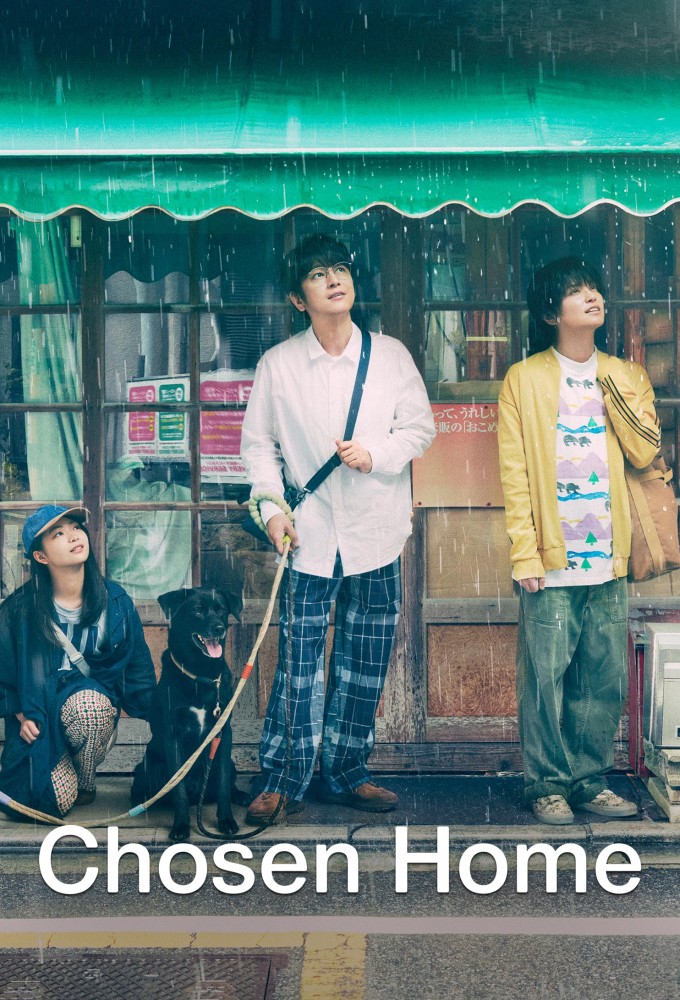






Trailer
Frequently Asked Questions
Two Husbands, One Wife was produced as a single-season Japanese television drama. The series consists of a single complete season comprising 8 episodes, typical of standard Japanese prime-time drama formats.
The series concluded its original broadcast on TBS in Japan upon finishing its scheduled 8-episode narrative arc. It was not cancelled abruptly; rather, it reached its natural conclusion as a self-contained limited drama.
There are no credible reports, development announcements, or official plans from TBS regarding a second season or revival. The production concluded fully with its original storyline and is treated as a completed legacy project.
No canonical spin-offs, prequels, web specials, or cinematic sequels were developed for Two Husbands, One Wife. The story remains confined entirely to its original episodic television release.
The drama revolves around an unconventional domestic arrangement exploring themes of modern relationships, romance, and societal expectations. It presents a comedic and emotional narrative about one woman navigating a dynamic partnership involving two husbands.
The drama originally aired on the Tokyo Broadcasting System television network, commonly known as TBS, in Japan. It was broadcast during their regular domestic drama programming blocks.
FAQ Refined:March 2026
Scheduled next refinement: in 337 days