Why Watch
"Relive the chaotic, 8-bit retro gaming workplace comedy that satirizes 1980s tech culture with razor-sharp irreverence."
AI Critic Analysis
Series Deep Dive:
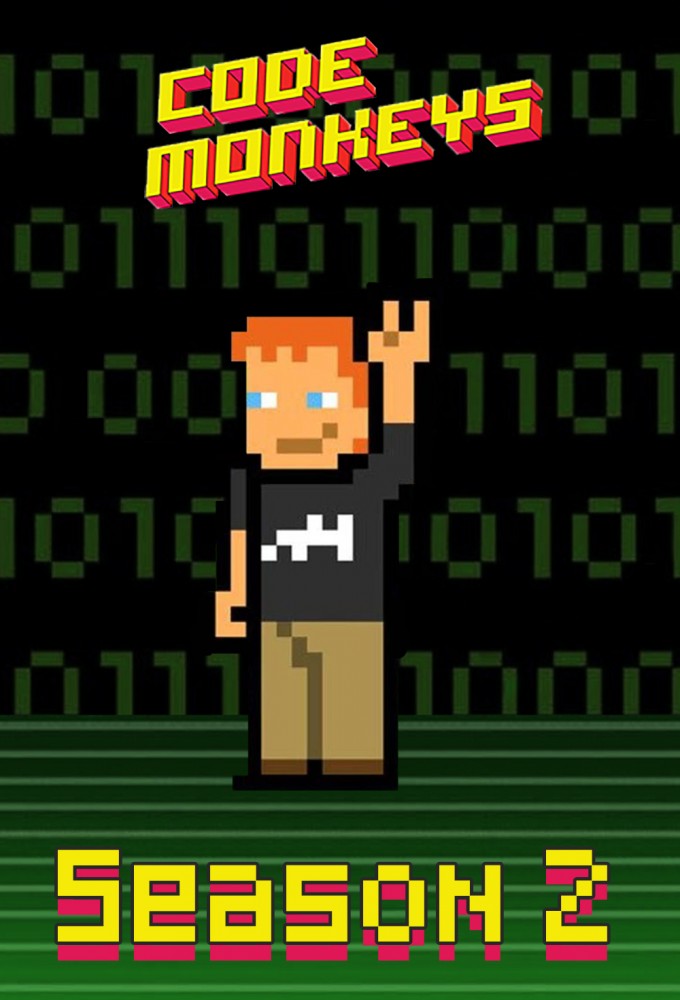
Animated entirely in an authentic 8-bit video game aesthetic, Code Monkeys chronicles the dysfunctional coders at Gameavision during the home computer boom. Season 2 elevates the workplace chaos with acerbic industry parodies, historical insider jokes, and unhinged tech company rivalries. Adam de la Peña's cult comedy remains a sharp relic of mid-2000s television, capturing a pivotal moment in gaming culture with unfiltered, pixelated wit and unapologetic nostalgia.
Season: 2
| Watched? | # | Air Date | Episode Name |
|---|---|---|---|
| E1 | Apr 20, 2008 | The Story of 420 | |
| E2 | Jun 01, 2008 | Psychological Problems | |
| E3 | Jun 08, 2008 | My Pal Jodie | |
| E4 | Jun 15, 2008 | Dave Gets Boobs | |
| E5 | Jun 22, 2008 | Valley of the Silicon Dolls | |
| E6 | Jun 29, 2008 | The Kid is Mine | |
| E7 | Jul 06, 2008 | Dean in Charge | |
| E8 | Jul 13, 2008 | Drunken Office Party | |
| E9 | Jul 20, 2008 | Trouble in the Middle East | |
| E10 | Jul 27, 2008 | Benny's Birthday | |
| E11 | Aug 03, 2008 | The Great Recession | |
| E12 | Aug 10, 2008 | Dave's Day Off | |
| E13 | Aug 17, 2008 | Car Robber Sunnyvale |
Series Legacy & Historical Archive
Franchise Status: Dormant, though creator Adam de la Pena has occasionally teased potential revival concepts or spiritual successors in independent formats.
Code Monkeys remains a definitive pillar of animated sitcom television, having concluded its influential run on G4. The series carved out a unique niche by utilizing a 2D 8-bit pixel art aesthetic that mirrored the aesthetic of the early 1980s gaming era it parodied. By blending workplace comedy tropes with a cynical, counter-culture perspective on the burgeoning tech industry, it captured the specific zeitgeist of early computer programming and the chaotic birth of the video game industry. Its commitment to the bit, including simulated scan lines and a chiptune soundtrack, established a visual language that paved the way for modern retro-inspired media.
The show remains a rewatch staple for fans due to its dense layering of authentic gaming history and its unapologetic, crude humor that defined the late-night cable era. Beyond the nostalgic surface, the dynamic between Dave and Jerry serves as a timeless anchor for the absurdity of the Gameavision corporate environment. As the gaming industry has grown into a global powerhouse, the show’s satirical take on crunch culture and creative ego feels increasingly prophetic. It stands as a preserved artifact of a specific transition point in media history, retaining a cult following that values its uncompromising commitment to its pixelated vision.
If you liked Code Monkeys:







Technical Details
- Network: G4
- Seasons: 2
- Years: 2007 - 2008
- Genre: Animation, Comedy
- Rating: TV-14