
Why Watch
"Experience British television at its bleakest with this brutally funny, unapologetic masterclass in animated urban satire."
AI Critic Analysis
Series Deep Dive:
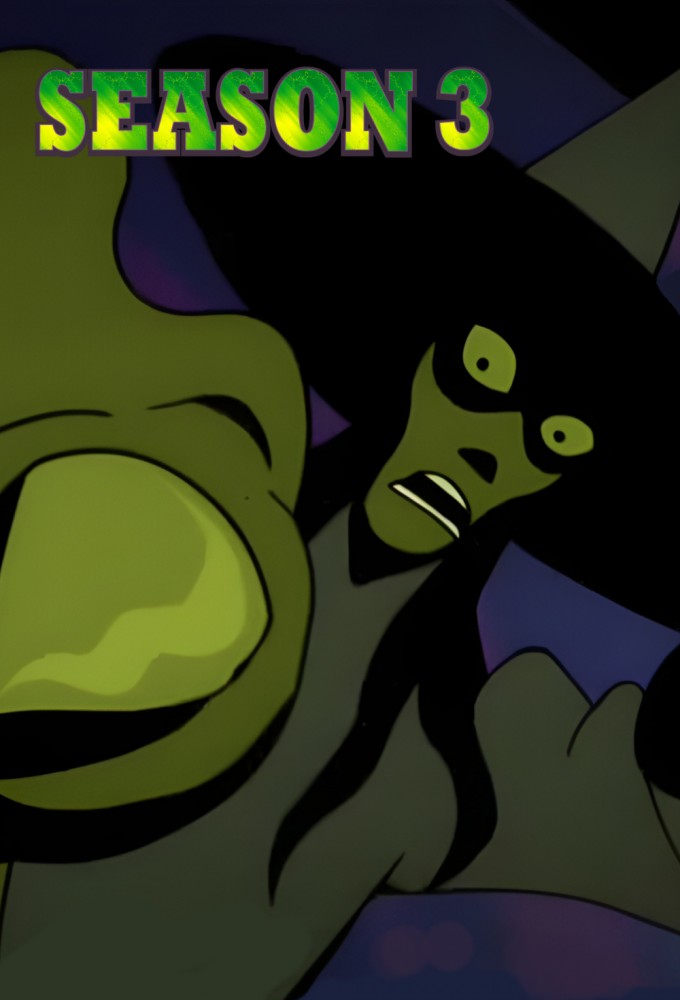
A defining cornerstone of adult animation, Monkey Dust delivers an uncompromising look into modern neuroses and societal decay. Across its run on BBC Three, the sketch series combined stark visuals with unforgiving gallows humor to dissect British life. Season 3 marks the definitive conclusion of this cult favorite, cementing its legacy as an unvarnished, daring piece of television comedy that remains unmatched in sheer audacity.
Season: 3
| Watched? | # | Air Date | Episode Name |
|---|---|---|---|
| E1 | Jan 04, 2005 | Episode 1 | |
| E2 | Jan 11, 2005 | Episode 2 | |
| E3 | Jan 18, 2005 | Episode 3 | |
| E4 | Jan 25, 2005 | Episode 4 | |
| E5 | Feb 01, 2005 | Episode 5 | |
| E6 | Feb 08, 2005 | Episode 6 |
Series Legacy & Historical Archive
Franchise Status: Concluded
Monkey Dust remains a definitive pillar of adult animated television, having concluded its influential run on BBC Three. This series carved out a unique space in the early 2000s by blending pitch-black satire with a haunting, multi-style aesthetic that targeted the anxieties of modern British life. Its legacy is defined by a refusal to pull punches, tackling taboo subjects and societal decay with a nihilism that was both shocking and deeply perceptive. By utilizing various animation houses for different recurring sketches, the show created a fragmented, disorienting world that perfectly mirrored the urban alienation it sought to critique.
The enduring appeal of the series as a rewatch staple lies in its uncompromising vision and the tragic brevity of its run following the death of co-creator Harry Thompson. Fans return to the show not just for its cult characters like the Paedofinder General or Clive the pathological liar, but for its atmospheric score and its ability to capture a specific era of cynical, post-millennial culture. It remains a high-water mark for transgressive comedy, influencing a generation of creators who seek to find humor in the darkest corners of the human condition.
If you liked Monkey Dust:




Technical Details
- Network: BBC Three
- Seasons: 3
- Years: 2003 - 2005
- Genre: Animation, Comedy, Horror
- Rating: TV-MA