

Why Watch
"Relive groundbreaking early CGI animation and quirky musical numbers in this nostalgic adaptation of Nintendo's iconic jungle platformer."










AI Critic Analysis
Series Deep Dive:
A pioneering milestone in early computer-animated television, Donkey Kong Country translates rare video game lore into an anarchic, musical comedy. Season 2 finds Donkey Kong defending the mystical Crystal Coconut from King K. Rool's bumbling Kremlings across Kongo Bongo Island. Driven by unexpected Broadway-style song sequences and distinct character dynamics, this completed retro series remains a fascinating time capsule of late-nineties digital animation for devoted gaming historians and animation enthusiasts alike.
Season: 2
| Watched? | # | Air Date | Episode Name |
|---|---|---|---|
| E1 | Dec 23, 1999 | The Kongo Bongo Festival of Lights | |
| E2 | Jan 07, 2000 | Hooray for Holly-Kongo Bongo | |
| E3 | Jan 12, 2000 | Speak No Evil, Dude | |
| E4 | Jan 19, 2000 | The Day the Island Stood Still | |
| E5 | Jan 21, 2000 | Message in a Bottle Show | |
| E6 | Jan 31, 2000 | Monkey Seer, Monkey Do | |
| E7 | Mar 03, 2000 | Four Weddings and a Coconut | |
| E8 | Apr 07, 2000 | Vote of Kong-fidence | |
| E9 | Apr 14, 2000 | Follow That Coconut | |
| E10 | May 05, 2000 | The Big Switch-a-Roo | |
| E11 | Jun 02, 2000 | Hunka Hunka Burnin' Bluster | |
| E12 | Jun 09, 2000 | Best of Enemies | |
| E13 | Jun 16, 2000 | It's a Wonderful Life | |
| E14 | Jul 07, 2000 | Just Kidding |
Series Legacy & Historical Archive
Franchise Status: Legacy Series
Donkey Kong Country remains a definitive pillar of animated television, having concluded its influential run on Fox Kids. As one of the earliest programs to utilize motion-capture technology and full 3D computer-generated imagery, the series bridged the gap between the 16-bit gaming revolution and the burgeoning era of digital entertainment. While its visual fidelity reflects the technical limitations of the late nineties, the show succeeded in expanding the lore of the Kong family beyond the Super Nintendo controllers. It introduced a whimsical, musical format that gave a distinct voice to characters like Diddy Kong and King K. Rool, cementing its place as a bold experiment in multimedia synergy.
The show persists as a rewatch staple primarily due to its surreal charm and the infectious energy of its original musical numbers. Fans return to the series not just for nostalgia, but to appreciate its unique interpretation of the Donkey Kong universe, which often leaned into absurdist humor and surprisingly complex character dynamics. In an era where many video game adaptations were mere marketing tools, this series established a standalone identity that continues to fuel internet culture and meme history. Its legacy as a pioneer of the CGI format ensures it remains a fascinating artifact of television history for both animation enthusiasts and lifelong gamers.
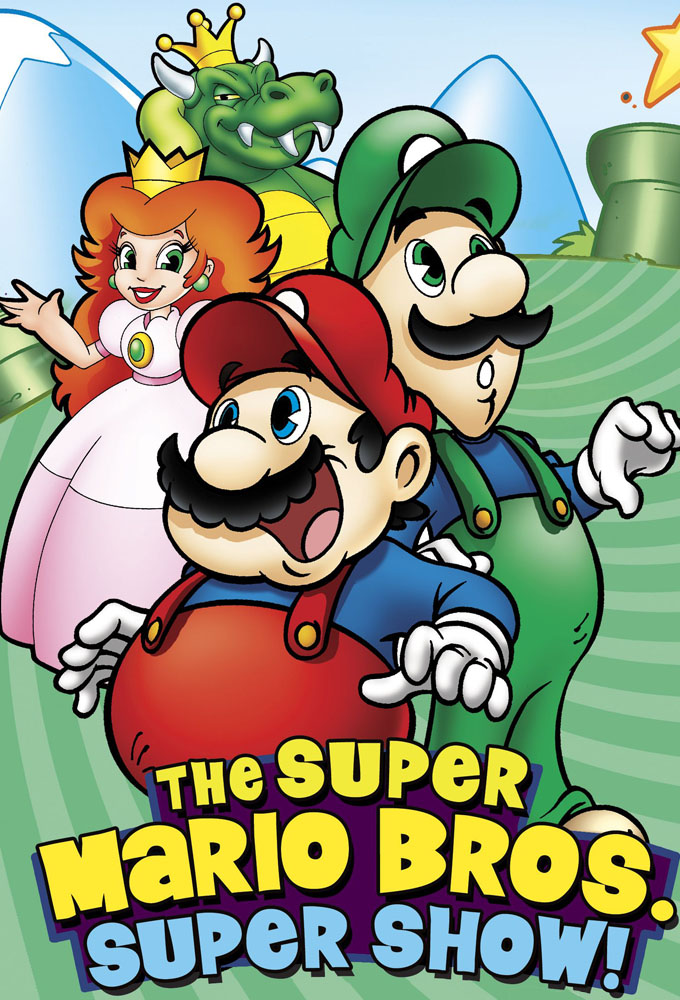
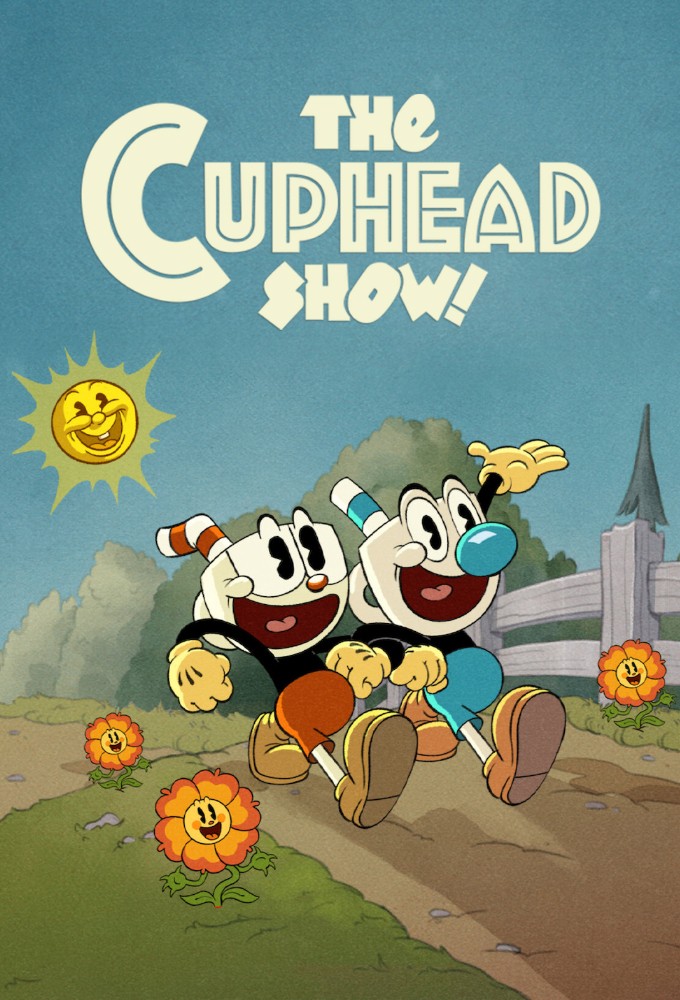
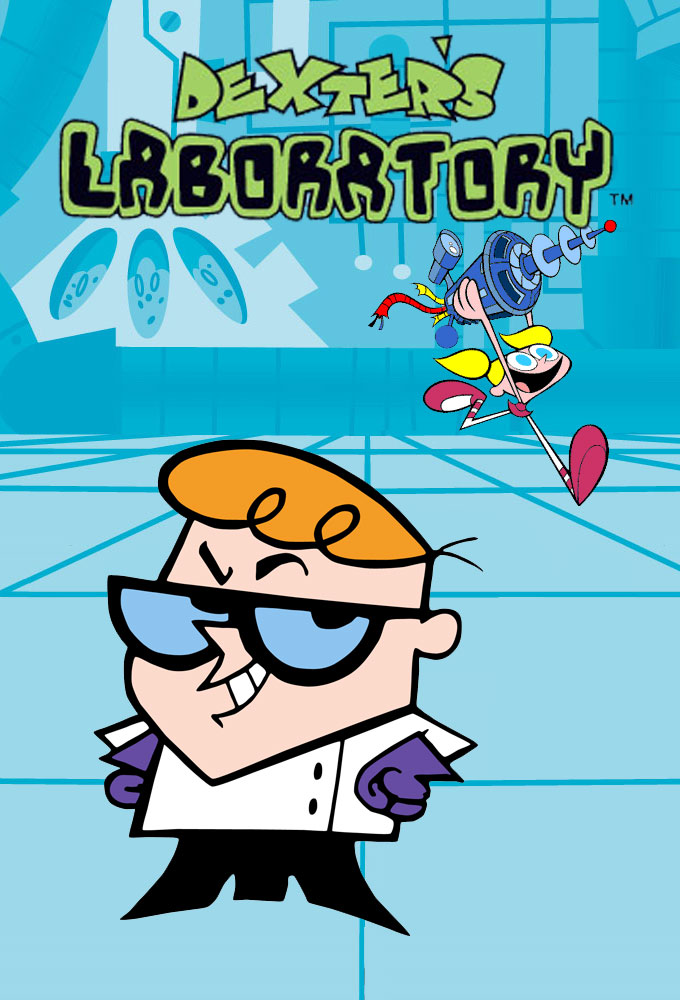
If you liked Donkey Kong Country:




Technical Details
- Network: Fox Family
- Seasons: 2
- Years: 1998 - 2000
- Genre: Action, Adventure, Animation, Comedy, Family, Musical