

Why Watch
"Savor genuine Northern pub wit, effortless deadpan humor, and warm community camaraderie in this criminally underrated British comedy classic."
Tone: Deadpan, Heartfelt, Observational Sitcom
AI Critic Analysis
Series Deep Dive:
Craig Cash and Phil Mealey turn a humble Stockport pub into comedic gold. Early Doors Season 2 deepens the gentle absurdities of landlord Ken and his eccentric regulars. Driven by naturalistic dialogue, pint-glass philosophy, and dry Northern banter, the BBC Two sitcom eschews high-stakes drama for human connection. It remains a masterclass in understated character study, delivering timeless laughs through the rhythmic warmth of daily routine.
Analysis Refined:March 2026
Scheduled next refinement: in 437 days
Season: 2
| Watched? | # | Air Date | Episode Name |
|---|---|---|---|
| E1 | Sep 13, 2004 | Sad News at the Grapes | |
| E2 | Sep 20, 2004 | Feeling Poorly | |
| E3 | Sep 27, 2004 | Quiz Night | |
| E4 | Oct 04, 2004 | Do You Like the Circus? | |
| E5 | Oct 11, 2004 | Practice | |
| E6 | Oct 18, 2004 | Part Time |
Series Legacy & Historical Archive
Franchise Status: Concluded Historical Archive
Early Doors remains a definitive pillar of television, having concluded its influential run on BBC Two. Co-created by Craig Cash and Phil Mealey, this masterclass in understated British comedy captured the quiet, rhythmic banter of a humble Stockport pub. Eschewing flashy set pieces for pitch-perfect observation, the ensemble piece elevated ordinary working-class dialogue into rich character studies. While successful live arena tours later revisited these cherished patrons, the televised gem stands preserved as an irreplaceable, warm-hearted relic of sitcom brilliance.
Oracle Insights Refined:March 2026
Scheduled next refinement: in 455 days
If you liked Early Doors:
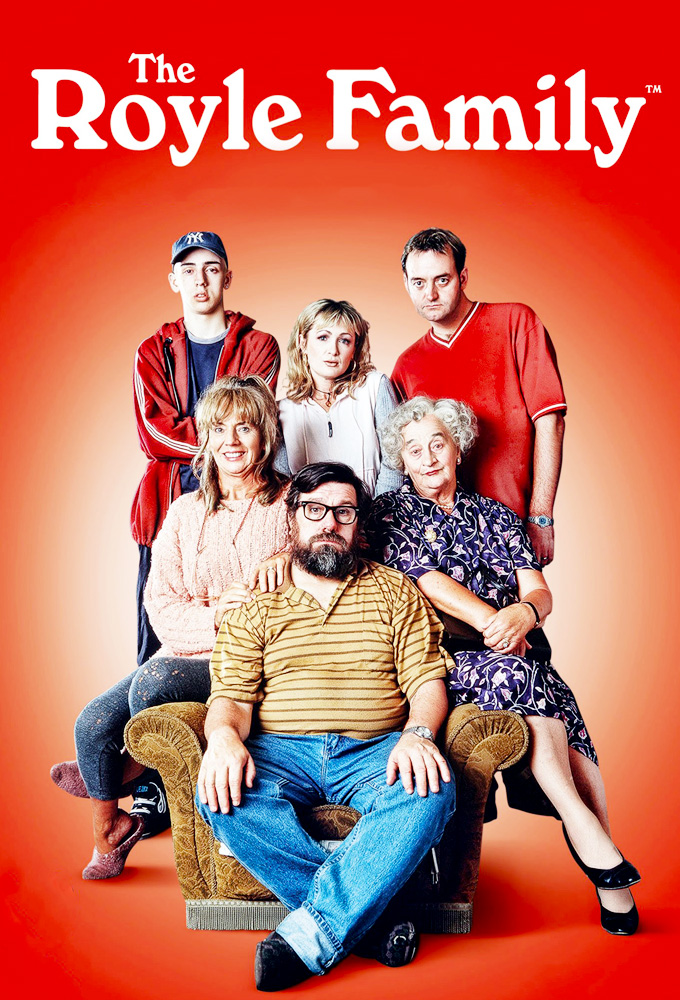

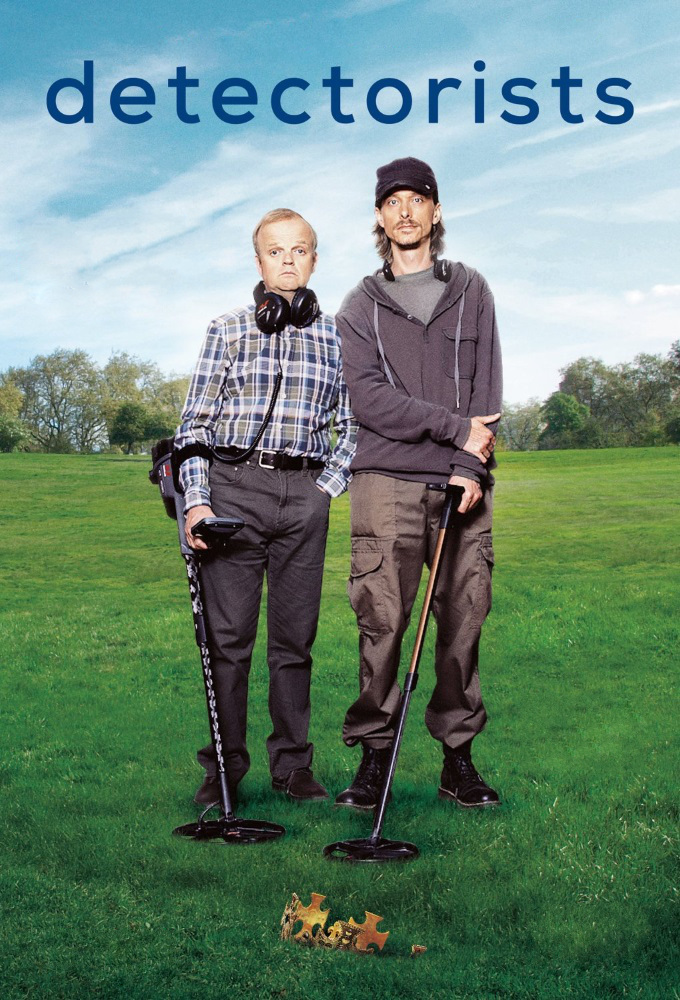


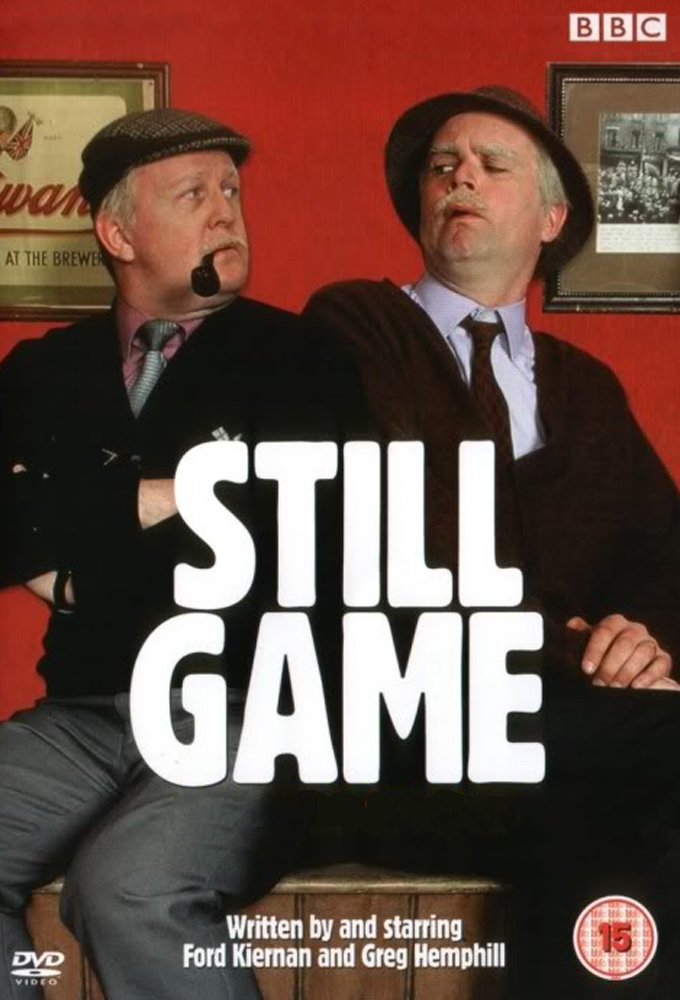
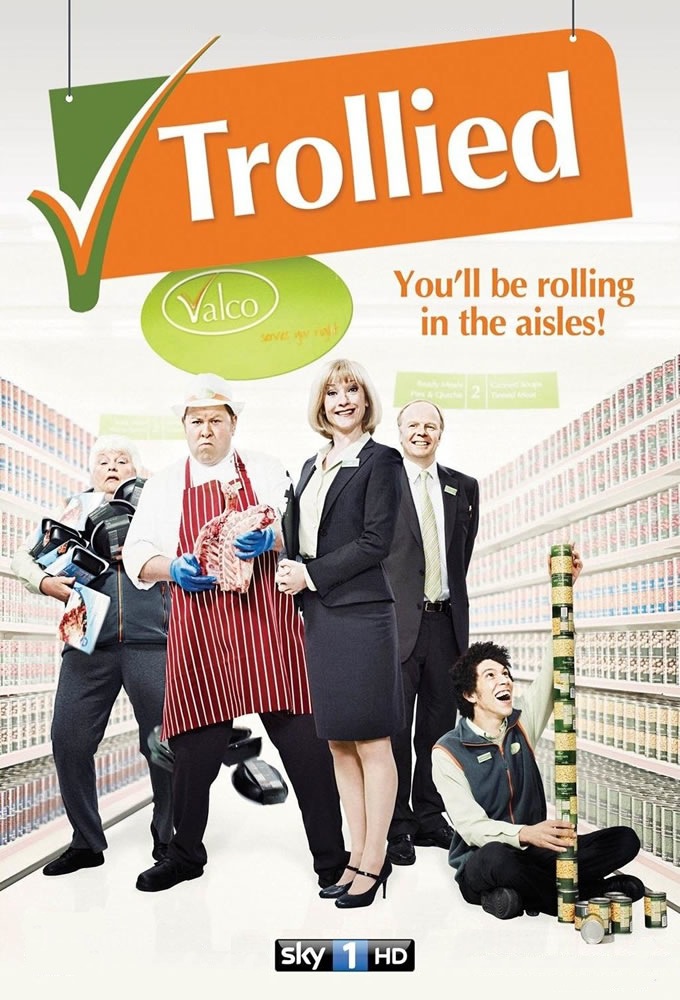

Frequently Asked Questions
There are a total of two seasons of Early Doors, which originally aired on the BBC between 2003 and 2004. Each season consists of six episodes, making for a complete series run of twelve episodes.
The series ended because creators Craig Cash and Phil Mealey felt they had reached a natural creative conclusion with the characters in The Grapes. It was not canceled for low ratings, but rather concluded voluntarily to ensure the show maintained its high quality and cult status.
While there are no confirmed plans for a television revival, the show returned for a highly successful UK live stage tour in 2018 and 2019. The popularity of the tour sparked rumors of a screen return, but the creators have yet to announce any formal production for a third season.
There are currently no official television spin-offs or companion series featuring the characters from Early Doors. The show remains a standalone work, though it shares a similar creative tone and writing style with Craig Cash's other famous sitcom, The Royle Family.
No, Early Doors was never officially canceled by the network due to poor performance. The decision to stop after two seasons was a choice made by the writers to exit while the show was at its peak, a common practice for many acclaimed British comedies.
The narrative continuation of the series exists primarily through the Early Doors Live stage show which toured major venues in 2018. This production reunited much of the original cast and provided fans with a look at the characters several years after the original series ended.
FAQ Refined:March 2026
Scheduled next refinement: in 162 days