

Why Watch
"Delight in Craig McCracken's vibrant, chaotic masterpiece celebrating boundless childhood imagination, brilliant slapstick, and deeply endearing misfits."





AI Critic Analysis
Series Deep Dive:
Craig McCracken's Foster's Home for Imaginary Friends remains a pinnacle of mid-2000s animation. Season 6 brings this acclaimed saga to a spirited close, cementing Mac and Bloo's chaotic bond alongside Wilt, Eduardo, and Coco. Celebrated for its revolutionary digital-vector art, fast-paced humor, and heartfelt storytelling, the final run honors childhood wonder. Foster's Home preserves a vibrant creative legacy on Cartoon Network that still resonates with animation enthusiasts worldwide.
Season: 6
| Watched? | # | Air Date | Episode Name |
|---|---|---|---|
| E1 | Mar 13, 2008 | Jackie Khones and the Case of the Overdue Library Crook | |
| E2 | Apr 10, 2008 | Mondo Coco | |
| E3 | Apr 24, 2008 | Pranks for Nothing | |
| E4 | May 08, 2008 | Bloo Tube | |
| E5 | May 29, 2008 | Race for Your Life Mac & Bloo | |
| E6 | Nov 27, 2008 | Destination: Imagination (1) | |
| E7 | Nov 27, 2008 | Destination: Imagination (2) | |
| E8 | Nov 27, 2008 | Destination: Imagination (3) | |
| E9 | May 03, 2009 | The Bloo Superdude and the Great Creator of Everything's Awesome Ceremony of Fun That He's Not Invited To | |
| E10 | May 03, 2009 | Bad Dare Day | |
| E11 | May 03, 2009 | Read 'Em and Weep | |
| E12 | May 03, 2009 | Fools and Regulations | |
| E13 | May 03, 2009 | Goodbye to Bloo |
Series Legacy & Historical Archive
Franchise Status: Revival in development at Hanna-Barbera Studios Europe as a preschool-oriented spin-off series.
Foster's Home for Imaginary Friends remains a definitive pillar of animated television, having concluded its influential run on Cartoon Network. The series redefined the aesthetic possibilities of Flash animation, utilizing a vibrant, vector-based art style that allowed for fluid physical comedy and an infinite variety of creature designs. Its legacy is rooted in the chaotic yet heartfelt chemistry between Mac and Bloo, which balanced childhood innocence with a cynical, fast-paced humor that appealed to both children and adults during the mid-2000s.
The show remains a rewatch staple due to its masterful world-building and the timeless exploration of the bond between creator and creation. By treating imaginary friends as a marginalized but celebrated demographic, the narrative tackled themes of abandonment, loyalty, and the inevitable transition into maturity. Its impact is still seen in modern character-driven comedies that prioritize high-concept visual gags and an ensemble cast of distinct, idiosyncratic personalities.
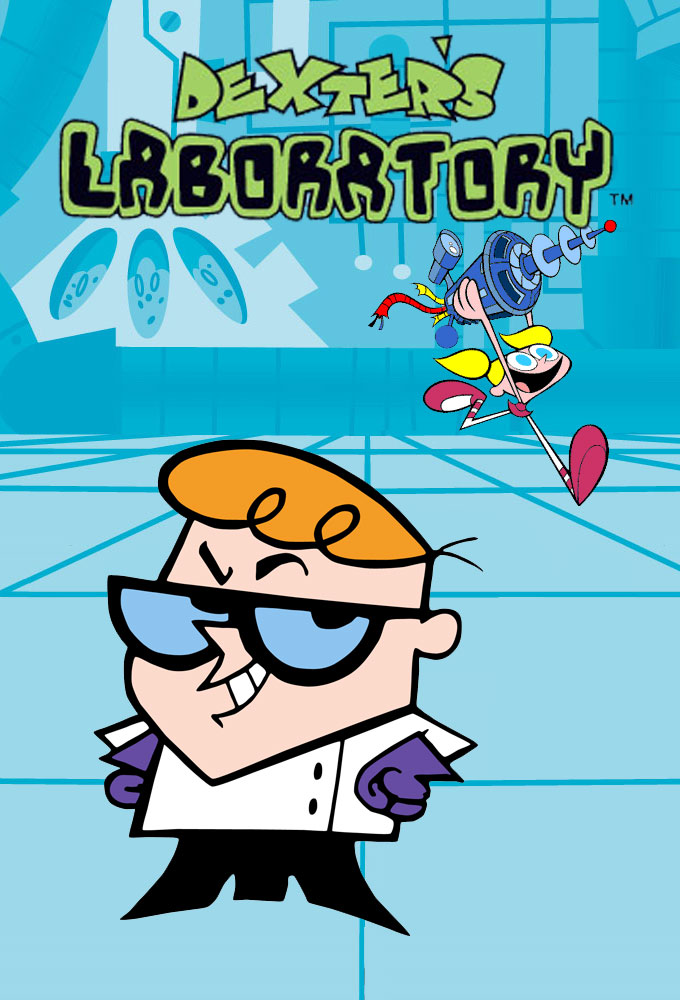
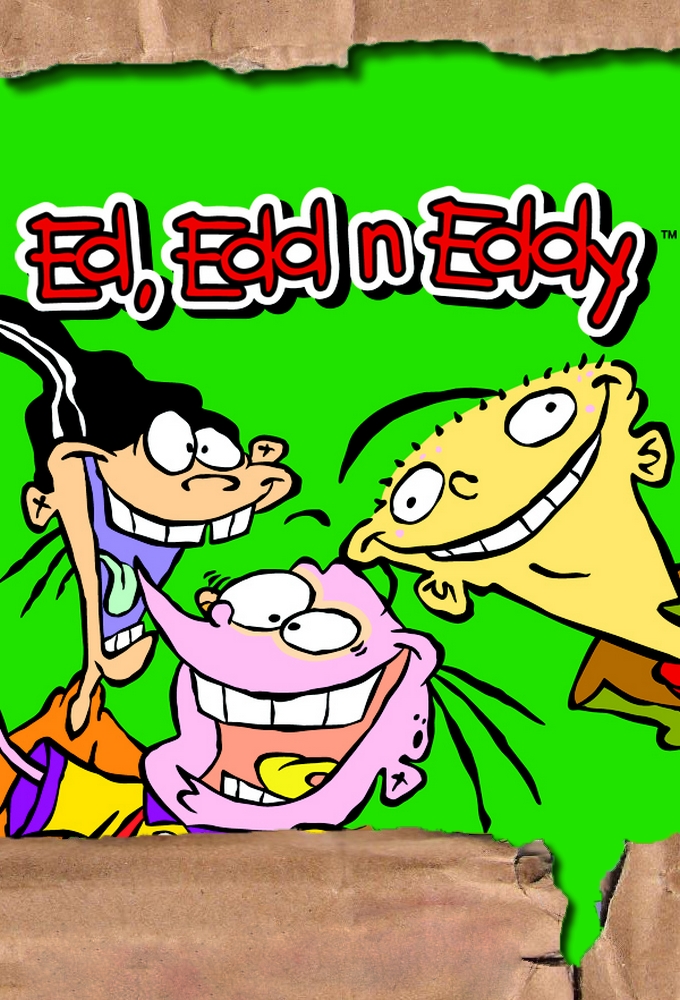
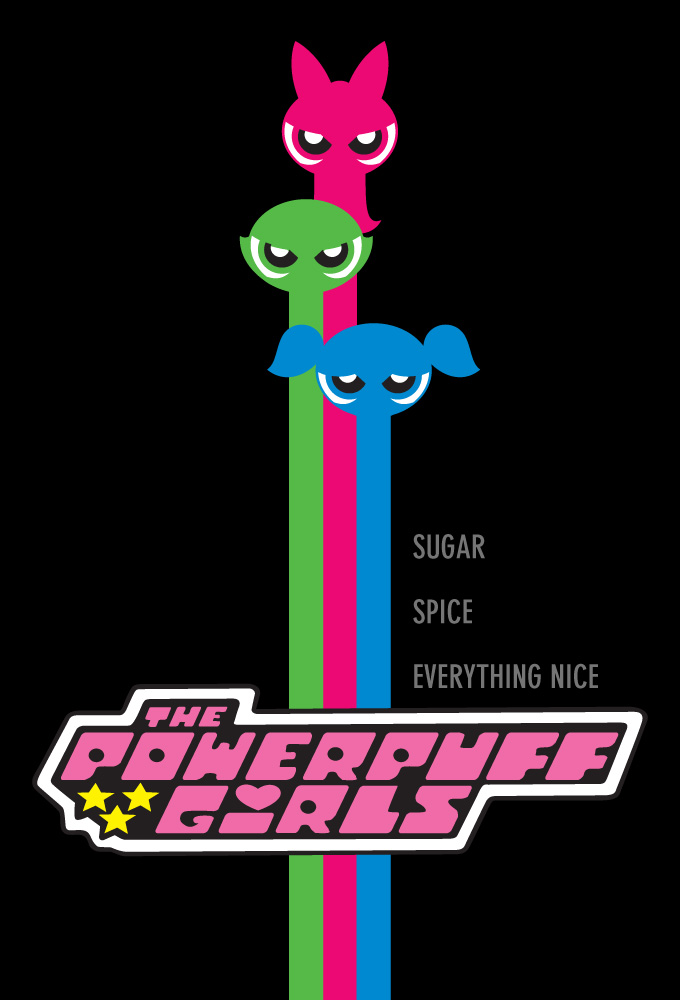
If you liked Foster's Home for Imaginary Friends:



Technical Details
- Network: Cartoon Network
- Seasons: 6
- Years: 2004 - 2009
- Genre: Adventure, Animation, Children, Comedy, Family, Fantasy
- Rating: TV-Y7