

Why Watch
"Paul Giamatti anchors a fiercely grounded, award-winning look at the flawed humans who forged American independence."







AI Critic Analysis
Series Deep Dive:
HBO presents a definitive historical landmark in John Adams, trading patriotic myth for tactile, unvarnished statecraft. Directed by Tom Hooper, the miniseries thrives on the combustible dynamic between Paul Giamatti and Laura Linney as Abigail Adams. From chaotic continental congresses to lonely European embassies, it chronicles the grueling birth of a republic through meticulous production, razor-sharp dialogue, and unflinching political realism.
Season: 1
| Watched? | # | Air Date | Episode Name |
|---|---|---|---|
| E1 | Mar 16, 2008 | Join or Die | |
| E2 | Mar 16, 2008 | Independence | |
| E3 | Mar 23, 2008 | Don't Tread on Me | |
| E4 | Mar 30, 2008 | Reunion | |
| E5 | Apr 06, 2008 | Unite or Die | |
| E6 | Apr 13, 2008 | Unnecessary War | |
| E7 | Apr 20, 2008 | Peacefield |
Production Note - Limited Series
Production Type: Miniseries
John Adams is a standalone Miniseries designed as a completed, finite historical narrative. The production was conceived as a high-budget, seven-part event to chronicle the life of the second U.S. President and his role in the founding of the United States. Because it covers the entirety of Adams' adult life through his death, the project was structured from its inception to be a singular, self-contained television event without the possibility of subsequent seasons.
The scale of the production was immense, utilizing elaborate period sets and a vast international cast to ensure historical accuracy. By adapting a comprehensive biography into a fixed number of episodes, the creators ensured that the story reached a definitive conclusion. This format allowed the narrative to maintain a focused pace, concluding exactly where the historical record ends, thus preserving its status as a complete historical document.
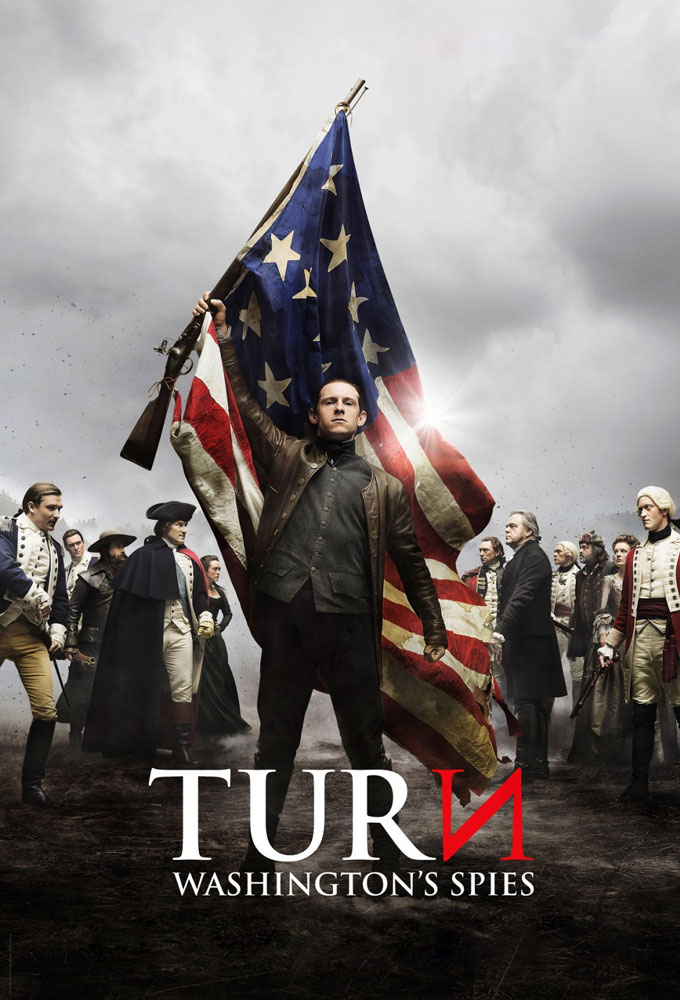
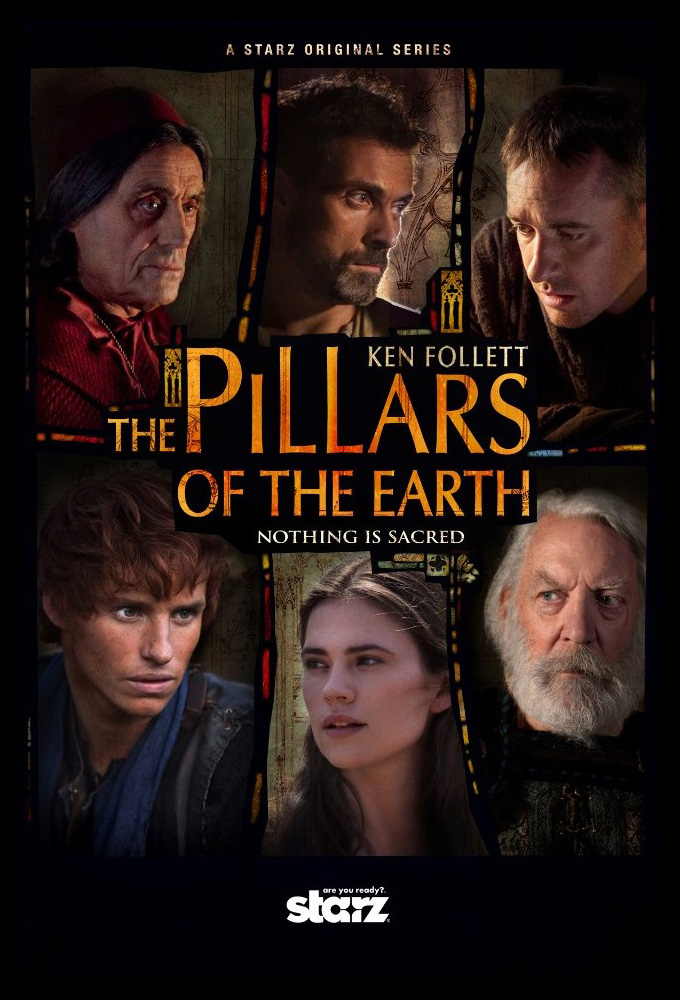
If you liked John Adams:








Technical Details
- Network: HBO
- Seasons: 1
- Years: 2008 - 2008
- Genre: Drama, History, Mini-Series
- Rating: TV-14