

Why Watch
"Elle Fanning delivers a chilling, nuanced portrait of modern adolescence and tragedy in this gripping true-crime dramatization."






AI Critic Analysis
Series Deep Dive:
Hulu’s The Girl from Plainville tackles the infamous texting suicide case with rare restraint and emotional precision. Anchored by an astonishing central performance from Elle Fanning as Michelle Carter, the limited series examines toxic teenage isolation, mental illness, and digital intimacy. Rather than sensationalizing tragedy, creators Liz Hannah and Patrick Macmanus construct an unsettling, deeply empathetic character study that probes the devastating consequences of living life largely through glowing screens.
Season: 1
| Watched? | # | Air Date | Episode Name |
|---|---|---|---|
| E1 | Mar 29, 2022 | Star-Crossed Lovers and Things Like That | |
| E2 | Mar 29, 2022 | Turtle | |
| E3 | Mar 29, 2022 | Never Have I Ever | |
| E4 | Apr 05, 2022 | Can’t Fight This Feeling | |
| E5 | Apr 12, 2022 | Mirrorball | |
| E6 | Apr 19, 2022 | Talking Is Healing | |
| E7 | Apr 26, 2022 | Teenage Dirtbag | |
| E8 | May 03, 2022 | Blank Spaces |
Production Note - Limited Series
Production Type: Limited Series
The Girl from Plainville is a standalone Limited Series designed as a completed, finite historical narrative. Developed for Hulu by Liz Hannah and Patrick Macmanus, the production explores the real-life case of Michelle Carter and Conrad Roy III. The series was meticulously crafted to adapt the original Esquire article by Jesse Barron, focusing on the complex relationship between the two teenagers and the unprecedented legal battle that followed. By centering the production on a specific court case with a known outcome, the creators ensured the narrative remained contained within its eight-episode structure.
The series features a high-caliber cast led by Elle Fanning and was produced by Universal Content Productions as a prestige television event. As a true-crime dramatization of a closed legal matter, the project was never intended to serve as a multi-season procedural or an ongoing drama. The finale provides a definitive conclusion to the legal proceedings and the character arcs, aligning with the industry standard for limited series that prioritize a comprehensive beginning, middle, and end. This finite approach allowed the production to maintain thematic focus on the impact of digital communication and mental health without extending beyond the factual boundaries of the case.
If you liked The Girl from Plainville:
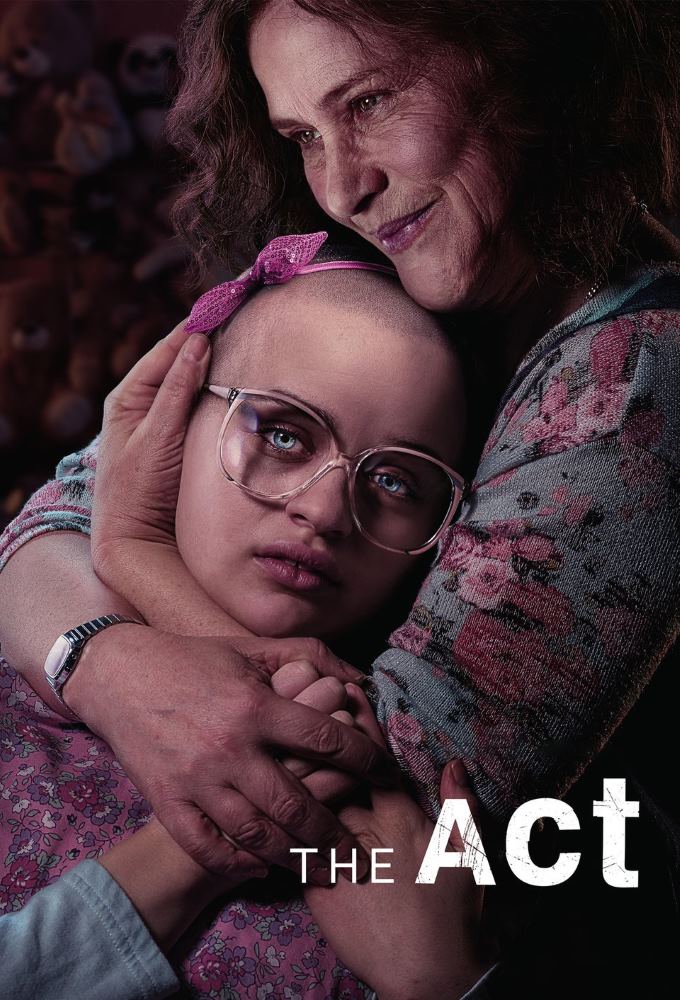




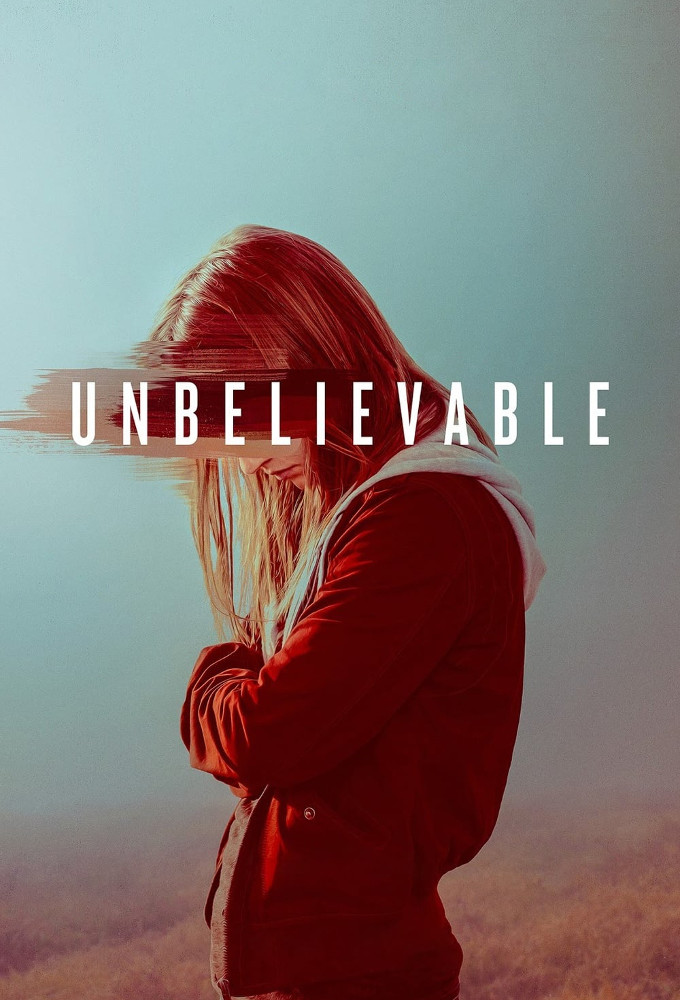


Trailer
Technical Details
- Network: Hulu
- Seasons: 1
- Years: 2022 - 2022
- Genre: Crime, Drama, Mini-Series
- Rating: TV-MA