

Why Watch
"Experience Stephen King's definitive apocalyptic battle between biblical good and demonic evil in this landmark television miniseries event."





AI Critic Analysis
Series Deep Dive:
Mick Garris directs Stephen King's own teleplay adaptation of The Stand, capturing a grim vision of societal collapse following a weaponized plague. Featuring standout performances by Gary Sinise and Jamey Sheridan, this ambitious 1994 ABC miniseries explores survival, morality, and cosmic dread across a desolate American landscape. It remains an influential high-water mark for network event television, delivering unforgettable, high-stakes drama from opening disaster to climactic confrontation.
Season: 1
| Watched? | # | Air Date | Episode Name |
|---|---|---|---|
| E1 | May 08, 1994 | The Plague | |
| E2 | May 09, 1994 | The Dreams | |
| E3 | May 11, 1994 | The Betrayal | |
| E4 | May 12, 1994 | The Stand |
Production Note - Limited Series
Production Type: Miniseries
The Stand is a standalone Miniseries designed as a completed, finite historical narrative. This adaptation of Stephen King's epic novel was conceived from the outset as a monumental television event rather than an ongoing series. The production spanned several months and utilized over one hundred speaking roles and dozens of locations across the United States to capture the post-apocalyptic scope of the source material. By structuring the story into four distinct parts, the creators ensured a comprehensive translation of the book's central conflict between good and evil without the need for subsequent seasons.
The production history of this project is defined by its commitment to a singular, closed-ended arc that follows the survivors of a global pandemic. Stephen King himself wrote the teleplay to ensure that the narrative remained faithful to the definitive conclusion of his original work. This approach allowed the network to market the show as a prestige television event with a clear beginning, middle, and end. The series concluded its run as a self-contained historical document of 1990s broadcast television, fulfilling its creative mandate to tell a complete story within a fixed number of episodes.
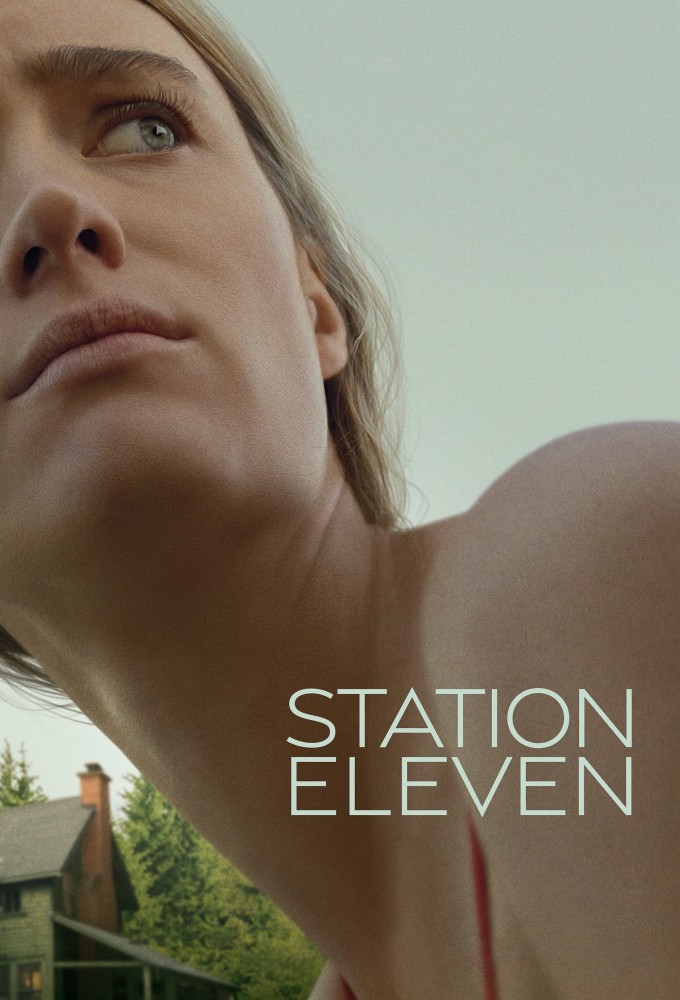
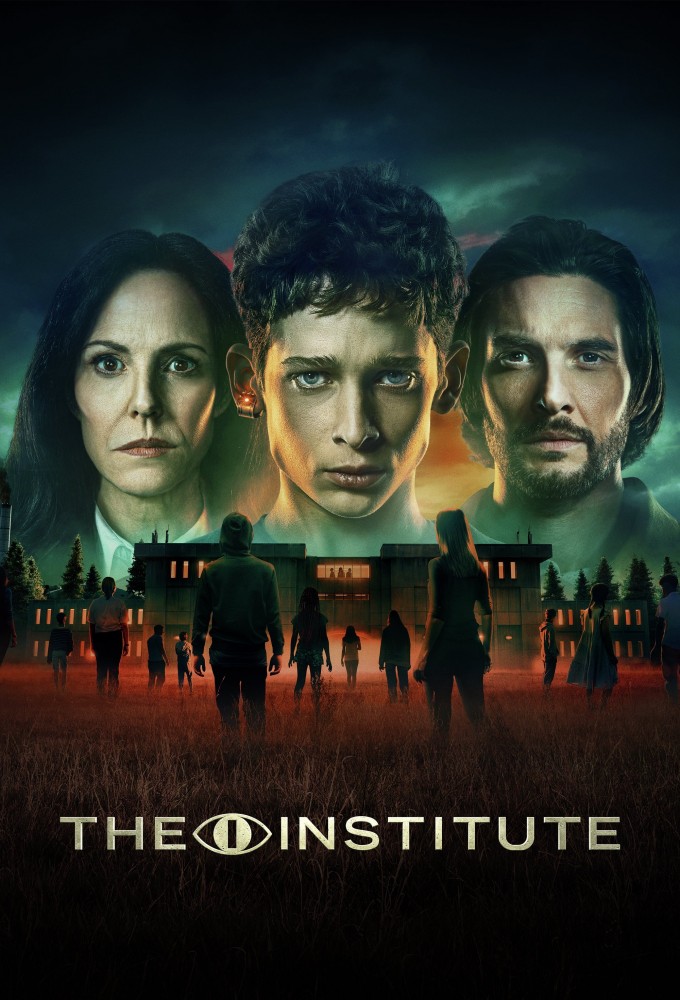
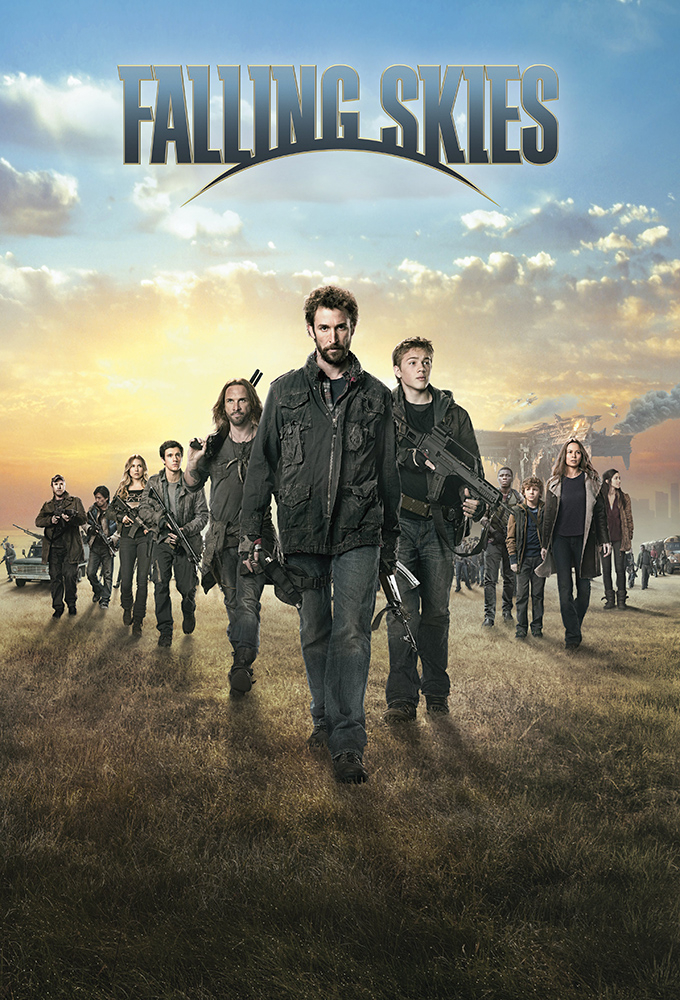
If you liked The Stand:






Technical Details
- Network: ABC (US)
- Seasons: 1
- Years: 1994 - 1994
- Genre: Adventure, Drama, Fantasy, Horror, Mini-Series, Science Fiction
- Rating: TV-MA