

Why Watch
"Experience a profoundly hopeful post-apocalyptic saga where art, memory, and community endure across fractured generations."



AI Critic Analysis
Series Deep Dive:
Patrick Somerville’s adaptation of Station Eleven transcends familiar pandemic tropes by championing human connection and artistic endurance. Shifting fluidly across pre-collapse timelines and decades into a reimagined Great Lakes frontier, the limited series honors survival through Shakespeare, memory, and shared trauma. Anchored by phenomenal performances from Mackenzie Davis and Himesh Patel, this HBO Max masterpiece offers one of modern television's most poignant reflections on resilience.
Season: 1
| Watched? | # | Air Date | Episode Name |
|---|---|---|---|
| E1 | Dec 16, 2021 | Wheel of Fire | |
| E2 | Dec 16, 2021 | A Hawk from a Handsaw | |
| E3 | Dec 16, 2021 | Hurricane | |
| E4 | Dec 23, 2021 | Rosencrantz and Guildenstern Aren't Dead | |
| E5 | Dec 23, 2021 | The Severn City Airport | |
| E6 | Dec 30, 2021 | Survival is Insufficient | |
| E7 | Dec 30, 2021 | Goodbye My Damaged Home | |
| E8 | Jan 06, 2022 | Who’s There? | |
| E9 | Jan 06, 2022 | Dr. Chaudhary | |
| E10 | Jan 13, 2022 | Unbroken Circle |
Production Note - Limited Series
Production Type: Limited Series
Station Eleven is a standalone Limited Series designed as a completed, finite historical narrative. Developed by Patrick Somerville for HBO Max, the production was conceived from its inception as a faithful but expanded adaptation of Emily St. John Mandel's 2014 novel. The creative team focused on a singular, self-contained story arc that weaves together multiple timelines spanning twenty years, ensuring that the thematic exploration of art, memory, and survival reached a definitive resolution within its ten-episode run. This intentional design allowed the showrunners to invest heavily in a high-concept visual language and a specific emotional journey without the structural need for seasonal cliffhangers or open-ended plot lines.
The production scale of the series was significant, involving complex location shoots across Canada and a meticulous recreation of a post-pandemic world that transitions from collapse to a new civilization. By positioning the project as a limited engagement, the studio and producers were able to secure a high-caliber cast and technical crew committed to a rigorous, one-time filming schedule. The narrative concludes with the convergence of its primary characters, providing a sense of closure that aligns with the source material's philosophical ending. As a result, the series stands as a complete work of televised literature, with no plans for continuation or expansion beyond its original broadcast window.
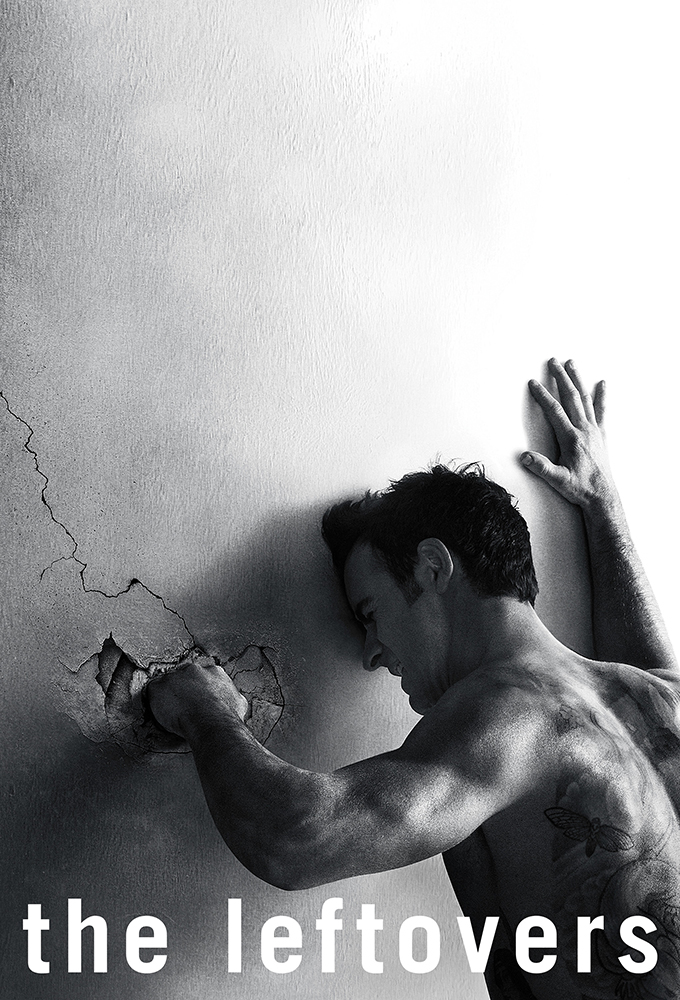
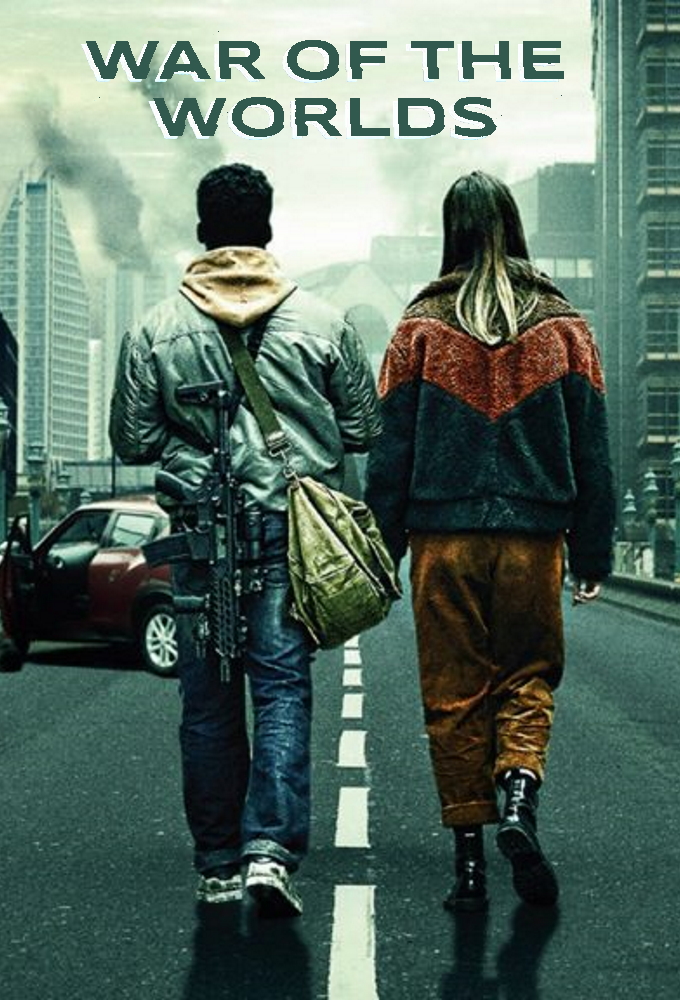
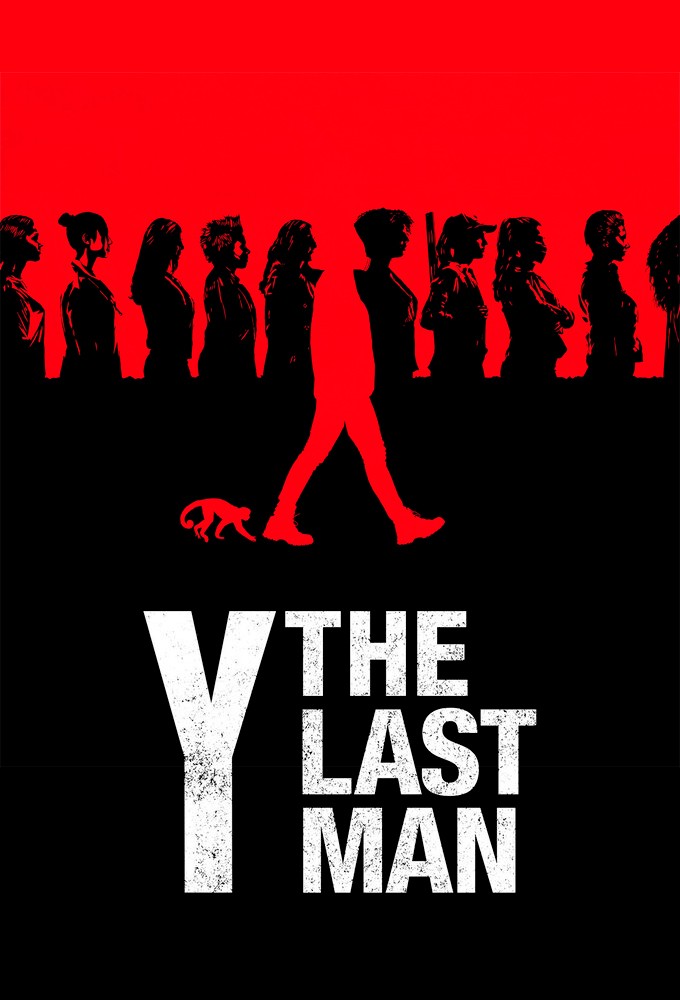
If you liked Station Eleven:




Trailer
Technical Details
- Network: HBO Max
- Seasons: 1
- Years: 2021 - 2022
- Genre: Adventure, Drama, Mini-Series, Mystery, Science Fiction, Thriller
- Rating: TV-MA