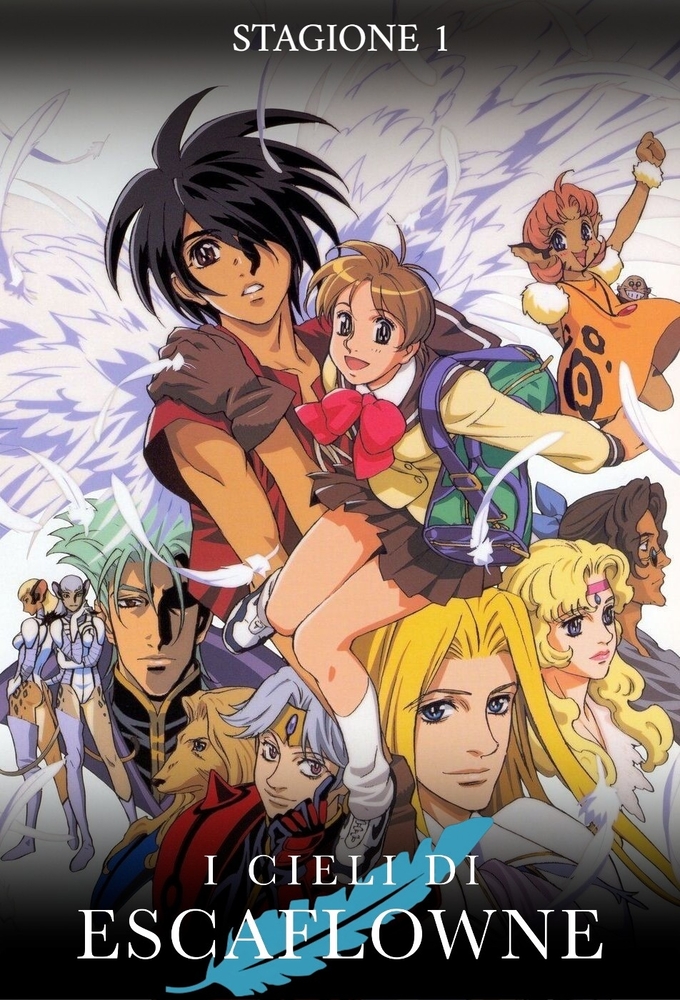

Why Watch
"Experience a breathtaking blend of high-stakes planetary romance, tarot mysticism, and kinetic sword-and-mecha combat that reshaped anime history."


AI Critic Analysis
Series Deep Dive:
Few vintage anime balance sweeping romance and mechanized combat as effectively as Vision of Escaflowne. When high schooler Hitomi is transported to the war-torn world of Gaea, her fate intertwines with Prince Van and his mystical armor. Driven by Yoko Kanno’s thunderous orchestral score and bold, emotive character designs, the series remains an enduring, beautifully animated landmark of fantasy storytelling. It offers unforgettable spectacle from start to finish.
Season: 1
| Watched? | # | Air Date | Episode Name |
|---|---|---|---|
| E1 | Apr 02, 1996 | 運命の告白 | |
| E2 | Apr 09, 1996 | 幻の月の少女 | |
| E3 | Apr 16, 1996 | 華麗なる剣士 | |
| E4 | Apr 23, 1996 | 魔性の美少年 | |
| E5 | Apr 30, 1996 | 兄弟の刻印 | |
| E6 | May 07, 1996 | 策謀の都 | |
| E7 | May 14, 1996 | 予期せぬ別れ | |
| E8 | May 21, 1996 | 天使の舞う日 | |
| E9 | May 28, 1996 | 羽根の記憶 | |
| E10 | Jun 04, 1996 | 青き瞳の王子 | |
| E11 | Jun 11, 1996 | 死の予言 | |
| E12 | Jun 18, 1996 | 秘密の扉 | |
| E13 | Jun 25, 1996 | 赤い運命 | |
| E14 | Jul 02, 1996 | 危険な傷跡 | |
| E15 | Jul 09, 1996 | 失われた楽園 | |
| E16 | Jul 16, 1996 | 導かれし者 | |
| E17 | Jul 23, 1996 | この世の果て | |
| E18 | Jul 30, 1996 | 運命の引力 | |
| E19 | Aug 06, 1996 | 恋の黄金律作戦 | |
| E20 | Aug 13, 1996 | 偽りの契り | |
| E21 | Aug 20, 1996 | 幸運の反作用 | |
| E22 | Aug 27, 1996 | 黒き翼の天使 | |
| E23 | Sep 03, 1996 | 嵐の予感 | |
| E24 | Sep 10, 1996 | 運命の選択 | |
| E25 | Sep 17, 1996 | 絶対幸運圏 | |
| E26 | Sep 24, 1996 | 永遠の想い |
Series Legacy & Historical Archive
Franchise Status: The franchise is currently dormant following the 2000 film and various manga adaptations, with no active revival projects announced.
Vision of Escaflowne remains a definitive pillar of fantasy television, having concluded its influential run on TV Tokyo. The series is celebrated for its unique fusion of shojo romance, mecha action, and high-fantasy world-building, which broke traditional demographic barriers during the mid-nineties. Its legacy is anchored by the breathtaking orchestral score from Yoko Kanno and Hajime Mizoguchi, alongside the intricate character designs by Nobuteru Yuki that set a high water mark for hand-drawn animation quality.
The show remains a rewatch staple because it manages a rare balance of political intrigue and emotional intimacy within the mystical realm of Gaea. Fans continue to return to the story of Hitomi Kanzaki for its grounded approach to the isekai genre, emphasizing consequences and character growth over simple power fantasies. As a cornerstone of the Sunrise studio catalog, it serves as a masterclass in atmospheric storytelling that continues to inspire modern creators in the speculative fiction space.
If you liked Vision of Escaflowne:



Technical Details
- Network: TV Tokyo
- Seasons: 1
- Years: 1996 - 1996
- Genre: Action, Adventure, Animation, Anime, Comedy, Drama, Fantasy, Romance, Science Fiction, Thriller, War
- Rating: TV-14