
Why Watch
"Witness an unparalleled animated masterpiece that balances profound character growth, martial philosophy, and high-stakes fantasy adventure across four elemental nations."
Where to Watch











 Streaming details by:
JustWatch
Streaming details by:
JustWatch
AI Critic Analysis
Series Deep Dive:
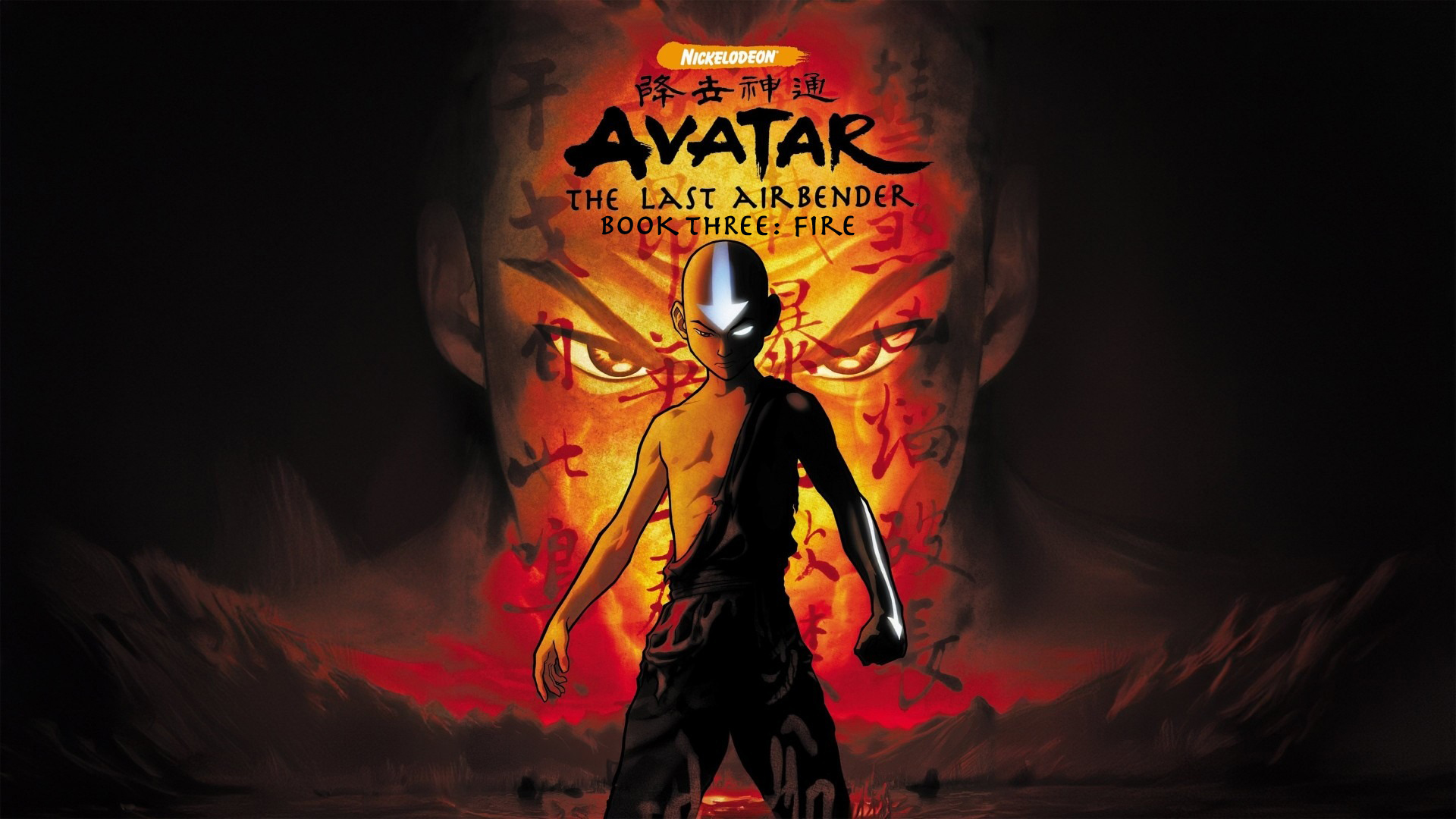
Widely heralded as a gold standard in modern storytelling, Avatar: The Last Airbender crafts an extraordinary journey of balance, war, and redemption. Across its acclaimed third season, showrunners Bryan Konietzko and Michael Dante DiMartino steer Aang and his allies toward an emotionally resonant confrontation with the Fire Nation. The series endures due to its mature themes, inventive worldbuilding, complex villains like Zuko, and brilliant serialization rarely matched in animated television.
Season: 3
| Watched? | # | Air Date | Episode Name |
|---|---|---|---|
| E1 | Sep 21, 2007 | The Awakening | |
| E2 | Sep 28, 2007 | The Headband | |
| E3 | Oct 05, 2007 | The Painted Lady | |
| E4 | Oct 12, 2007 | Sokka's Master | |
| E5 | Oct 19, 2007 | The Beach | |
| E6 | Oct 26, 2007 | The Avatar and the Firelord | |
| E7 | Nov 02, 2007 | The Runaway | |
| E8 | Nov 09, 2007 | The Puppetmaster | |
| E9 | Nov 16, 2007 | Nightmares and Daydreams | |
| E10 | Nov 30, 2007 | The Day of Black Sun: The Invasion (1) | |
| E11 | Nov 30, 2007 | The Day of Black Sun: The Eclipse (2) | |
| E12 | Dec 14, 2007 | The Western Air Temple | |
| E13 | Jan 04, 2008 | The Firebending Masters | |
| E14 | Jun 14, 2008 | The Boiling Rock (1) | |
| E15 | Jun 14, 2008 | The Boiling Rock (2) | |
| E16 | Jul 17, 2008 | The Southern Raiders | |
| E17 | Jul 18, 2008 | The Ember Island Players | |
| E18 | Jul 19, 2008 | Sozin's Comet: The Phoenix King (1) | |
| E19 | Jul 19, 2008 | Sozin's Comet: The Old Masters (2) | |
| E20 | Jul 19, 2008 | Sozin's Comet: Into the Inferno (3) | |
| E21 | Jul 19, 2008 | Sozin's Comet: Avatar Aang (4) |
Series Legacy & Historical Archive
Franchise Status: Active / Expanding Universe
Avatar: The Last Airbender remains a definitive pillar of animated fantasy television, having concluded its influential run on Nickelodeon. This series transcended its demographic by weaving complex themes of genocide, imperialism, and redemption into a narrative accessible to all ages. Its legacy is rooted in a meticulously crafted magic system and a diverse world inspired by various Asian and Indigenous cultures, which set a new standard for world-building in Western animation. The show proved that serialized storytelling could thrive in a medium previously dominated by episodic formats, paving the way for a more sophisticated era of television.
Fans return to the series repeatedly because of its profound character development, most notably the legendary redemption arc of Prince Zuko. This emotional depth ensures that the journey from the Southern Air Temple to the Fire Nation remains resonant through multiple viewings across different stages of life. As a cornerstone of modern pop culture, the show continues to thrive through its expanded universe and the constant influx of new viewers discovering its timeless message of balance and hope.
If you liked Avatar: The Last Airbender:









Trailer
Technical Details
- Network: Nickelodeon
- Seasons: 3
- Years: 2005 - 2008
- Genre: Action, Adventure, Animation, Comedy, Fantasy, Martial Arts
- Rating: TV-Y7