

Why Watch
"Witness the intoxicating blend of corporate greed, artificial intelligence, and religious extremism that spawned the iconic Cylon revolution."












AI Critic Analysis
Series Deep Dive:
Serving as an ambitious prequel to Battlestar Galactica, Caprica shifts focus from deep-space survival to terrestrial corporate intrigue. The series examines how grief, monotheistic fanaticism, and virtual reality converge to birth sentient machines. Driven by Eric Stoltz and Esai Morales, this provocative drama exposes the philosophical rot of a decadent civilization. It remains essential viewing for enthusiasts dissecting the moral descent that doomed humanity's Twelve Colonies.
Season: 1
| Watched? | # | Air Date | Episode Name |
|---|---|---|---|
| E1 | Jan 22, 2010 | Pilot | |
| E2 | Jan 29, 2010 | Rebirth | |
| E3 | Feb 05, 2010 | Reins of a Waterfall | |
| E4 | Feb 19, 2010 | Gravedancing | |
| E5 | Feb 26, 2010 | There Is Another Sky | |
| E6 | Mar 05, 2010 | Know Thy Enemy | |
| E7 | Mar 12, 2010 | The Imperfections of Memory | |
| E8 | Mar 19, 2010 | Ghosts in the Machine | |
| E9 | Mar 26, 2010 | End of Line | |
| E10 | Oct 05, 2010 | Unvanquished | |
| E11 | Oct 12, 2010 | Retribution | |
| E12 | Oct 19, 2010 | Things We Lock Away | |
| E13 | Oct 26, 2010 | False Labor | |
| E14 | Nov 02, 2010 | Blowback | |
| E15 | Nov 09, 2010 | The Dirteaters | |
| E16 | Nov 16, 2010 | The Heavens Will Rise | |
| E17 | Nov 23, 2010 | Here Be Dragons | |
| E18 | Nov 30, 2010 | Apotheosis |
Series Legacy & Historical Archive
Franchise Status: Concluded / Prequel Component
Caprica remains a definitive pillar of science fiction television, having concluded its influential run on Syfy. As a prequel to the reimagined Battlestar Galactica, the series shifted the franchise away from military space opera toward a cerebral exploration of artificial intelligence, corporate espionage, and religious fundamentalism. Its legacy is found in how it humanized the origins of the Cylons, replacing galactic warfare with the intimate, messy complexities of the Graystone and Adama families. By examining the ethical boundaries of digital consciousness and virtual reality long before they became mainstream cultural anxieties, the show established a blueprint for modern prestige genre storytelling.
The show remains a rewatch staple because it offers a sophisticated look at the slow-motion collapse of a civilization through the lens of its own hubris. Fans return to the series for its rich world-building and the haunting score by Bear McCreary, which grounds the high-concept drama in a recognizable, noir-inspired aesthetic. While its initial run was brief, its themes of digital immortality and the recursive nature of history have only grown more relevant in the age of generative AI. It serves as a tragic, necessary prologue that deepens the emotional weight of its successor, ensuring its place as a cult classic that rewards viewers who appreciate slow-burn philosophical inquiry.
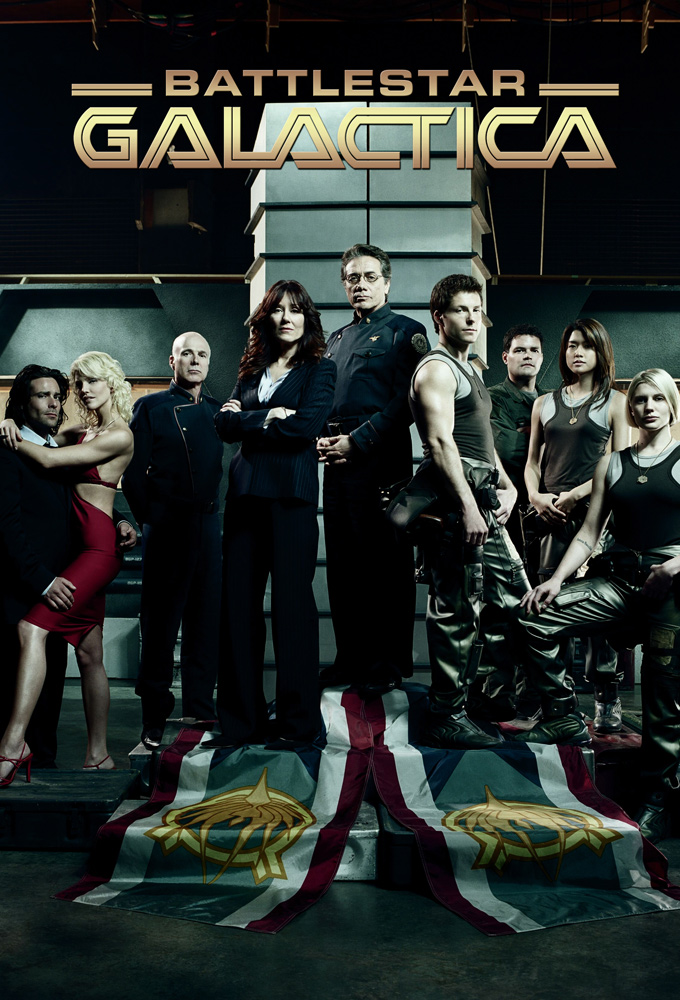
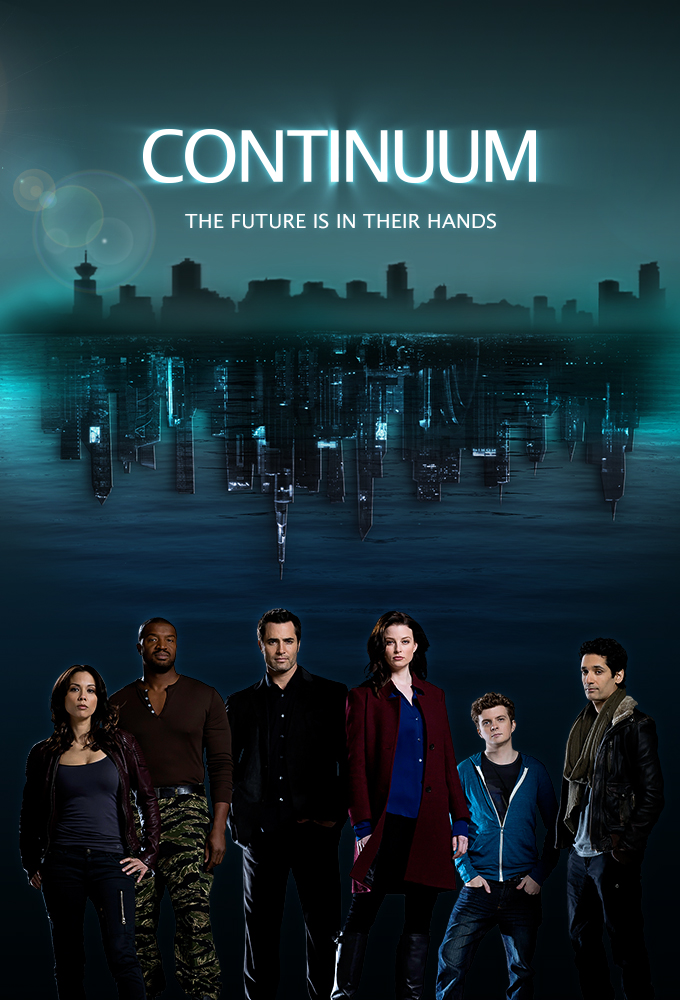
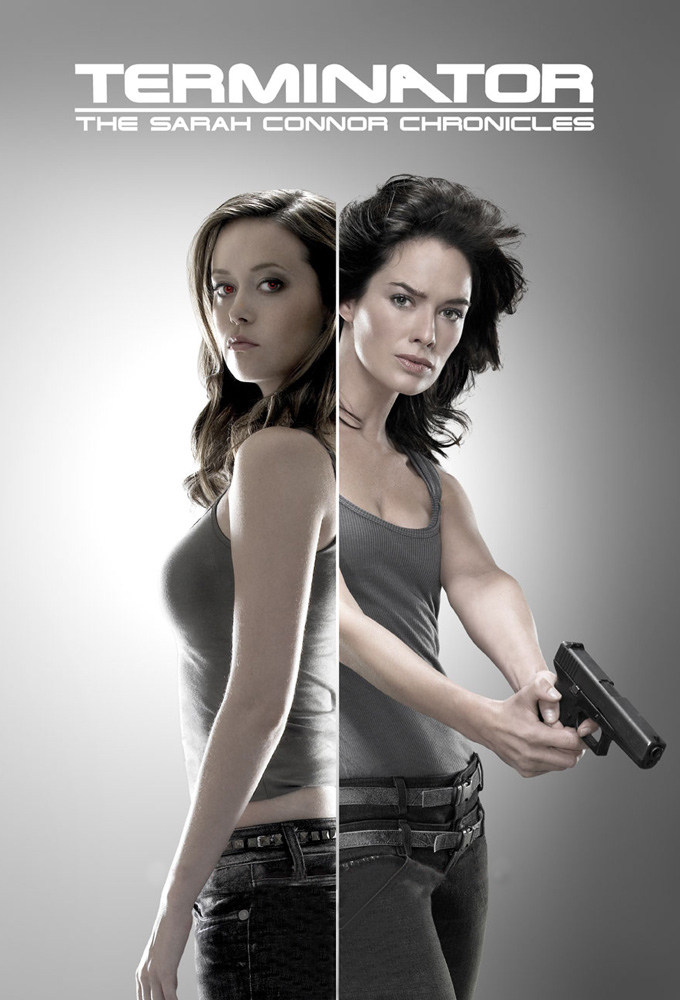
If you liked Caprica:




Technical Details
- Network: Space
- Seasons: 1
- Years: 2010 - 2010
- Genre: Action, Drama, Science Fiction
- Rating: TV-14