

Why Watch
"Relive peak Saturday morning nostalgia as the iconic Italian plumber defends Dinosaur Land in vibrant animated adventures."
Where to Watch












 Streaming details by:
JustWatch
Streaming details by:
JustWatch
AI Critic Analysis
Series Deep Dive:
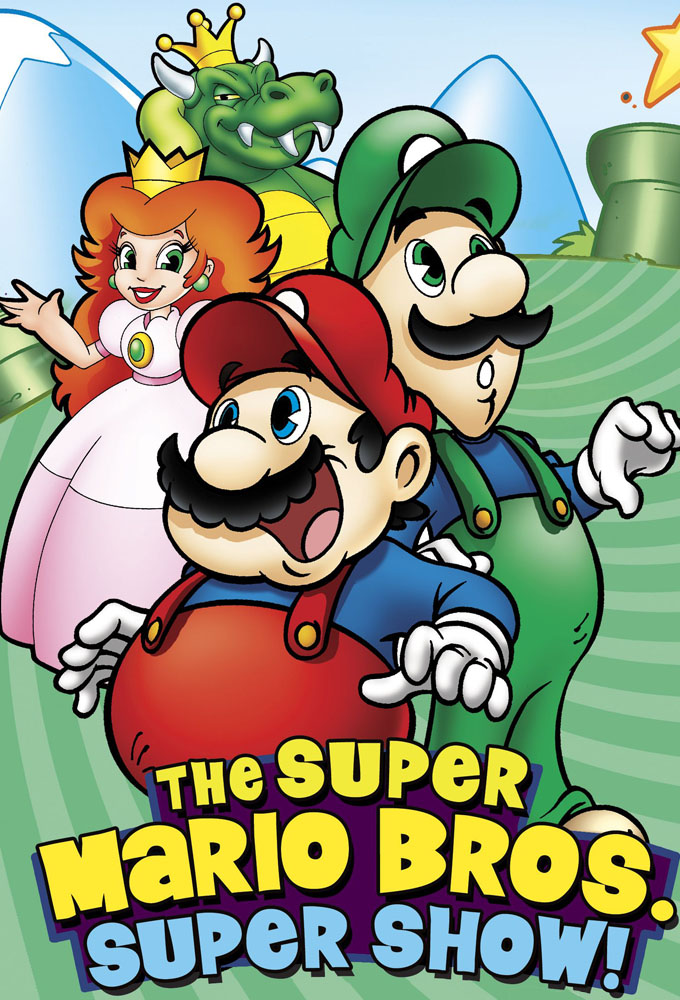
Serving as the final chapter in DIC Entertainment's Nintendo trilogy, Super Mario World translates iconic 16-bit gameplay into fast-paced Saturday morning fun. Featuring Yoshi's memorable animated debut, the series pits Mario and Luigi against King Koopa's schemes across Dinosaur Land. While aimed squarely at younger audiences, its frantic energy, vintage humor, and faithful sound design make it a charming, nostalgic artifact from the golden age of 1990s video game adaptations.
Season: 1
| Watched? | # | Air Date | Episode Name |
|---|---|---|---|
| E1 | Sep 14, 1991 | Fire Sale | |
| E2 | Sep 21, 1991 | The Wheel Thing | |
| E3 | Sep 28, 1991 | Send in the Clown | |
| E4 | Oct 05, 1991 | Ghosts 'r' Us | |
| E5 | Oct 12, 1991 | King Scoopa Koopa | |
| E6 | Oct 19, 1991 | The Night Before Cave Christmas | |
| E7 | Oct 26, 1991 | Born to Ride | |
| E8 | Nov 02, 1991 | Party Line | |
| E9 | Nov 09, 1991 | Gopher Bash | |
| E10 | Nov 16, 1991 | Rock TV | |
| E11 | Nov 23, 1991 | The Yoshi Shuffle | |
| E12 | Nov 30, 1991 | A Little Learning | |
| E13 | Dec 07, 1991 | Mama Luigi |
Series Legacy & Historical Archive
Franchise Status: Concluded
Super Mario World remains a definitive pillar of animated television, having concluded its influential run on NBC. This adaptation of the iconic SNES title served as the final chapter in the original trilogy of Mario cartoons, cementing the transition of the franchise into the 16-bit era. By introducing characters like Yoshi and the prehistoric setting of Dinosaur Land, the series expanded the lore of the Mushroom Kingdom for a generation of young viewers. Its legacy is preserved through its distinct visual style and the way it translated complex game mechanics into episodic narratives that prioritized character dynamics over mere gameplay replication.
Fans frequently return to this series as a rewatch staple because of its nostalgic charm and its role as a time capsule for early nineties Saturday morning culture. While it strayed from the source material with original characters like Oogtar the caveboy, it maintained the core spirit of the Mario brothers as heroic protectors. Today, the show lives on in the digital consciousness through internet memes and retro marathons, standing as a testament to the enduring appeal of Nintendos most famous mascots during the peak of their television presence.
If you liked Super Mario World:



Technical Details
- Network: NBC
- Seasons: 1
- Years: 1991 - 1991
- Genre: Adventure, Animation, Children, Comedy, Family, Fantasy, Musical
- Rating: TV-Y