

Why Watch
"Experience David E. Kelley's intense medical drama driven by surgical high stakes and sharp, morally complex hospital politics."
AI Critic Analysis
Series Deep Dive:
David E. Kelley's seminal medical drama Chicago Hope redefined primetime surgical realism across its six-season run on CBS. Centered on the volatile personal and ethical crises within a high-profile charity hospital, the final season brings closure to iconic surgeons like Jeffrey Geiger and Aaron Shutt. With commanding performances and sharp legal-ethical debates, the series remains an influential touchstone for modern hospital dramas.
Season: 6
| Watched? | # | Air Date | Episode Name |
|---|---|---|---|
| E1 | Sep 23, 1999 | Team Play | |
| E2 | Sep 30, 1999 | Y'Gotta Have Heart | |
| E3 | Oct 07, 1999 | Oh, What a Piece of Work is Man | |
| E4 | Oct 14, 1999 | Vigilance and Care | |
| E5 | Oct 21, 1999 | Humpty Dumpty | |
| E6 | Oct 28, 1999 | Upstairs, Downstairs | |
| E7 | Nov 11, 1999 | White Rabbit | |
| E8 | Nov 18, 1999 | The Heart to Heart | |
| E9 | Dec 09, 1999 | The Golden Hour | |
| E10 | Jan 06, 2000 | Hanlon's Choice | |
| E11 | Jan 13, 2000 | Faith, Hope & Surgery | |
| E12 | Jan 20, 2000 | Letting Go | |
| E13 | Feb 03, 2000 | Boys Will Be Girls | |
| E14 | Feb 10, 2000 | Gray Matters | |
| E15 | Feb 17, 2000 | Painful Cuts | |
| E16 | Feb 24, 2000 | Simon Sez | |
| E17 | Mar 30, 2000 | Cold Hearts | |
| E18 | Apr 06, 2000 | Devoted Attachment | |
| E19 | Apr 13, 2000 | Miller Time | |
| E20 | Apr 20, 2000 | Thoughts of You | |
| E21 | Apr 27, 2000 | Everybody's Special at Chicago Hope | |
| E22 | May 04, 2000 | Have I Got a Deal For You |
Series Legacy & Historical Archive
Franchise Status: Concluded (1994–2000)
Chicago Hope remains a definitive pillar of medical drama television, having concluded its influential run on CBS. Created by David E. Kelley, the series established a sophisticated template for the modern hospital procedural by prioritizing complex ethical dilemmas and the psychological toll of the profession. While it famously debuted in the same season as ER, it carved out a unique legacy through its focus on specialized surgery and a rotating ensemble of powerhouse performers like Mandy Patinkin and Adam Arkin. The show pushed the boundaries of network television with its willingness to explore experimental medical procedures and the moral grey areas of healthcare administration.
Today, the series remains a rewatch staple because of its sharp dialogue and the theatrical gravity its cast brought to every operation room scene. It served as a vital bridge between the classic ensemble dramas of the eighties and the high-concept medical hits of the twenty-first century, proving that audiences were hungry for intellectual depth alongside emotional stakes. Its DNA can be seen in nearly every contemporary medical show that balances technical jargon with the messy personal lives of its protagonists. For fans of the genre, returning to the halls of Chicago Hope offers a masterclass in pacing and character development that still feels remarkably current decades after its finale.
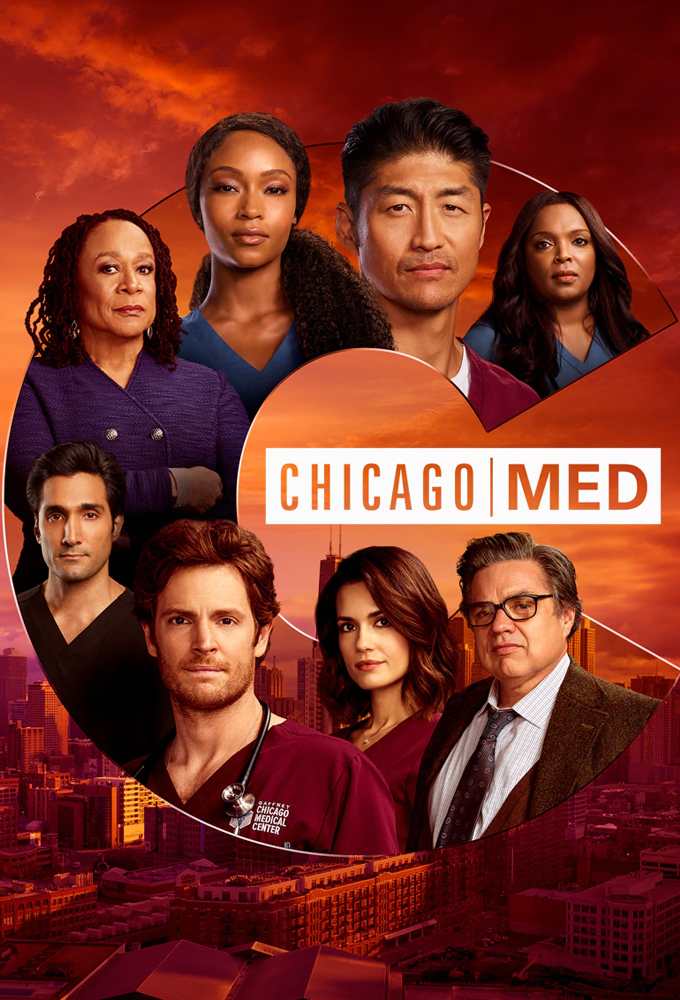
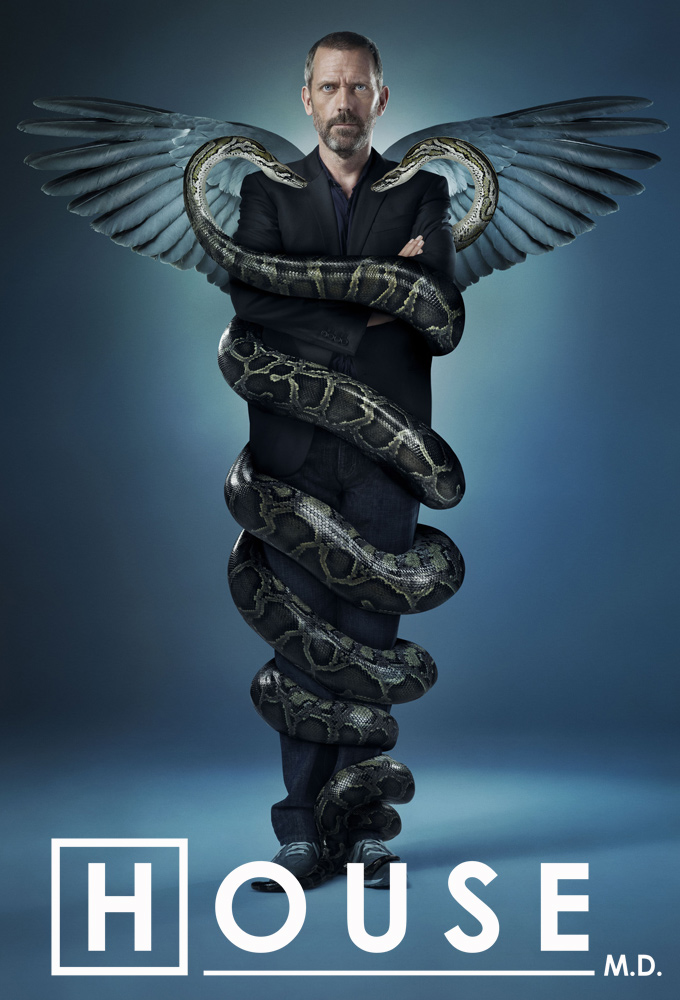
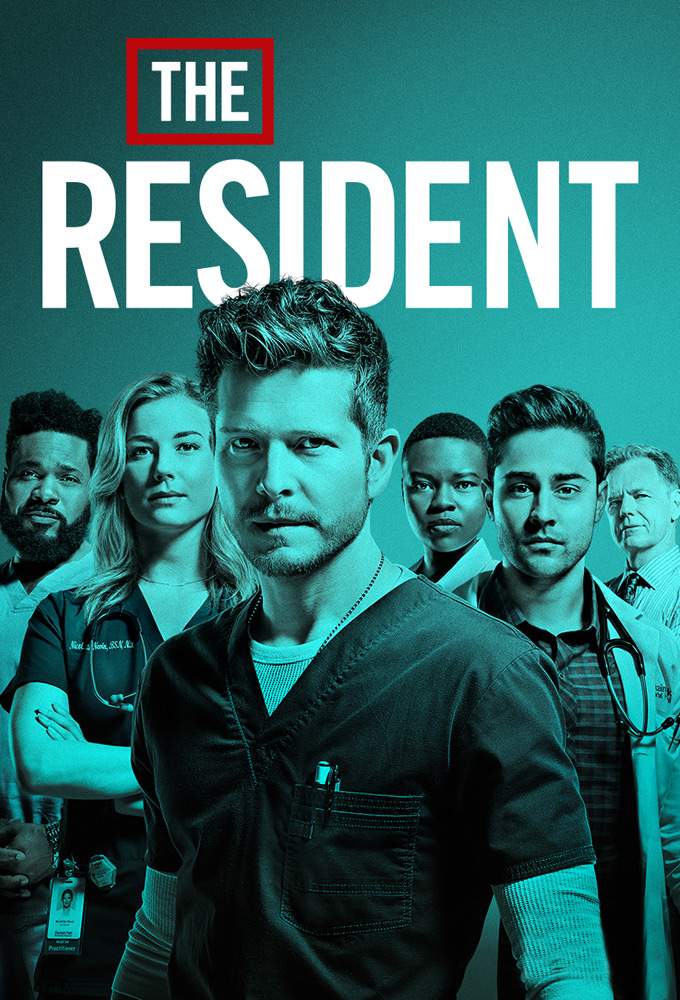
If you liked Chicago Hope:







Technical Details
- Network: CBS
- Seasons: 6
- Years: 1994 - 2000
- Genre: Drama, Mystery, Thriller
- Rating: TV-14