

Why Watch
"Experience late-nineties cynicism at its sharpest as high school's premier outsider dissects suburban absurdity with dry, devastating precision."











AI Critic Analysis
Series Deep Dive:
Serving as the definitive animated critique of suburban adolescence, Daria reaches its introspective zenith in Season 5. Glenn Eichler matures the razor-sharp protagonist beyond detached observation, forcing her to confront genuine emotional stakes, shifting friendships, and impending adulthood. The writing remains peerlessly witty, balancing Lawndale's heightened vanity against grounded character evolution. It stands as a brilliant, timeless monument to teen alienation that never softens its uncompromising, intellectual bite.
Season: 5
| Watched? | # | Air Date | Episode Name |
|---|---|---|---|
| E1 | Feb 19, 2001 | Fizz Ed | |
| E2 | Feb 26, 2001 | Sappy Anniversary | |
| E3 | Mar 05, 2001 | Fat Like Me | |
| E4 | Mar 12, 2001 | Camp Fear | |
| E5 | Mar 19, 2001 | The Story of D | |
| E6 | Mar 26, 2001 | Lucky Strike | |
| E7 | Apr 02, 2001 | Art Burn | |
| E8 | May 21, 2001 | One J at a Time | |
| E9 | May 28, 2001 | Life in the Past Lane | |
| E10 | Jun 04, 2001 | Aunt Nauseam | |
| E11 | Jun 11, 2001 | Prize Fighters | |
| E12 | Jun 18, 2001 | My Night at Daria's | |
| E13 | Jun 25, 2001 | Boxing Daria |
Series Legacy & Historical Archive
Franchise Status: Legacy / Spin-off in Development
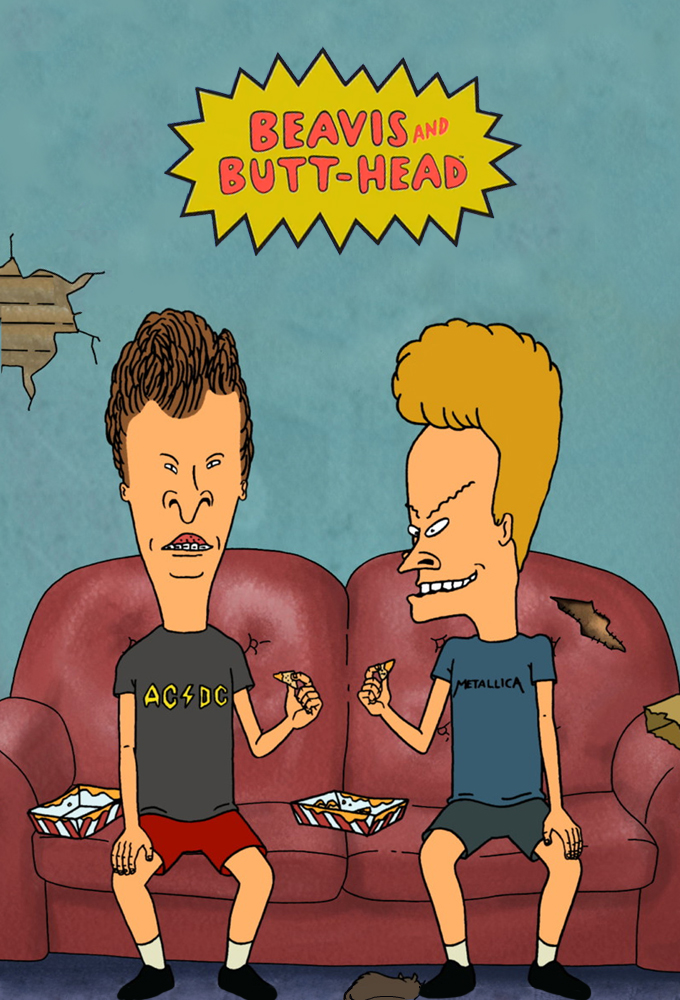
Daria remains a definitive pillar of adult animated television, having concluded its influential run on MTV. Born as a spin-off from Beavis and Butt-Head, the series quickly evolved into a sophisticated critique of suburban banality and the superficiality of high school social hierarchies. Its cultural DNA is defined by a sharp, deadpan wit and a refusal to compromise its protagonists intellectual integrity for the sake of popularity. By centering on a female lead who prioritized observation over participation, the show provided a voice for a generation of outsiders who felt alienated by the mainstream consumerism of the late nineties.
The show remains a rewatch staple because its observations on human behavior and societal pressure have proven remarkably evergreen. While the technology and fashion are rooted in a specific era, the internal struggle of navigating a world that often rewards conformity remains universally resonant. Fans return to Lawndale not just for the nostalgia of the Sick Sad World segments, but for the grounded emotional development found in the central friendships and family dynamics. It serves as a masterclass in character-driven satire, ensuring its place as a cornerstone of counter-culture media that continues to find new audiences in the digital age.
If you liked Daria:




Technical Details
- Network: MTV
- Seasons: 5
- Years: 1997 - 2001
- Genre: Animation, Comedy, Drama, Romance
- Rating: TV-14