

Why Watch
"Jessica Alba commands James Cameron's gritty cyberpunk vision, blending genetically engineered martial arts with post-apocalyptic underground resistance intrigue."
AI Critic Analysis
Series Deep Dive:
Executive producer James Cameron shaped the millennial television landscape with Dark Angel, an audacious blend of cyberpunk cool and genetic intrigue. Set across a fractured Seattle, Season 2 doubles down on transgenic lore as Max Guevara fights for mutant liberation. Propelled by Jessica Alba's career-defining performance and kinetic stunt choreography, this cult classic remains an essential milestone of turn-of-the-century sci-fi that rewarded ambitious genre storytelling before its premature cancellation.
Season: 2
| Watched? | # | Air Date | Episode Name |
|---|---|---|---|
| E1 | Sep 28, 2001 | Designate This | |
| E2 | Oct 05, 2001 | Bag 'Em | |
| E3 | Oct 12, 2001 | Proof of Purchase | |
| E4 | Oct 26, 2001 | Radar Love | |
| E5 | Nov 02, 2001 | Boo | |
| E6 | Nov 09, 2001 | Two | |
| E7 | Nov 16, 2001 | Some Assembly Required | |
| E8 | Dec 07, 2001 | Gill Girl | |
| E9 | Dec 14, 2001 | Medium is the Message | |
| E10 | Jan 11, 2002 | Brainiac | |
| E11 | Jan 18, 2002 | The Berrisford Agenda | |
| E12 | Feb 01, 2002 | Borrowed Time | |
| E13 | Feb 08, 2002 | Harbor Lights | |
| E14 | Mar 08, 2002 | Love in Vein | |
| E15 | Mar 15, 2002 | Fuhgeddaboudit | |
| E16 | Mar 22, 2002 | Exposure | |
| E17 | Apr 05, 2002 | Hello, Goodbye | |
| E18 | Apr 12, 2002 | Dawg Day Afternoon | |
| E19 | Apr 19, 2002 | She Ain't Heavy | |
| E20 | Apr 26, 2002 | Love Among the Runes | |
| E21 | May 03, 2002 | Freak Nation |
Series Legacy & Historical Archive
Franchise Status: Cult Classic / Concluded
Dark Angel remains a definitive pillar of cyberpunk television, having concluded its influential run on FOX. Created by James Cameron and Charles H. Eglee, the series launched Jessica Alba into stardom and introduced a gritty, post-apocalyptic Seattle that predated the modern obsession with dystopian narratives. Its blend of genetic engineering, transhumanist themes, and pulse-pounding action sequences established a visual and thematic blueprint for the genre. The show effectively balanced a monster-of-the-week format with a deep, overarching mythology involving Manticore, making it a pioneer in the transition toward serialized storytelling in mainstream science fiction.
The legacy of the series endures because of its prescient exploration of government surveillance and corporate overreach, topics that feel more relevant today than they did at the turn of the millennium. Fans return to the series for its unique aesthetic and the chemistry between Max Guevara and Logan Cale, which provided an emotional core to the high-stakes rebellion. While its sudden cancellation left many questions unanswered, the show remains a cult classic that paved the way for future female-led action series and remains a vital chapter in the history of televised speculative fiction.
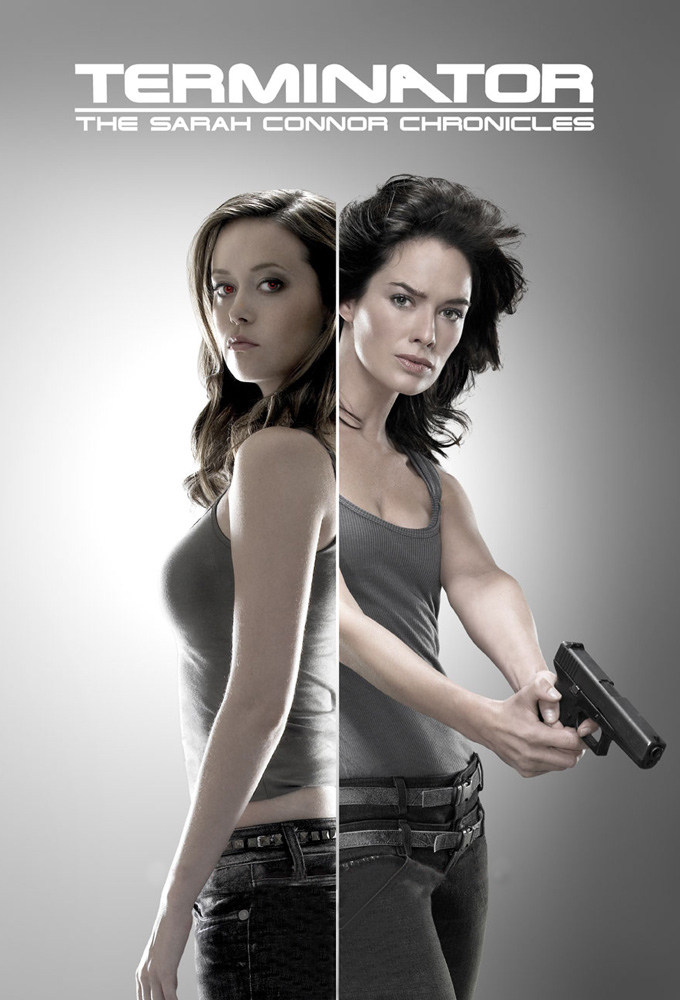
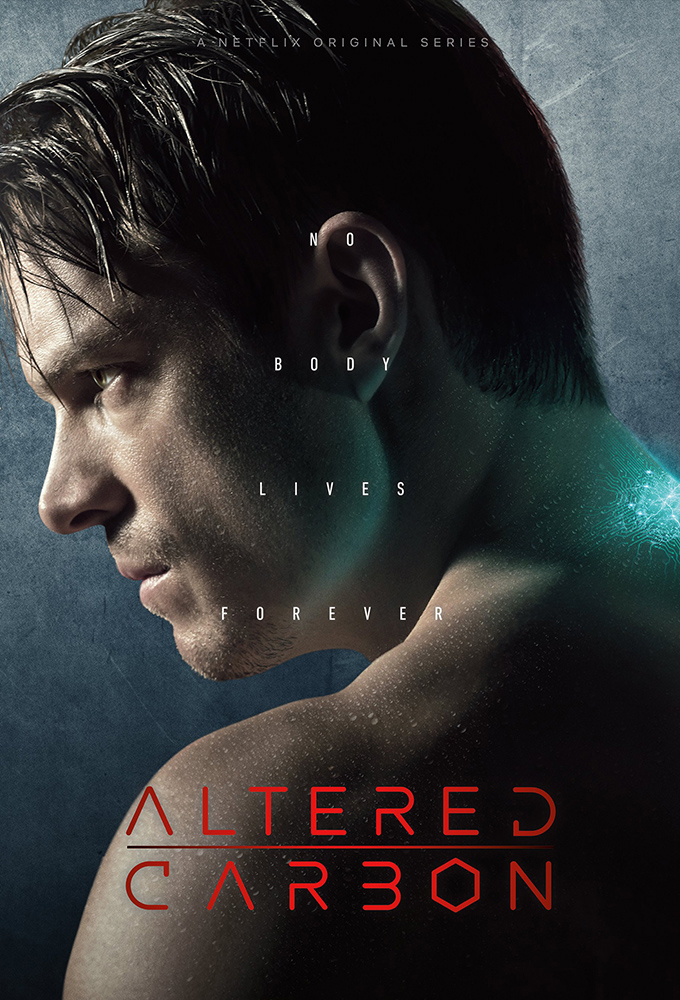
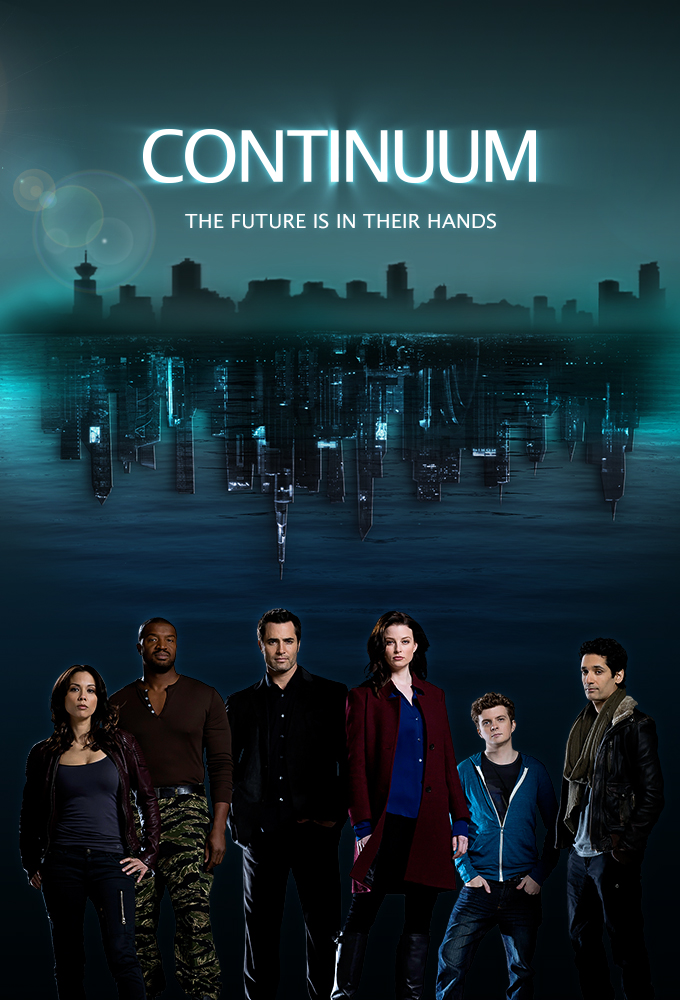
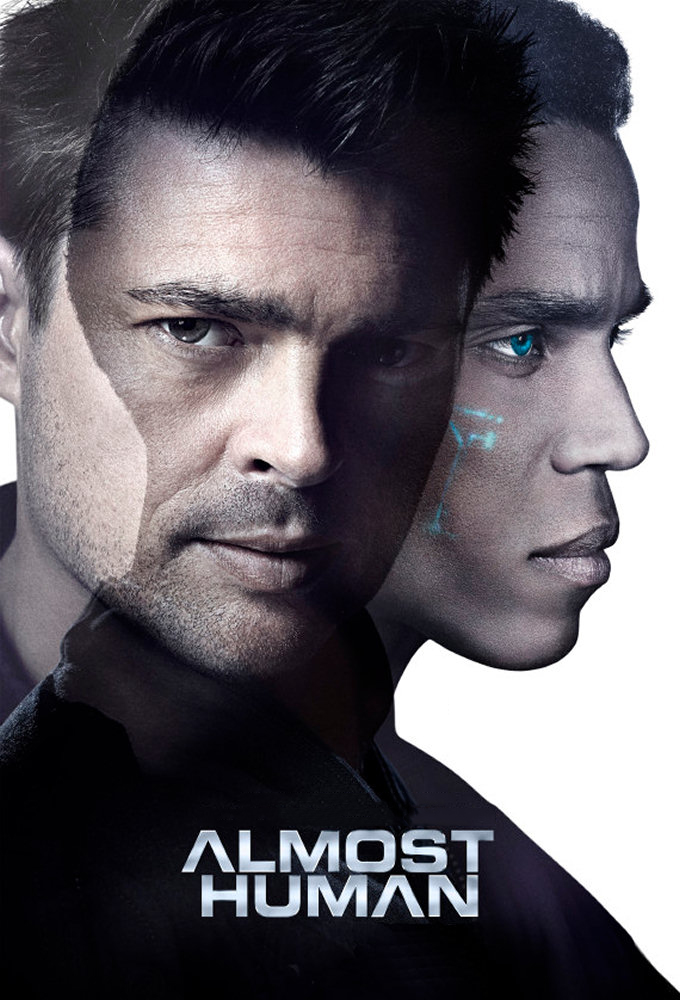
If you liked Dark Angel:




Trailer
Technical Details
- Network: FOX
- Seasons: 2
- Years: 2000 - 2002
- Genre: Action, Drama, Mystery, Science Fiction, Suspense
- Rating: TV-14