

Why Watch
"Claes Bang delivers a darkly witty, blood-soaked reinvented Count in this daring three-part gothic horror miniseries."







AI Critic Analysis
Series Deep Dive:
Creators Steven Moffat and Mark Gatiss resurrect Bram Stoker's iconic monster in Dracula with theatrical flair and biting black humor. Anchored by Claes Bang's charismatic, predatory charm, this three-part BBC One miniseries fractures traditional vampire folklore through unpredictable shifts in tone and chronology. Supported by Dolly Wells' razor-sharp nun, the drama trades formulaic period dread for an audacious, irreverent deconstruction of humanity's most enduring bloodthirsty nightmare.
Season: 1
| Watched? | # | Air Date | Episode Name |
|---|---|---|---|
| E1 | Jan 01, 2020 | The Rules of the Beast | |
| E2 | Jan 02, 2020 | Blood Vessel | |
| E3 | Jan 03, 2020 | The Dark Compass |
Production Note - Limited Series
Production Type: Miniseries
Dracula (2020) is a standalone Miniseries designed as a completed, finite historical narrative. The production was conceived as a three-part event to deconstruct the Count's mythology while providing a definitive arc that spans from the nineteenth century to the modern era. The creators focused on a high-budget, cinematic scale that prioritized a self-contained story over the possibility of seasonal renewal.
The narrative structure was intentionally crafted to reach a conclusive end, resolving the thematic conflict between the vampire and the Van Helsing bloodline. By utilizing a feature-length format for each of its three installments, the production maintained a tight focus on its specific creative vision. This approach ensured that the reimagined lore was fully explored and settled within its original broadcast window.
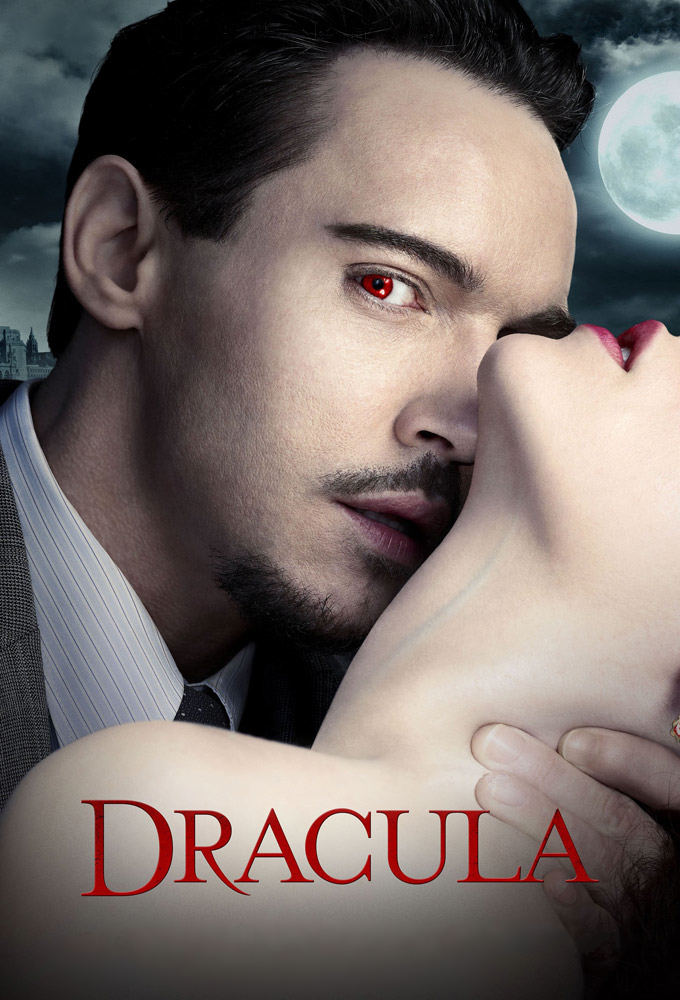
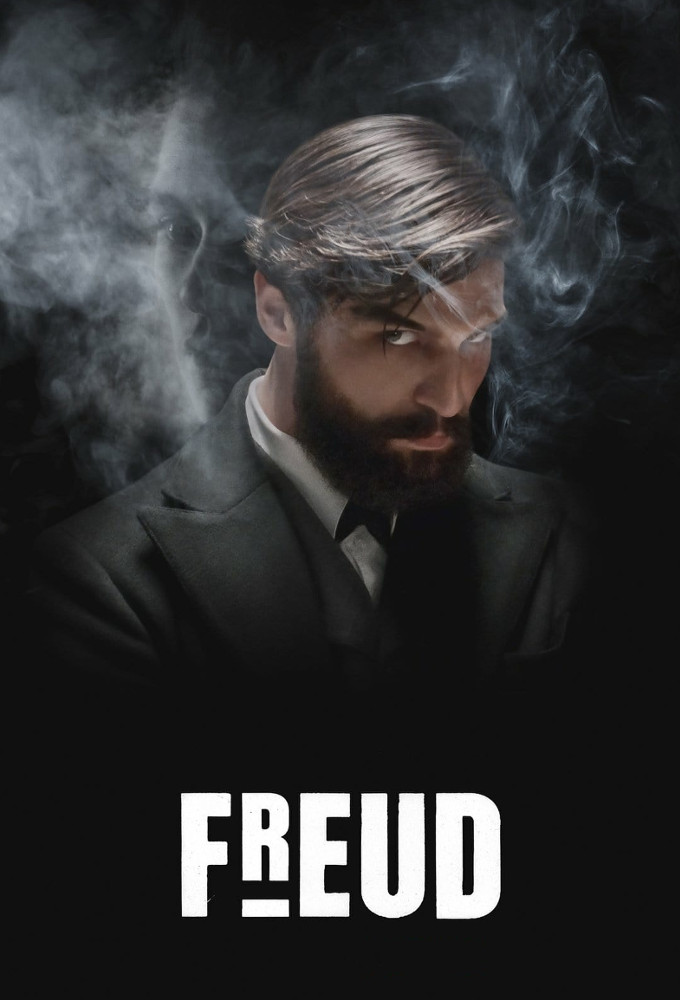
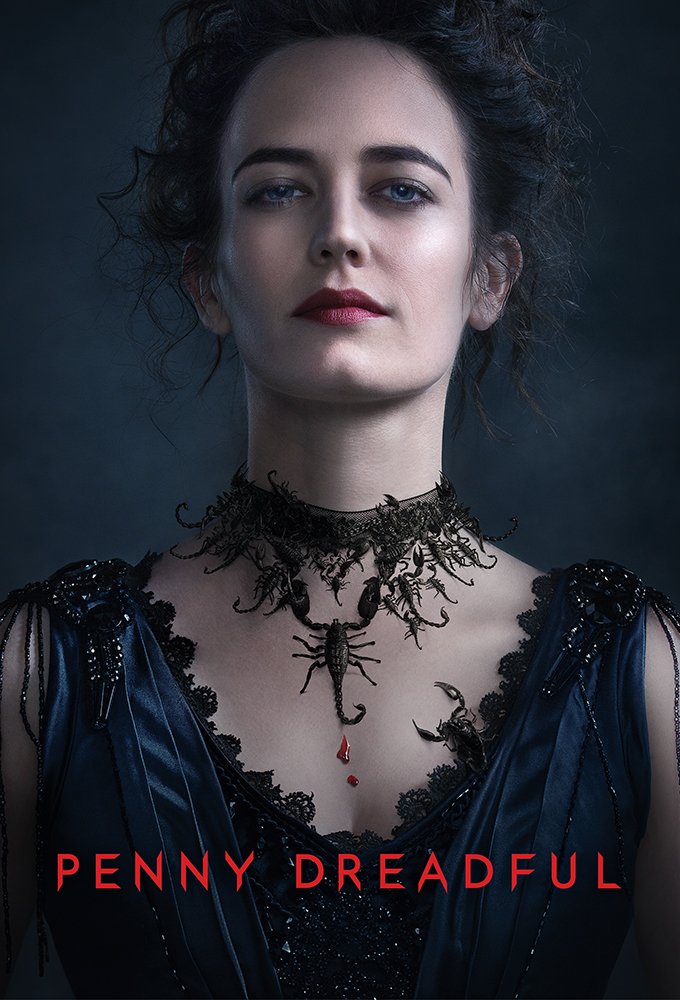
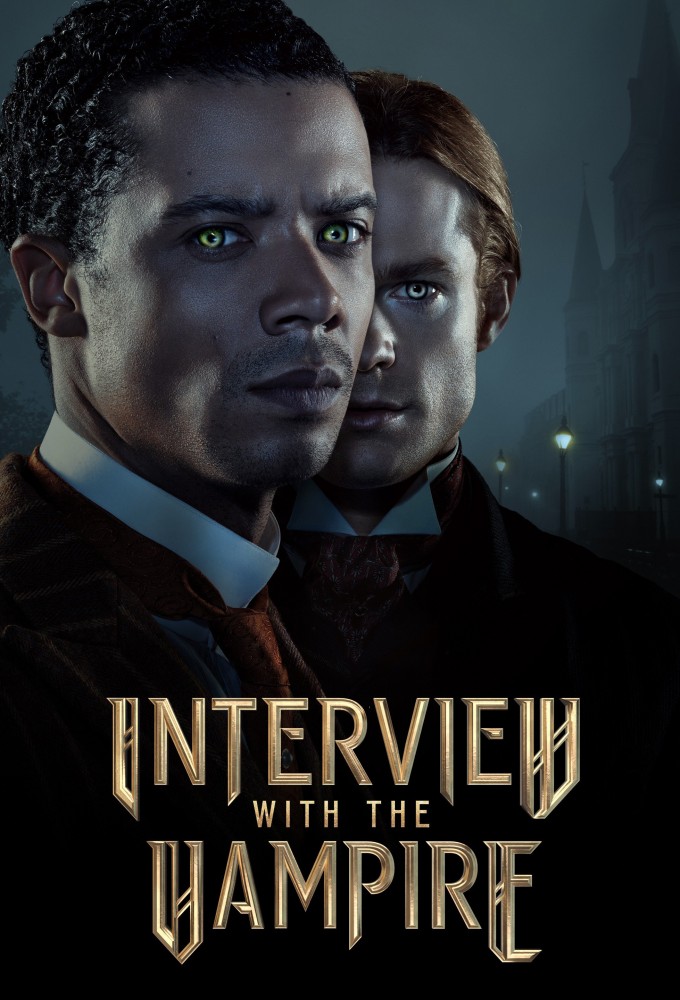
If you liked Dracula (2020):




Technical Details
- Network: BBC One
- Seasons: 1
- Years: 2020 - 2020
- Genre: Drama, Horror, Mini-Series
- Rating: TV-MA