
Why Watch
"Hilariously slurred narrations meet stellar celebrity reenactments, transforming forgotten historical events into riotous, unforgettable comedy masterclasses."










AI Critic Analysis
Series Deep Dive:
Created by Derek Waters, Drunk History revolutionized educational comedy by pairing inebriated storytellers with lip-syncing A-list actors. Across its run, the series turned dry textbook accounts into wildly animated reenactments. The production values and committed performances elevated raw drunken banter into sharp satire, offering genuine historical insight wrapped in pure absurdity. Its legacy endures as a pinnacle of sketch format ingenuity.
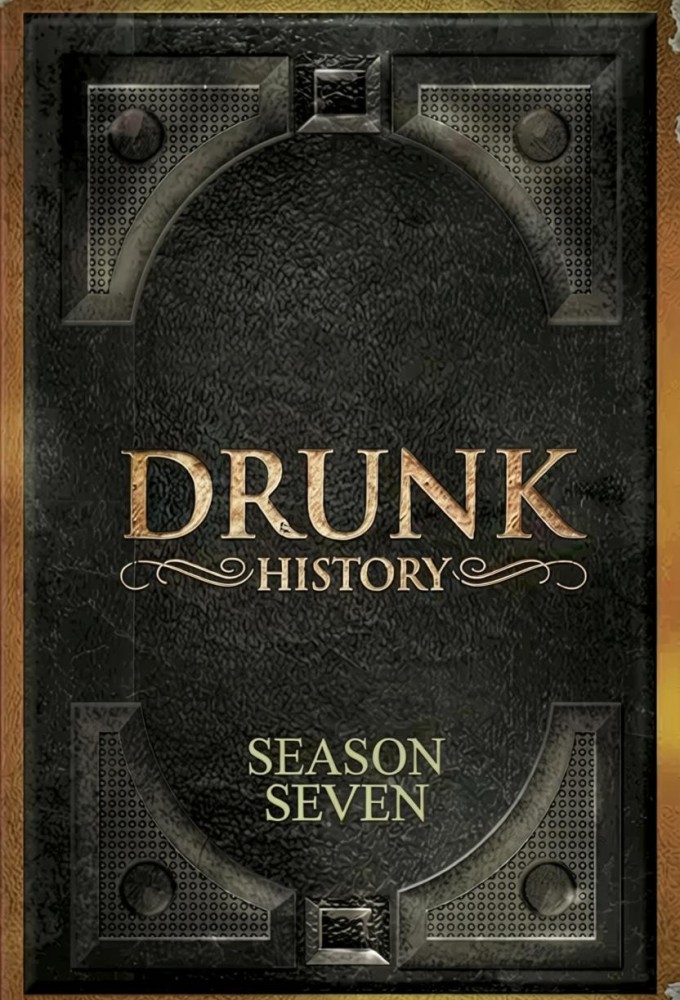
Season: 7
| Watched? | # | Air Date | Episode Name |
|---|---|---|---|
| E1 | Sep 15, 2026 | Madonna Breaks Out at the VMAs feat. Meghan Trainor | |
| E2 | Sep 29, 2026 | FDRs Labor Secretary Frances Perkins featuring Mae Whitman | |
| E3 | Oct 06, 2026 | The Biggest Ball of Twine w Patton Oswalt |
Series Legacy & Historical Archive
Franchise Status: Concluded
Drunk History remains a definitive pillar of educational comedy television, having concluded its influential run on Comedy Central. Born from a viral web series, Derek Waters and Jeremy Konner transitioned the concept into a multi-season phenomenon that humanized historical figures through the lens of slurred speech and comedic reenactment. The show’s cultural DNA lies in its ability to democratize history, stripping away the dry academic veneer to reveal the absurdity and passion behind pivotal moments. By pairing intoxicated narrators with A-list actors performing verbatim lip-syncs, it created a unique visual language that influenced a generation of digital content creators and television satire.
The series remains a rewatch staple because it balances genuine historical research with unpredictable physical comedy. Fans return to the show not just for the humor, but for the surprisingly poignant storytelling that often highlighted marginalized figures frequently ignored by traditional textbooks. Its legacy is found in how it transformed the way audiences consume educational content, proving that the most effective way to teach a lesson is often through the messy, unpolished medium of a late-night conversation.
If you liked Drunk History:








Technical Details
- Network: YouTube
- Seasons: 7
- Years: 2013 - 2026
- Genre: Comedy, History
- Rating: TV-14