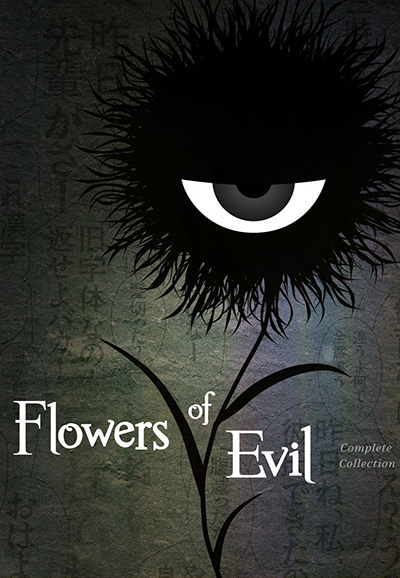
Flowers of Evil
-

-
Status:
Ended -
Season 1:
Ended on June 29, 2013 -
Watched: 0%
0 of 13 Episodes
I'm caught up!
Season: 1
| # | Air Date | Episode Name | Watched? |
|---|---|---|---|
| E1 | Apr 05, 2013 | ||
| E2 | Apr 12, 2013 | ||
| E3 | Apr 19, 2013 | ||
| E4 | Apr 26, 2013 | ||
| E5 | May 04, 2013 | ||
| E6 | May 11, 2013 | ||
| E7 | May 18, 2013 | ||
| E8 | May 25, 2013 | ||
| E9 | Jun 01, 2013 | ||
| E10 | Jun 08, 2013 | ||
| E11 | Jun 15, 2013 | ||
| E12 | Jun 22, 2013 | ||
| E13 | Jun 29, 2013 |
-
Why Watch:
"Discover why this 2013 experiment remains the most debated aesthetic choice in anime history."Series Analysis:
The 2013 adaptation of Flowers of Evil remains one of the most daring experiments in television history. By utilizing rotoscoping, director Hiroshi Nagahama challenged the aesthetic standards of the medium. While initially polarizing, its legacy lies in its refusal to offer comfort. It captures the suffocating nature of adolescent guilt and the desire to escape social conformity. The show’s cultural footprint is defined by its eerie realism, forcing audiences to confront the raw darkness of the human psyche without the buffer of traditional styling. Today, it stands as a landmark of psychological storytelling that prioritizes emotional honesty over visual appeal. Its influence persists in how creators explore suburban isolation. Set a reminder for news; this divisive masterpiece is always due for a potential revival.Tone: Academic, Somber, and Analytical Last Updated: March 2026
-
Network:
Animax -
Seasons:
1 -
Years:
2013 - 2013 -
Genre:
Drama, Animation, Thriller, Anime, Romance -
Rating:
TV-MA
