Free Nelson Mandela
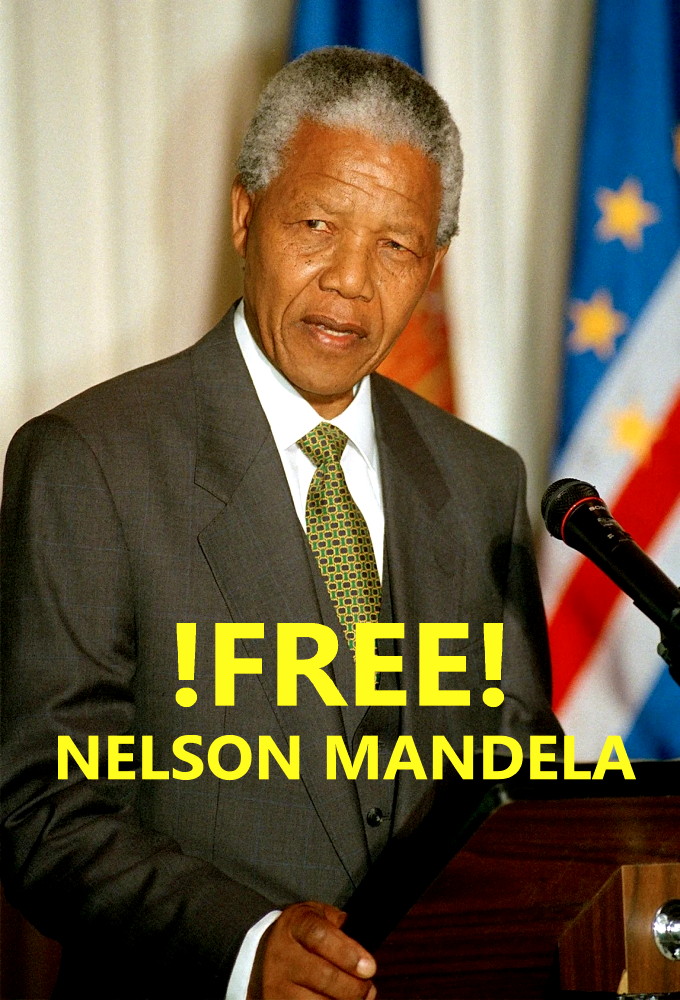
-

-
Status:
Continuing -
Season 1:
Ended on June 28, 2026 -
Watched: 0%
0 of 3 Episodes
I'm caught up!
Notification Preferences
Why Watch
"A definitive look at how a star-studded concert became the catalyst for global political change and Nelson Mandela's eventual release."
AI Critic Analysis
Series Deep Dive:
Channel 4 delivers a rigorous examination of the 1988 Wembley stadium concert, a pivotal moment where pop culture and global activism collided. This series moves beyond mere nostalgia, dissecting the political pressure cooker of the late eighties and the strategic brilliance behind the anti-apartheid movement’s media presence. By blending rare archival footage with contemporary reflections, the production highlights the sheer scale of the mobilization efforts required to challenge a regime. It serves as a sharp analysis of the influence held by collective voices when focused on a singular, moral objective. As the television landscape awaits word on further historical deep dives from this creative team, viewers should track Season 1 to appreciate how a single event reshaped international diplomacy.
Season: 1
| Watched? | # | Air Date | Episode Name |
|---|---|---|---|
| E1 | Jun 14, 2026 | White Supremacy | |
| E2 | Jun 21, 2026 | Free Nelson Mandela | |
| E3 | Jun 28, 2026 | The Whole World Is Watching |
Production Note - Limited Series
Production Type: Limited Series
Free Nelson Mandela is a standalone Limited Series designed as an active, finite historical narrative. This production captures the monumental global effort and political pressure that mounted during Nelson Mandela's twenty-seven year imprisonment. By focusing on the specific timeline of the international movement and the internal struggles within the African National Congress, the series is structured as a definitive exploration of a specific historical era rather than an ongoing procedural or multi-season drama.
The scale of the production involves meticulous period recreation across multiple continents to illustrate how the anti-apartheid message resonated from London to Johannesburg. Because the story is rooted in the finite timeline of Mandela's incarceration and eventual release in 1990, the narrative architecture is inherently self-contained. The production aims to provide a comprehensive conclusion that aligns with the historical record of South Africa's transition to democracy, ensuring the series remains a focused historical document.


