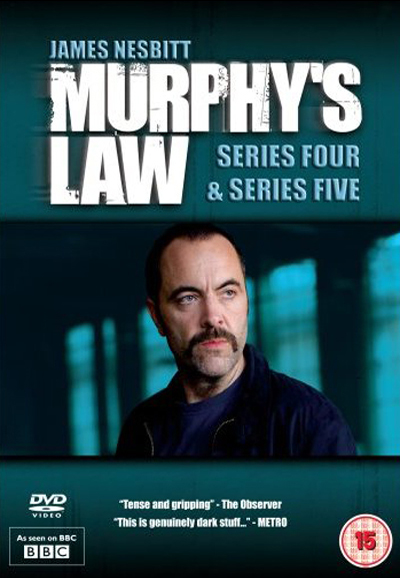

Why Watch
"James Nesbitt commands the screen in this relentless, morally complex British crime drama packed with lethal undercover stakes."









AI Critic Analysis
Series Deep Dive:
Anchored by a career-defining performance from James Nesbitt, Murphy's Law shifts dramatically from early procedural charms into a bruising, serialized psychological thriller by its final run. As undercover detective Tommy Murphy descends into London's brutal criminal underworld, the lines between duty and self-destruction shatter completely. BBC One delivered an uncompromising, tense British noir that explores the devastating human cost of deception across its riveting concluding chapter.
Season: 5
| Watched? | # | Air Date | Episode Name |
|---|---|---|---|
| E1 | Oct 01, 2007 | Food Chain, Episode One | |
| E2 | Oct 02, 2007 | Food Chain, Episode Two | |
| E3 | Oct 03, 2007 | Food Chain, Episode Three |
Series Legacy & Historical Archive
Franchise Status: The series remains a standalone legacy property with no current plans for a revival or spin-off, though it is frequently cited in retrospectives of James Nesbitt's career.
Murphy's Law (2001) remains a definitive pillar of crime drama television, having concluded its influential run on BBC. The series carved out a unique space in the crowded police procedural market by focusing on the psychological toll of deep-cover operations and the moral ambiguity inherent in modern law enforcement. James Nesbitt's portrayal of Tommy Murphy provided a gritty, human anchor that elevated the storytelling beyond standard tropes, ensuring the show was recognized for its intense character studies and dark, atmospheric tension.
Today the show is considered a rewatch staple because it bridges the gap between the traditional episodic formats of the nineties and the serialized prestige dramas of the modern era. Its legacy is found in the DNA of contemporary undercover thrillers that prioritize emotional consequences over simple action beats. Fans return to the series for its uncompromising portrayal of a man living on the edge, a narrative choice that remains as compelling and relevant now as it was during its initial broadcast.
If you liked Murphy's Law (2001):


Technical Details
- Network: BBC One
- Seasons: 5
- Years: 2001 - 2007
- Genre: Crime, Drama, Mystery