
Why Watch
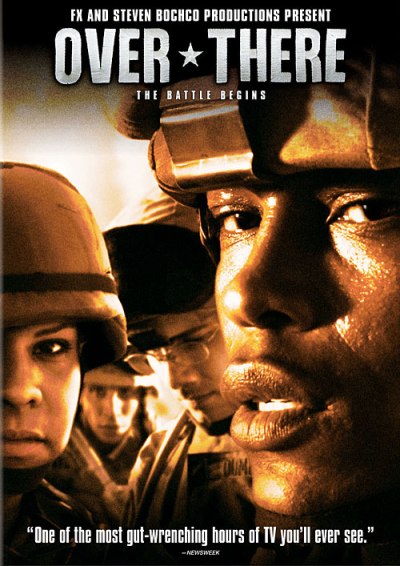
"Experience Steven Bochco's groundbreaking, raw look at modern combat and the emotional toll soldiers endure on active deployment."




AI Critic Analysis
Series Deep Dive:
Created by Steven Bochco and Chris Gerolmo, Over There marked television history by dramatizing the Iraq War while the conflict actively unfolded. FX delivered a stark, controversial perspective by alternating between front-line combat chaos and the domestic struggles faced by families back home. Driven by intense performances and uncompromising staging, this groundbreaking series remains a raw, historically significant milestone in military television drama.
Season: 1
| Watched? | # | Air Date | Episode Name |
|---|---|---|---|
| E1 | Nov 13, 2005 | Pilot | |
| E2 | Nov 20, 2005 | Road Block Duty | |
| E3 | Nov 27, 2005 | The Prisoner | |
| E4 | Dec 04, 2005 | I Want My Toilets | |
| E5 | Dec 11, 2005 | Embedded | |
| E6 | Dec 18, 2005 | It's Alright, Ma, I'm Only Bleeding | |
| E7 | Jan 01, 2006 | Mission Accomplished | |
| E8 | Jan 08, 2006 | Situation Normal | |
| E9 | Jan 15, 2006 | Spoils of War | |
| E10 | Jan 22, 2006 | Suicide Rain | |
| E11 | Jan 29, 2006 | Orphans | |
| E12 | Feb 05, 2006 | Weapons of Mass Destruction | |
| E13 | Feb 12, 2006 | Follow the Money |
Series Legacy & Historical Archive
Franchise Status: The series remains a standalone limited production with no current plans for a revival or spin-off series.
Over There remains a definitive pillar of War Drama television, having concluded its influential run on FX. As the first scripted series to depict an active, ongoing conflict while it was still unfolding in real-time, it broke the traditional barrier between news cycles and narrative entertainment. This bold creative choice established a gritty, visceral DNA that prioritized the psychological and physical toll on individual soldiers over political grandstanding, ensuring its place as a groundbreaking milestone in cable history.
Today, the show remains a rewatch staple because of its uncompromising realism and its focus on the human condition under duress. By examining the domestic fallout alongside the front-line combat, it provided a holistic view of the military experience that few successors have managed to replicate. Its legacy is defined by its refusal to sanitize the complexities of modern warfare, making it a timeless reference point for viewers seeking a raw and authentic portrayal of the early 21st-century soldier.
If you liked Over There:




Technical Details
- Network: FX
- Seasons: 1
- Years: 2005 - 2006
- Genre: Action, Drama, Mini-Series, War
- Rating: TV-MA