
Why Watch
"Experience heartfelt transformations that blend lifestyle coaching, emotional vulnerability, and genuine human connection across every community."
Tone: Uplifting, Empathetic, Vibrant Lifestyle


AI Critic Analysis
Series Deep Dive:
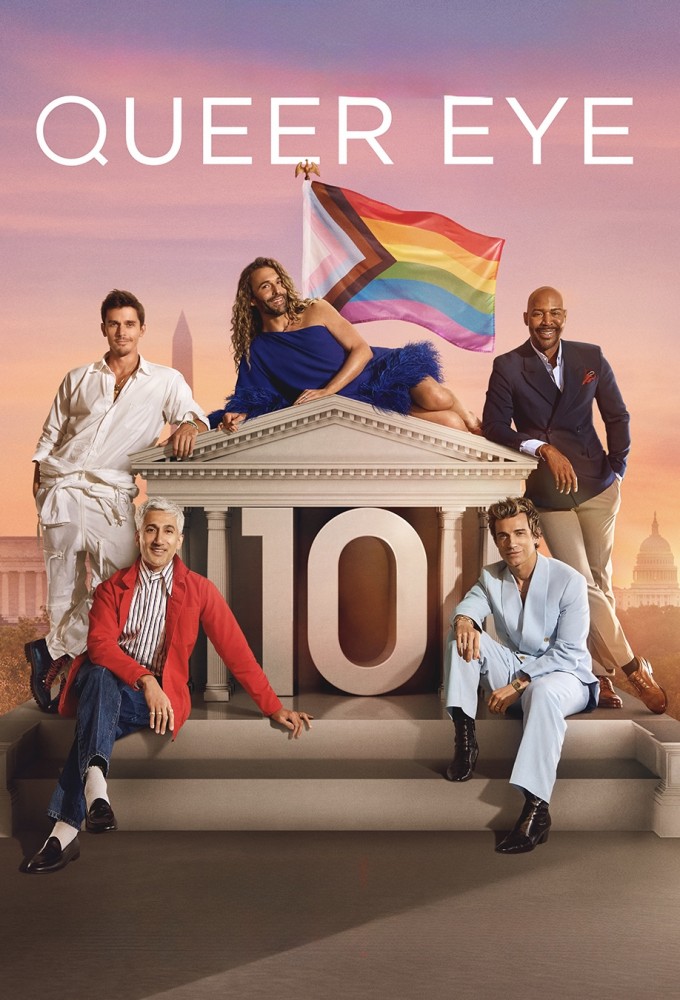
Netflix's landmark unscripted phenomenon reaches its definitive milestone with Queer Eye Season 10. The beloved Fab Five deliver their signature blend of compassion, style, and empathetic redesigns to revitalize deserving individuals. Blending tears with practical wisdom, the finished series stands as an enduring cultural touchstone for personal reinvention. Critics consistently celebrate its open-hearted emotional intelligence and unwavering focus on everyday heroes finding renewed confidence.
Analysis Refined:March 2026
Scheduled next refinement: in 348 days
Season: 10
| Watched? | # | Air Date | Episode Name |
|---|---|---|---|
| E1 | Jan 21, 2026 | Sister, You Are Welcome Here | |
| E2 | Jan 21, 2026 | Back to School Burnout | |
| E3 | Jan 21, 2026 | Coming In Hot | |
| E4 | Jan 21, 2026 | Queer Eye-Eye, Captain | |
| E5 | Jan 21, 2026 | Finding Father |
Series Legacy & Historical Archive
Franchise Status: Active flagship series with ongoing international spin-offs (Germany, Brazil) and upcoming seasons.
Queer Eye remains a definitive pillar of television, having concluded its influential run on Netflix. The groundbreaking reboot transformed traditional makeover reality tropes into emotionally resonant cultural dialogues. Anchored by the charismatic Fab Five, the series prioritized radical empathy, mental health, and vulnerable self-acceptance over superficial cosmetic fixes. By bridging deep ideological divides across heartland communities, Queer Eye created a compassionate space that redefined modern unscripted entertainment and established an enduring global blueprint for heartfelt, life-affirming transformation.
Oracle Insights Refined:March 2026
Scheduled next refinement: in 483 days
If you liked Queer Eye:



Technical Details
- Network: Netflix
- Seasons: 10
- Years: 2018 - 2026
- Genre: Comedy, Reality
- Rating: TV-14
Frequently Asked Questions
The Netflix reboot of Queer Eye premiered globally on February 7, 2018. Developed as a modern reimagining of Bravo's 2003 series Queer Eye for the Straight Guy, it introduced a new Fab Five consisting of Antoni Porowski, Tan France, Karamo Brown, Bobby Berk, and Jonathan Van Ness.
Across its run, the series produced eight standard seasons along with multiple special miniseries and standalone specials, totaling over 65 episodes. The show expanded its scope beyond standard seasons to film across several U.S. regions and international destinations.
Interior design expert Bobby Berk announced his departure from the series following Season 8, which was filmed in New Orleans. Berk explained that his initial seven-cycle contract had expired and he chose to pursue other personal and design endeavors rather than extend his commitment.
Yes, Netflix renewed Queer Eye for a ninth season set in Las Vegas, officially replacing Bobby Berk with interior designer Jeremiah Brent. The continuation ensured that the core premise carried on with Brent joining the remaining four original hosts.
In addition to the main series, Netflix produced the four-part special Queer Eye: We're in Japan! in 2019 featuring the American cast. Netflix also expanded the franchise globally by commissioning localized independent international spin-offs, including Queer Eye: Germany and Queer Eye: Brazil.
There are no credible reports or active plans for a cinematic tie-in or scripted film adaptation of the series. The franchise remains dedicated to its unscripted reality transformation format under creator David Collins and Scout Productions.
FAQ Refined:March 2026
Scheduled next refinement: in 346 days